Eliam Puente
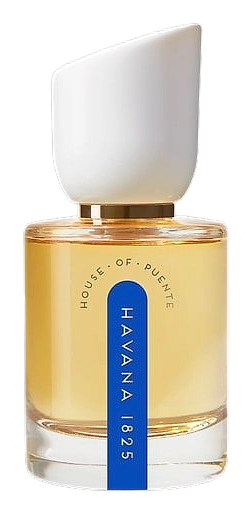
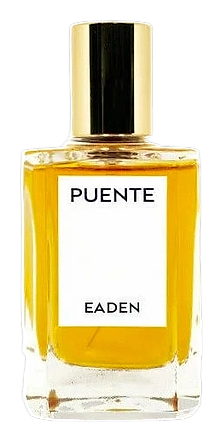
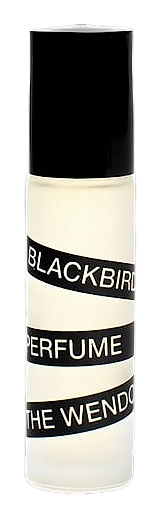
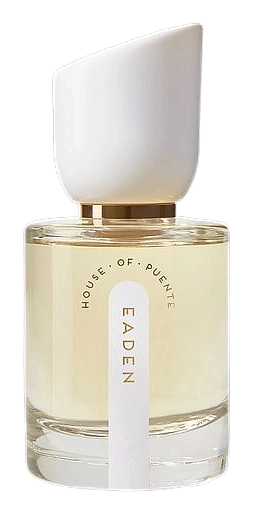
Eliam Puente grew up in a household where paintbrushes and typewriters shared a table. Born in Cuba, raised in the United States, he later settled on the coast of northern Spain, where the sea and citrus groves shape his daily rhythm. After a decade designing graphics for magazines, he turned that visual discipline toward scent. In 2017 he launched House of Puente, a hand‑crafted natural house that blends his painter’s eye with a chemist’s precision. Early releases such as Blackbird and Iroko earned praise in indie circles and secured a spot at the 2020 Medusa award. His background in graphic design informs the way he layers notes, treating each accord as a brushstroke on skin. He writes a weekly column on scent for a cultural magazine, where he earned four Jasmine Awards for prose that captures aroma with vivid metaphor. In 2022 he opened a small laboratory in the historic quarter of San Sebastián, where he experiments with sustainably sourced absolutes and sea‑salt accords. The house now ships to collectors in Europe, North America, and Japan, and its limited editions regularly sell out within weeks.
The hits
Notable creations
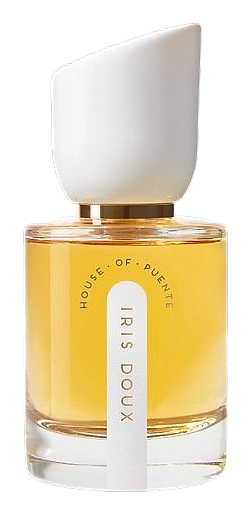
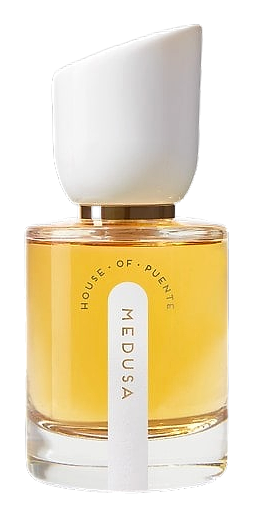
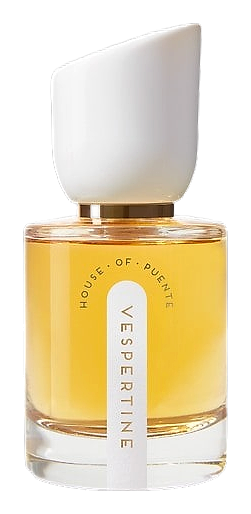
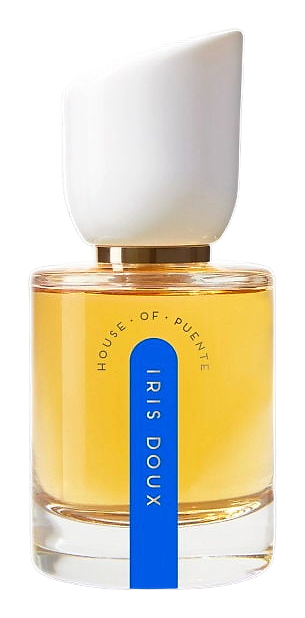
The signature
How Eliam composes
Puente builds his fragrances with a painter’s eye. He begins with a base note that acts as a canvas, then adds middle accords like layers of pigment, finally highlights with volatile top notes that catch the light. He favors natural citrus oils, sea‑salt accords, and resinous woods such as oud and cedar. Maceration in stainless steel vats preserves the integrity of delicate absolutes. He often employs enfleurage to capture fleeting florals, then blends them with sustainably sourced resins to create depth that unfolds over hours.
Philosophy
What drives Eliam
Puente treats scent as a dialogue between memory and place. He pulls the salty breath of the Cantabrian coast, the warmth of Cuban sugarcane, and the quiet of a studio canvas into each formula. Sustainability guides every ingredient choice; he prefers wild‑harvested absolutes that respect the ecosystems that produce them. He writes each brief as a story, then lets the raw material speak, adjusting the composition until the perfume mirrors the feeling he wants to evoke. The result feels honest, tactile, and rooted in his multicultural upbringing.
The houses
Maisons Eliam composes for
In the same league