Christine Arbel
Christine Arbel sits at a curious intersection of beauty entrepreneurship and fragrance heritage. Trained at the helm of some of the industry's most powerful portfolios, she built her reputation not behind a laboratory bench but in the executive suites where Clarisonic, Urban Decay, and It Cosmetics changed hands. She then carried these brands forward alongside storied houses such as Kiehl's, Lancôme, and Armani Beauty, shaping how consumers encounter prestige skincare and cosmetics. Parallel to this corporate chapter runs a quieter, older thread: a French perfume house bearing her name, founded in 1975, built on the principle that quality scent should belong to everyone rather than remain locked behind luxury pricing. Her career reads as a dialogue between boardroom strategy and olfactory craft, a rare combination that keeps her fluent in both the language of brand-building and the art of composition.
The hits
Notable creations
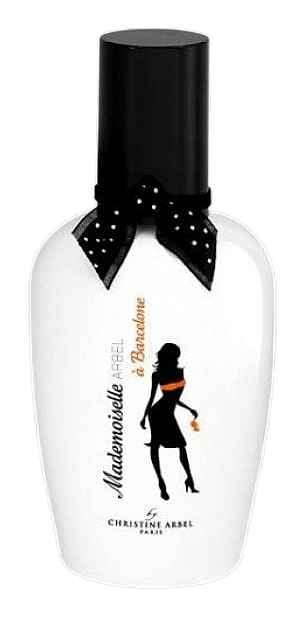
The signature
How Christine composes
Her work favors clarity over spectacle. Compositions from the Christine Arbel house tend to center on straightforward structures that prioritize wearability, with each note given room to register rather than buried under competing accords. The maison produces across men's, women's, and unisex categories, primarily in eau de toilette concentrations, which reinforces the everyday character of the line. Signature choices lean toward clean, familiar raw materials: soft florals, fresh citrus openings, and warm woody or musky drydowns that linger gently on skin. The result is perfumery that aims for honesty, compositions designed to be recognized, remembered, and returned to without ceremony.
Philosophy
What drives Christine
Arbel believes fragrance is democratic territory. Where many houses trade on exclusivity and mystique, she has long insisted that good perfume speaks to a broad audience without diluting its character. Her philosophy treats scent as a daily ritual rather than a rare indulgence, an extension of personal care that deserves the same rigor as skincare. Having steered acquisitions and brand turnarounds, she brings a commercial pragmatism to perfumery, asking not only what a composition means artistically but who will actually reach for it on the shelf. For Arbel, accessibility and ambition are not opposing forces; they are the conditions under which a fragrance can truly live in someone's life.
The houses