Carolina Tognolo
Carolina Tognolo is a perfumer whose public identity is still taking shape. The available record does not yet establish a confirmed career start, formal training, brand affiliation, or a catalogue of released fragrances, so her profile is best understood as a work in progress. In an industry where perfume compositions often outlive their makers in anonymity, her name invites attention to the person rather than the bottle. What is clear is the nature of the craft she practices: balancing sensory instinct with technical knowledge, reading materials in combination, and refining a composition until its character holds together over time. Tognolo occupies a modern generation of perfumers for whom authorship matters. Her story, from here, will be written through the fragrances she creates and the distinct sensibility she brings to them.
The hits
Notable creations
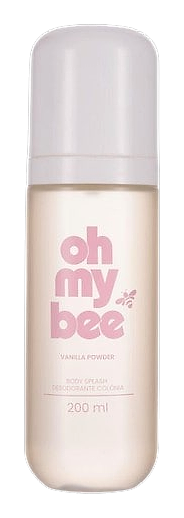
The signature
How Carolina composes
No reliable source available in the research confirms Tognolo’s preferred ingredients, signature techniques, or completed commercial releases. It would therefore be misleading to label her as a floral specialist, a devotee of woods, or the creator of a particular family of scents. The vocabulary of perfumery offers clues to the craft rather than to her individual hand: raw materials may appear transparent or textured, dry or lush, bright or shadowed, while accordions give the composition its architecture. Distinctiveness often comes from the unexpected meeting of facets, an animalic note treated with restraint, a familiar floral made unfamiliar through context, or a clean material given warmth. Until documented releases become available, Tognolo’s style is best judged by the choices she makes in her own compositions, especially where familiar materials are given a personal accent.
Philosophy
What drives Carolina
Tognolo’s creative philosophy cannot be inferred from a documented body of work, and it would be premature to assign her a house style too confidently. Still, her practice belongs to perfumery’s central idea: that a fragrance should communicate an emotion or atmosphere, not merely announce ingredients. That requires both breadth and discipline, the ability to imagine a complete scent and the patience to test how it changes on skin and over hours. A perfumer works with contrasts in temperature, texture, and weight, letting materials support one another rather than compete for attention. Tognolo’s growing profile suggests a future in which her compositions may reveal a personal signature. For now, the honest measure of her work will be what she chooses to build, what she removes, and how distinctly the finished fragrance speaks.
The houses