Belinda Cook
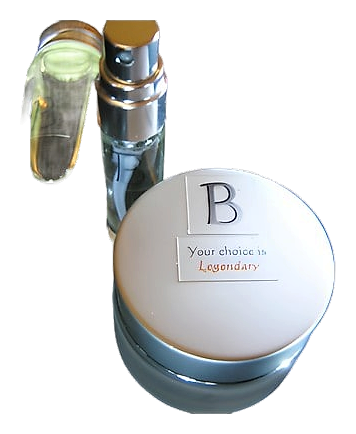
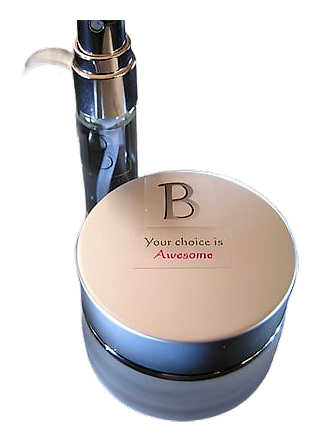
Belinda Cook occupies a less commonly charted corner of perfumery: bottle designer and fragrance creator. The available record identifies her by design talent and an instinct for the expressive role a vessel plays in presenting scent, but offers no confirmed formal training, early career, or breakthrough composition. Her profile remains deliberately spare, with no linked house, named fragrance, or dated body of work to establish a conventional path into the industry. That uncertainty gives her work a certain rarity. Rather than tracing a polished résumé, one sees a creative identity defined by the meeting of object and fragrance, where the bottle does more than contain the perfume and helps establish its character before the first spray. Cook’s distinctiveness lies in this dual perspective, placing equal attention to how a scent is imagined and how it is made physically memorable.
The hits
Notable creations
The signature
How Belinda composes
No verified list of Cook’s formulas or ingredient choices is available, so a precise account of her signature materials cannot be established. Her clearest signature is conceptual rather than technical: the careful use of bottle design as an extension of scent. That instinct favors coherence, proportion, and recognition, pairing a fragrance with a vessel capable of communicating its mood without distracting from it. Her approach also sits apart from the perfume-creation profiles built around accords, raw materials, and house signatures. Cook’s contribution begins one step earlier, at the point where a scent acquires a physical identity. The result is an emphasis on restraint and visual persuasion, making the bottle part of the perfumery rather than an afterthought.
Philosophy
What drives Belinda
Cook’s philosophy appears to rest on the close relationship between a fragrance and its presentation. A bottle is not merely packaging applied after the formula is complete; it is part of the fragrance’s first impression, giving shape, character, and a visual register to the scent inside. This perspective suggests a thoughtful approach to composition in which clarity of idea matters as much as technical execution. The limited public record leaves her personal influences and exact creative process unstated, so claims about preferred materials, aromatic families, or a fixed method would be speculative. What can be said is that Cook understands perfume as a total encounter: the fragrance, the object that holds it, and the expectations each creates in the wearer.
The houses
Maisons Belinda composes for
In the same league