Auguste Michel
Auguste Michel was a French perfumer who built his career in Moscow, emerging alongside the legendary Ernest Beaux as two of the most significant French noses working in Russia during the early twentieth century. While Beaux would go on to create Chanel No 5, Michel established his own reputation crafting fragrances for the Russian market. The 1917 Revolution proved a turning point: Beaux returned to France, but Michel stayed, moving to Brocard, the storied Russian perfume house. He continued working there through the tumultuous post-revolutionary period, later connecting with Novaya Zarya. His trajectory reveals a man deeply committed to his craft over national borders or political upheaval, choosing to remain in Russia when so many of his peers fled.
The hits
Notable creations

The signature
How Auguste composes
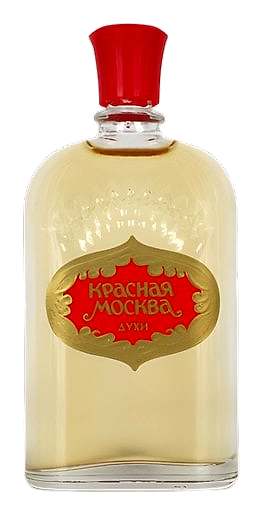
Red Moscow, his most documented creation from 1925, suggests a perfumer comfortable with bold, distinctive compositions. The fragrance's name and its historical context point toward rich, memorable work rather than subtlety. Michel's Russian period placed him in proximity to heavy florals, animalic notes, and the opulent aesthetic that characterized Russian fragrance preferences at the time. His French training provided the structural discipline to execute such ambitious formulas.
Philosophy
What drives Auguste
Michel operated in an era when perfumers working in Russia had access to extraordinary raw materials and a sophisticated clientele with distinct preferences. His approach balanced French technique with Russian sensibility, creating scents that resonated with local tastes while maintaining Western craftsmanship. The circumstances of working through revolution and displacement likely shaped a pragmatic, resilient creative philosophy centered on adaptability and the persistence of art regardless of political climate.
The houses