Ariane Inden
Ariane Inden appears to be an independent perfumer whose public profile remains closely guarded. The available record does not establish a formal education, early career, company affiliation, or a breakthrough fragrance, and it would be tempting to fill those gaps with invention. What can be said is that her name occupies an intriguing point in contemporary perfumery: a maker whose identity has not yet been fully surrounded by the language of awards, press releases, and brand lore. For Silloria, she is less a familiar household name than a subject to watch. Her biography invites the particular attention given to perfumers who work on their own terms, with their authorship still taking shape. Until more concrete details emerge, her profile is best read as a work in progress rather than a finished legend.
The hits
Notable creations
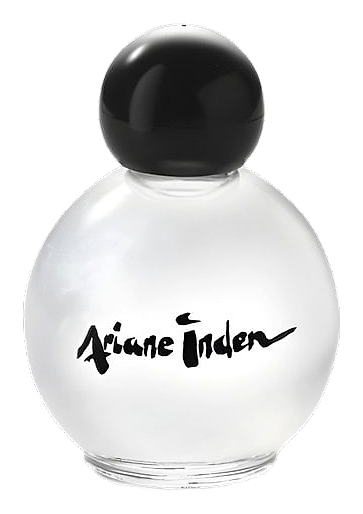
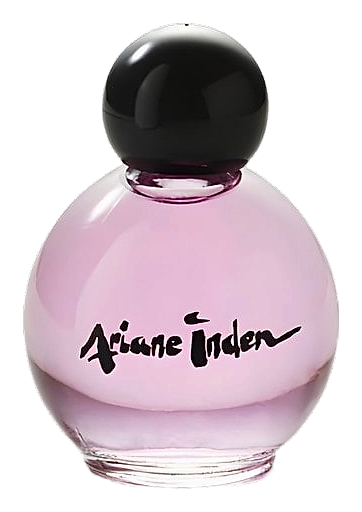
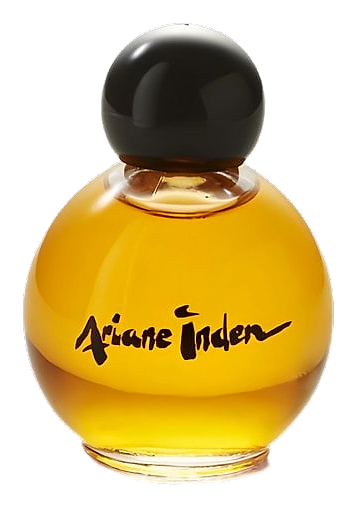
The signature
How Ariane composes
No signature technique or preferred ingredient can be confirmed for Ariane Inden from the supplied material. It would be inaccurate to assign her a familiar palette, whether woods, florals, resins, or musks, without evidence from an actual composition. The most responsible description is therefore provisional: her style remains an open question. In a fragrance review, the decisive measures will be structure, material quality, and the scent’s behavior over time, especially the transition from brightness to softness on skin. For an independent perfumer, those details often reveal more than a personal manifesto. Until a fragrance can be examined closely, Inden’s technique remains undiscovered rather than merely undefined.
Philosophy
What drives Ariane
Without verified statements from Ariane Inden, her creative philosophy cannot be presented as fact. Still, the sparse public record suggests a preference for privacy over self-promotion, and that restraint itself offers a useful point of entry. Independent perfumery often depends on close attention: to materials, proportion, memory, and the particular way a scent changes on skin. Those ideas belong to the wider culture of modern fragrance craft rather than to Inden specifically. Her work would be best judged by the quality of its accords, its control, and its ability to leave a distinct impression without relying on decorative storytelling. Any fuller account should wait for direct testimony or a reliable biography.
The houses