April Lea
April Lea did not arrive at perfumery through a chemistry degree or a prestigious apprenticeship. She arrived through soap. About nine years ago, she began making small handmade botanical body care products, a quiet origin rooted in the do-it-yourself counterculture that would come to define her practice. From those early formulations grew LVNEA, her natural perfume house, where she now works as founder, perfumer, and self-described magic maker. A multidisciplinary artist at heart, April splits her time between the perfumer's organ and the garden, which she considers her second studio. Her reading reflects her work: fiction, folklore, botany, and history form the library that feeds her compositions. She creates dark, complex, and unisex liquid and solid perfumes, drawing exclusively from natural materials and plant essences. Her path from handcrafted soap maker to indie perfumer represents a growing wave of artisans who build brands from craft traditions rather than corporate training grounds.
The hits
Notable creations
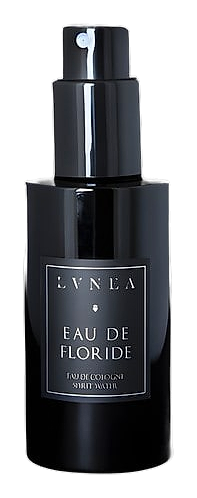
The signature
How April composes
April Lea works exclusively with natural materials and plant essences, building compositions described as dark, complex, and unisex. Her output includes both liquid and solid formats, an unusual flexibility that speaks to her beginnings in handmade body care. Botanical knowledge runs deep in her work, drawn from direct experience with raw materials rather than synthetic approximations. Her fragrances tend toward the atmospheric and mysterious, favoring depth over brightness. The solid perfume format, often overlooked by mainstream houses, appears central to her catalog. Each creation reflects the patience of someone who started by making soap and learned to listen to plants along the way.
Philosophy
What drives April
April Lea approaches perfumery as a multidisciplinary art form, one that begins in the soil and ends on the skin. She creates exclusively from natural materials and plant essences, a commitment that shapes every decision in her studio. Folklore, history, and botany inform her work as much as any aromatic raw material. The garden serves as her second studio, a living apothecary where ideas germinate before becoming scent. Her creative practice stays rooted in the handmade tradition, a deliberate counterpoint to industrial perfumery. She views each perfume as something quietly magical, a collaboration between plant, maker, and wearer.
The houses
Maisons April composes for
In the same league