Anna Semjonova
Anna Semjonova has built her career at a quieter register, shaping compositions for the niche Russian house Ladanika rather than chasing the spotlight of mainstream launches. Her most recognized work, Kazachiy Don, signals a perfumer drawn to stories of place and heritage rather than trend-driven florals. Operating from the intersection of Eastern European perfumery traditions and contemporary niche aesthetics, Semjonova approaches composition as cultural translation, turning regional motifs into wearable scent. Her collaboration with Ladanika places her within a house known for honoring Russian material culture and botanical heritage, a context that has clearly shaped her sensibility. Though relatively understated on global industry radar, her contributions reflect a deliberate, self-possessed creative path, one rooted in patience, specificity, and a refusal to dilute regional character for broader commercial appeal.
The hits
Notable creations
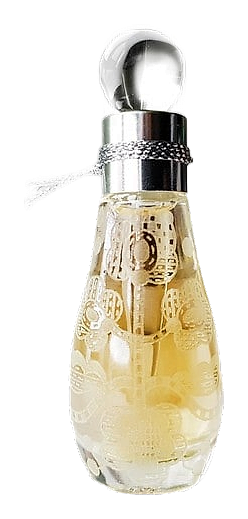
The signature
How Anna composes
Semjonova's hand reveals itself through weighted, atmospheric compositions anchored in resinous and herbal materials. Ladanum, frankincense, smoky tobacco, and hay-like herbs appear to be recurring anchors in her palette, materials that lend depth and a contemplative gravity to her work. She favors structures that build slowly, allowing darker base notes to assert themselves rather than chasing radiant openings. Leather accords, coumarin-warm spices, and restrained floral touches round out her approach. The result is a style marked by substance over brightness, compositions that feel weathered, lived-in, and quietly complex rather than immediately charming.
Philosophy
What drives Anna
Semjonova's creative compass points toward authenticity of origin. She gravitates to compositions that carry a sense of place, letting raw materials speak through the language of their landscape rather than forcing them into conventional structures. For her, fragrance functions less as decoration and more as cultural record, a way to preserve particular qualities of land, ritual, and memory in bottle form. She resists abstraction for its own sake, preferring compositions where each note earns its presence and contributes to a coherent narrative. This grounding in specificity gives her work a recognizable honesty, an absence of the gloss that often flattens lesser commercial releases.
The houses
Maisons Anna composes for
In the same league