Abderrazzak Benchaâbane
Born in Marrakech in 1959, Abderrazak Benchaâbane built his sensitivity to scent in the flower gardens and fields of his uncles’ farm. That early intimacy with plants later expanded into a career spanning perfumery, ethnobotany, garden design, photography, writing, and teaching. He became known as the “Master Nose of the Majorelle,” developing fragrances for the Majorelle perfume house while tending to its iconic Jardin Majorelle. Quiet and soft-spoken, Benchaâbane approaches perfumery as a botanical practice rather than a purely commercial one. His work connects Moroccan plants, cultivated landscapes, and the memory of gardens to compositions marked by naturalness, refinement, and a sense of place.
The hits
Notable creations
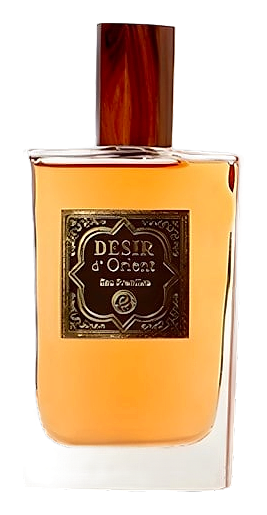
The signature
How Abderrazzak composes
Benchaâbane’s perfumery favors vivid plant accords, transparent florals, aromatic freshness, and the dry, sunlit character often associated with Mediterranean and Moroccan gardens. His compositions draw on both raw natural materials and carefully judged accords, with texture playing a central role. A rose may open with brightness before settling into a darker floral heart, while herbs, citrus, woods, and resins provide structure and depth. His background in garden design gives his work a disciplined sense of balance: each note appears to have a place, much as each plant occupies a defined role within a garden. The result is poised rather than showy, with natural presence and subtle tension.
Philosophy
What drives Abderrazzak
Benchaâbane believes a fragrance should possess the clarity and concentration of a diamond: compact, polished, and memorable from the first impression. His inspiration begins in the garden, where observing plants in their environment gives him more than an aromatic profile. He values the living context of each material, including its season, habitat, and relationship with other species. As a plant ecologist and garden designer, he brings a gardener’s patience to composition, selecting ingredients that preserve the character of natural materials rather than overwhelming them. Teaching and sharing botanical knowledge sit beside his creative work, reflecting a conviction that fragrance grows from close attention to nature.
The houses