Moroccan petitgrain
Moroccan petitgrain is steam-distilled from the leaves and branches of the bitter orange tree, offering a fresh, herbaceous scent with North African terroir. This classic perfumery ingredient has been prized since the 18th century.
Character
How it smells
Green, fresh, and herbaceous with North African character
The name petitgrain translates to little grain in French, referring to the small unripe bitter oranges originally used in production.




Origin
Morocco
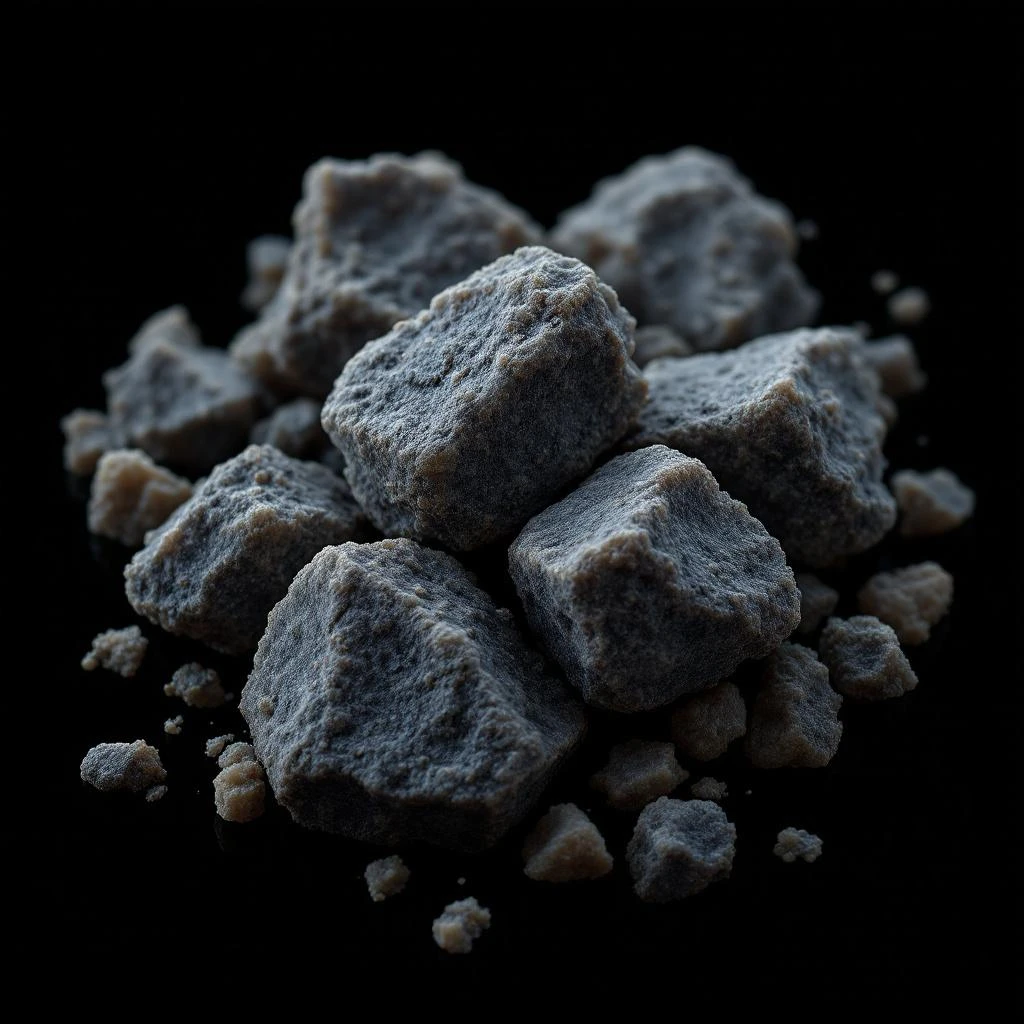
The bitter orange tree has grown across Morocco for centuries, carried westward by Arab traders who established groves throughout North Africa. Local perfumers recognized the aromatic potential of the leaves and twigs, developing small-scale distillation operations that positioned Morocco among the earliest producers of petitgrain oil.
By the 18th century, European perfumers began incorporating petitgrain into their formulations as an affordable complement to expensive neroli from orange blossoms. Morocco maintained its role as a regional production center while France, Italy, and Paraguay scaled up commercial operations.
Today, Moroccan producers continue traditional methods while competing on quality in the global essential oil market. The bitter orange tree remains culturally significant in Morocco, featured in gardens and pharmacological traditions alongside its commercial applications in perfumery.
Wears it best
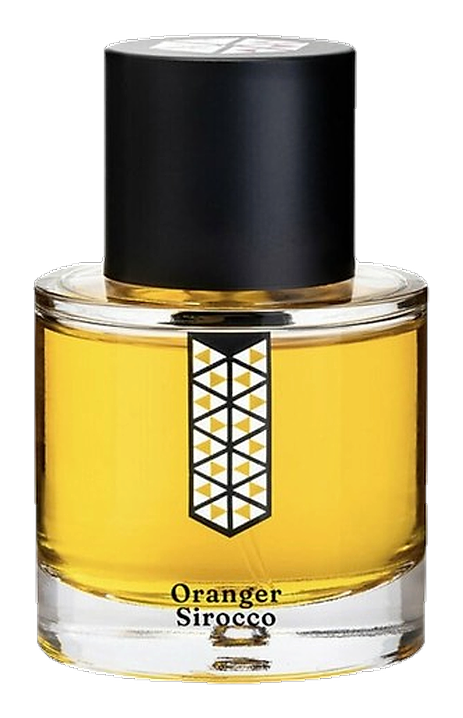
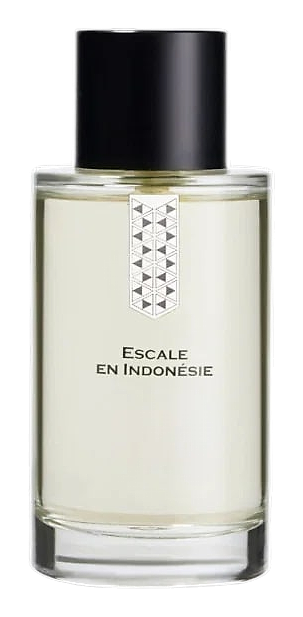
Fragrances featuring Moroccan petitgrain
Brands
Brands known for Moroccan petitgrain
Good to know
Questions, answered
The essentials on Moroccan petitgrain in perfumery: how it smells, where it comes from, and how it behaves on skin.
What does Moroccan petitgrain smell like?
Moroccan petitgrain offers a fresh, citrusy aroma with green herbaceous notes and subtle woody undertones. The North African terroir contributes earthy complexity not found in European or South American varieties. Expect sharp, uplifting top notes followed by a more rounded, slightly bitter drydown.
How is petitgrain oil extracted?
Steam distillation extracts petitgrain oil from bitter orange tree leaves and branches. Hot steam passes through chopped vegetative material, rupturing oil glands and carrying volatile compounds into condensation coils. The resulting oil separates from the water phase and collects as a clear, aromatic liquid with a yield of roughly 0.5 to 1 percent from plant material.
What is the difference between petitgrain and other citrus notes?
Unlike citrus oils from fruit peels, petitgrain comes from leaves and twigs, giving it a greener, more herbaceous character. It lacks the bright sweetness of bergamot or lemon but offers greater aromatic complexity with woody, slightly bitter tones. It functions as both a top note and a bridge between citrus and herbal fragrance families.
When did petitgrain first appear in perfumery?
Petitgrain has been used in perfumery since at least the 18th century. Originally produced in Paraguay, the ingredient gained popularity in European perfumery during this period as perfumers sought fresh, uplifting alternatives to expensive floral absolutes. Morocco emerged as a significant regional producer during this era.
What fragrances typically use Moroccan petitgrain?
Perfumers use Moroccan petitgrain across multiple fragrance types, from classic colognes to modern woody compositions. It pairs well with bergamot, neroli, lavender, and cedarwood. The ingredient appears in both masculine and feminine fragrances as a freshness agent and aromatic heart note, contributing structure to citrus-forward and fougere formulations.
Why choose Moroccan petitgrain specifically?
Morocco's specific growing conditions produce petitgrain with distinctive aromatic markers tied to soil composition, altitude, and microclimate. Regional variations are measurable through gas chromatography, revealing how geographic factors shape the final scent profile. Modern analysis techniques now document these terroir-driven differences systematically.
How much plant material is needed to produce petitgrain oil?
Steam distillation requires approximately 15 to 20 kilograms of leaves and branches to produce one kilogram of essential oil. The leaves and twigs contain lower oil concentrations than fruit peels, making the process relatively inefficient by weight. This constraint explains the moderate pricing of quality petitgrain oil compared to more productive citrus expressions.
What is the cultural significance of bitter orange in Morocco?
The bitter orange tree has grown across Morocco for centuries, carried westward by Arab traders who established groves throughout North Africa. Beyond perfumery, traditional Moroccan medicine utilized bitter orange preparations for digestive and nervous system support. The trees remain prominent in Moroccan gardens and hold cultural importance alongside their commercial applications.