Airy Pink Freesia
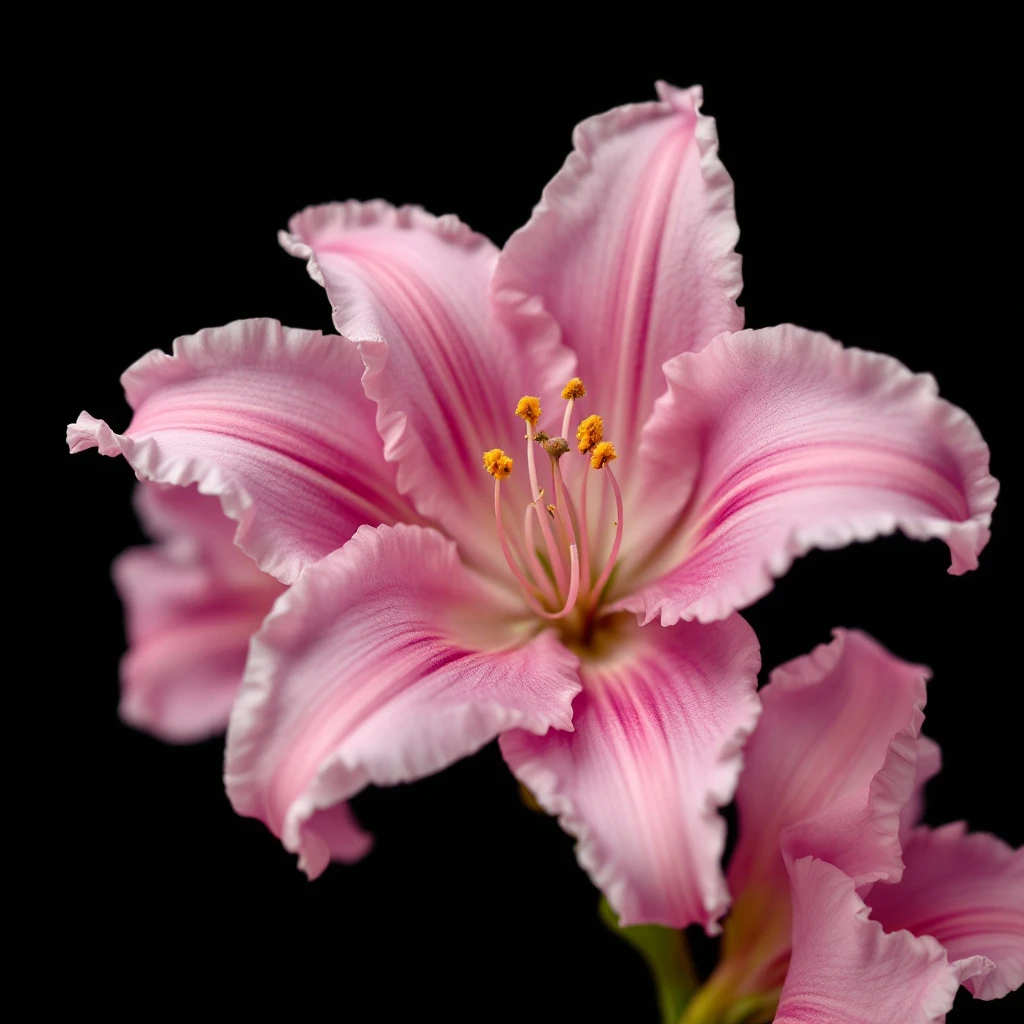
Airy Pink Freesia brings a translucent, optimistic quality to fragrance compositions. Its scent evokes early morning light filtering through garden petals, delicate and cool with a quiet radiance that lifts heavier notes without competing.
Character
How it smells
Translucent petals, captured at first light.
Freesia was named after Friedrich Heinrich Theodor Freese, a German physician from Kiel who catalogued South African flora in the 19th century.
Pairs beautifully with

Origin
South Africa
Freesia traces its wild roots to the Cape region of South Africa, where it grew as an overlooked wildflower before European botanists took notice in the early 1800s. Danish botanist Christian Eckon documented the flower in the 19th century, though the German physician Friedrich Heinrich Theodor Freese (1795–1876), a plant collector from Kiel, lent his name to the genus.
European horticulture quickly embraced freesia for its elegant trumpet-shaped blooms and subtle, lingering fragrance. Perfumers adopted the flower later, initially relying on natural enfleurage and solvent extraction, but these methods failed to fully capture its delicate headnote character.
The breakthrough came with synthetic reproduction in the late 20th century, which allowed perfumers to isolate the specific aromatic molecules responsible for freesia's fresh, almost dewy quality. Today, freesia exists almost exclusively in perfumery as a lab-created accord, prized for the lift and transparency it lends to modern compositions.
Wears it best
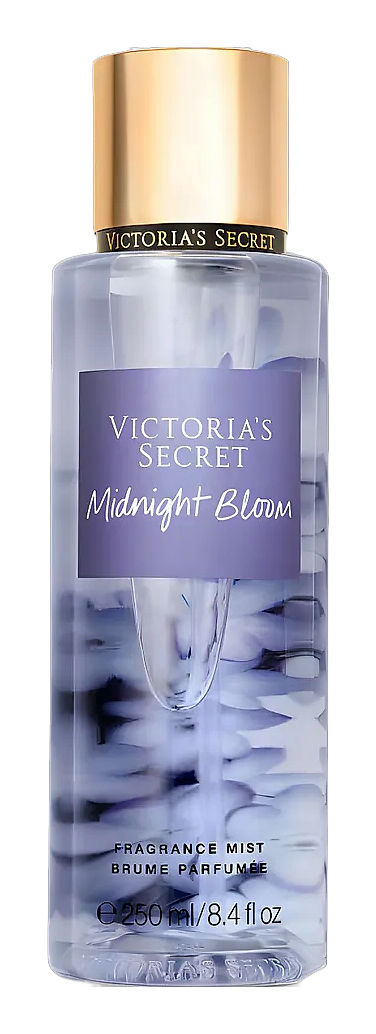
Fragrances featuring Airy Pink Freesia
Brands
Brands known for Airy Pink Freesia
Good to know
Questions, answered
The essentials on Airy Pink Freesia in perfumery: how it smells, where it comes from, and how it behaves on skin.
Is freesia oil extracted from real flowers?
No. Natural freesia extraction produces minimal aromatic material, so perfumers synthesize the scent using aromatic chemicals like linalool to replicate the fresh, dewy character of the bloom.
What does freesia smell like in perfume?
Freesia reads as a crisp, translucent floral with cucumber-like freshness and a soft, slightly sweet finish. It functions as a top-note brightener rather than a dominant heart note.
When did synthetic freesia enter perfumery?
Headspace technology developed in the 1980s allowed chemists to analyze and reproduce freesia's scent profile, making consistent synthetic freesia accords commercially viable from the late 20th century onward.
What fragrances feature freesia prominently?
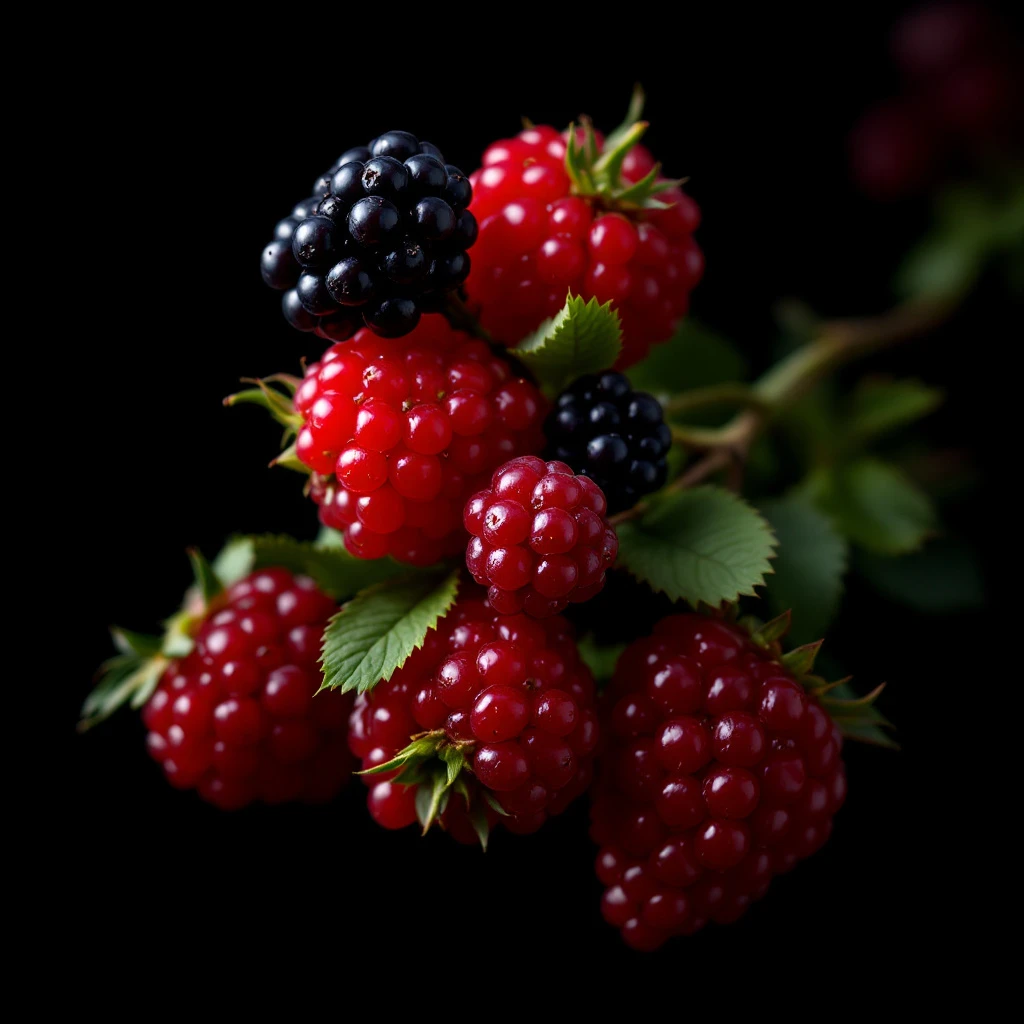
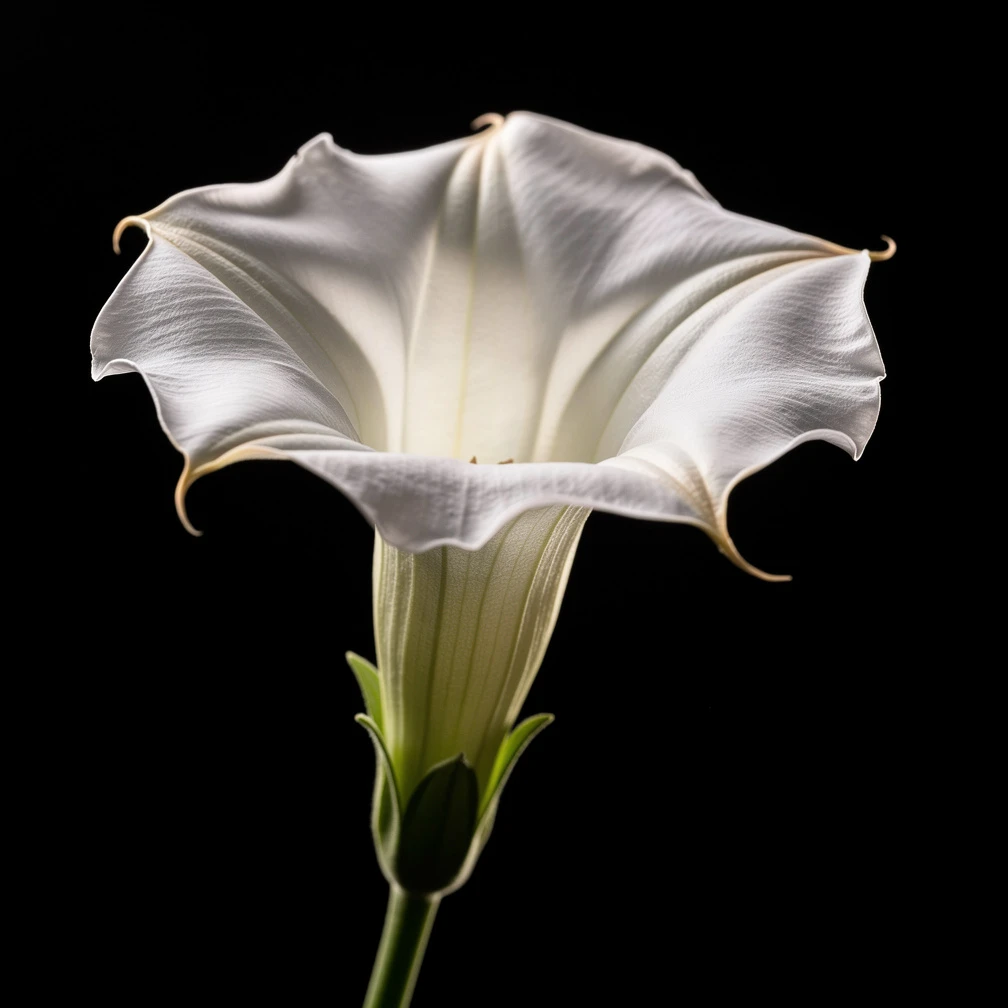
Freesia appears frequently in modern feminine florals and ozonic compositions. It often pairs with white musk, peony, and aquatic notes to create fresh, airy dry-downs.
Does freesia have any traditional perfumery use beyond modern fragrances?
Not historically. Before synthetic reproduction, freesia was rarely used in perfumery because natural extraction failed to capture its subtle headnote character. It became relevant only after laboratory synthesis became possible.
Can freesia be combined with other florals in a fragrance?
Yes. Freesia bridges florals and fresh aquatic notes. It harmonizes well with rose, peony, and lily of the valley while adding transparency that keeps blends from becoming heavy.
Why is freesia sometimes called 'air pink'?
The descriptor 'air pink' captures the translucent, weightless quality of freesia's scent profile and its tendency to evoke the soft, luminous color of the flower's petals at dawn.
Where does the freesia flower grow naturally?
Wild freesia is native to the Cape region of South Africa, a biodiversity hotspot. The flower was documented by European botanists in the early 19th century and later named after German plant collector Friedrich Freese.