The Story
Why it exists.
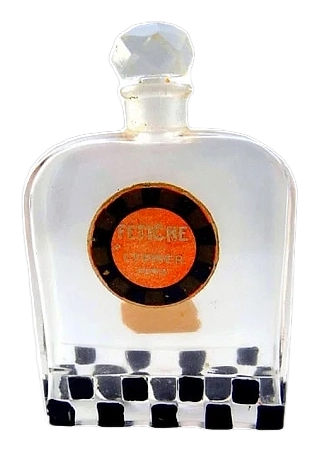
Fétiche arrived in 1926, dropped into a decade that had already invented jazz, the bob cut, and the idea that a woman could own her own money. The name means fetish in French, not the word's English edge, but its original pull: something you return to, something you can't quite explain. L.T. Piver, then nearly a century and a half into its existence, had watched Paris reinvent itself repeatedly. By the twenties, the house understood that luxury was no longer about loudness. It was about precision. Fétiche became that argument, distilled into a bottle, a composition built for the wearer who already knows themselves.
If this were a song
Community picks
La Vie en Rose
Édith Piaf
The Beginning
Fétiche arrived in 1926, dropped into a decade that had already invented jazz, the bob cut, and the idea that a woman could own her own money. The name means fetish in French, not the word's English edge, but its original pull: something you return to, something you can't quite explain. L.T. Piver, then nearly a century and a half into its existence, had watched Paris reinvent itself repeatedly. By the twenties, the house understood that luxury was no longer about loudness. It was about precision. Fétiche became that argument, distilled into a bottle, a composition built for the wearer who already knows themselves.
What makes Fétiche unusual isn't a single material but its architecture. The composition operates as a conversation between eras: aldehydic brightness meeting warmer, animalic depths that weren't supposed to be fashionable anymore. This tension, the modern and the timeless pulling against each other, is what gives the fragrance its strange, lasting power. It doesn't smell like nostalgia. It smells like someone who chose it on purpose.
The Evolution
The opening arrives like a held breath. There's a pause, then something mineral and clean rises, not citrus, not floral, just air moving across skin. Within minutes, the heart arrives: powdery, slightly sweet, with something underneath that reads as warmth rather than sweetness. This is where Fétiche earns its name. The drydown is the real conversation. A soft, skin-like presence that doesn't project aggressively but lingers. Eight hours later, on fabric, it still whispers. The next day, the collar of an unworn jacket holds a trace, faint, intimate, exactly what you'd want no one else to notice.
Cultural Impact
Fétiche holds a niche reverence among vintage collectors, admired for its rare availability and distinctive aldehydic‑powdery character. Enthusiasts speak of a loyal following that values its historic French craftsmanship, noting it as a quiet benchmark for interwar perfumery without mainstream exposure.
The House
France · Est. 1774
L.T. Piver is a French perfume house that traces its roots to the late eighteenth century. The brand began as a modest boutique in Versailles and has survived wars, revolutions and changing fashions while keeping a focus on classic French perfumery. Today it offers a catalogue that spans vintage recreations and contemporary releases, each presented in understated bottles that echo the house’s long‑standing commitment to quiet elegance. The label is known among collectors for its archival scents such as Floramye (1905) and Baccara (1959), as well as for a steady stream of new launches that respect the original DNA of the house.
If this were a song
Community picks
Fétiche sounds like a conversation happening in a room with high ceilings and velvet curtains, quiet, deliberate, a little dusty in the best way. The opening reads as a held breath, then exhale. The heart is all warmth and texture, like a piano played in the dark.
La Vie en Rose
Édith Piaf