The Story
Why it exists.
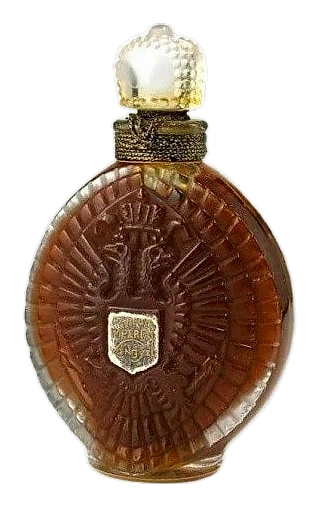
Essence Imperiale Russe was born in 1936 as László Lengyel’s tribute to the fading grandeur of the Russian imperial court. The name evokes the opulent ceremonies and cold‑stone palaces of the czars, translating that history into a masculine scent. Positioned alongside the house’s Eau de la Reine de Hungary, the fragrance aimed to capture the regal poise of a bygone era while appealing to the discerning collector of the interwar period.
If this were a song
Community picks
Moon River
Henry Mancini
The Beginning
Essence Imperiale Russe was born in 1936 as László Lengyel’s tribute to the fading grandeur of the Russian imperial court. The name evokes the opulent ceremonies and cold‑stone palaces of the czars, translating that history into a masculine scent. Positioned alongside the house’s Eau de la Reine de Hungary, the fragrance aimed to capture the regal poise of a bygone era while appealing to the discerning collector of the interwar period.
The fragrance’s texture is described as nutty, sweet and incense‑laden, a cozy veil that recalls the scented chambers of a Russian palace. Lengyel’s workshop in Budapest relied on copper stills to extract oils, pulling ambergris substitutes from the Black Sea coast and oakmoss from the Balkans. This careful sourcing gave the scent a warm, slightly animalic backbone that feels both historic and intimate.
The Evolution
The opening greets the wearer with a soft, nutty sweetness that feels like freshly powdered marzipan dusted over a polished mahogany desk. Within ten minutes the incense‑laden heart emerges, a warm veil of sweet resin that recalls the flicker of candlelight in a winter palace hall. As the fragrance settles after half an hour, the drydown reveals a subtle animalic depth, a lingering amber‑kissed musk that clings to the skin like a quiet after‑glow. The overall arc lasts roughly four to six hours, fading gently after a full workday while leaving a faint, regal trace that whispers of imperial evenings.
Cultural Impact
Since its 1936 debut, Essence Imperiale Russe has become a staple among vintage fragrance collectors. Its aristocratic aura and modest projection appeal to those who prefer subtle nods to history over flashier modern scents. The perfume often appears in niche forums as a reference for classic interwar masculinity, and its rarity adds intrigue for enthusiasts seeking a piece of perfume heritage.
The House
Hungary
Lengyel is a historic perfume house that emerged in Central Europe during the interwar period. Its catalogue reads like a tribute to royal courts, with titles that evoke Russian czars, Hungarian queens and French empresses. The brand survived turbulent decades, preserving a niche of classic, richly composed scents that still attract collectors and connoisseurs. Today, Lengyel’s bottles appear on vintage shelves and in specialty archives, offering a glimpse of a bygone era of aristocratic fragrance culture.
If this were a song
Community picks
Like a slow waltz through a gilded ballroom, the scent moves with graceful poise, echoing the perfume’s regal yet intimate vibe.
Moon River
Henry Mancini