The Heritage
The Story of Prada
Prada's fragrances are the olfactory equivalent of its fashion: intelligent, unexpectedly classic, and beautifully restrained. The house masterfully reinterprets traditional perfumery codes with a clean, modernist sensibility. Its scents are less about overt seduction and more about a quiet, confident intellectualism.
Heritage
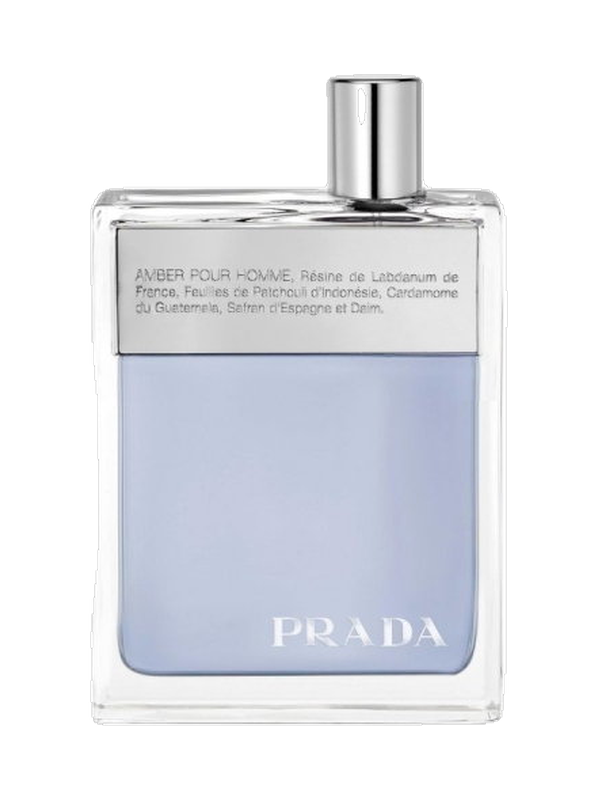
Prada's story begins not with perfume, but with exquisite leather goods. In 1913, Mario Prada opened his first shop, 'Fratelli Prada', in Milan's prestigious Galleria Vittorio Emanuele II, selling luxury bags, trunks, and travel accessories to the European elite. The quality was so exceptional that in 1919, Prada was appointed the Official Supplier to the Italian Royal House. For decades, the brand remained a respectable but somewhat sleepy purveyor of classic luxury goods. The real transformation happened in 1978 when Mario's granddaughter, Miuccia Prada, reluctantly took the helm. Armed with a Ph.D. in political science and a subversive creative vision, she, along with her future husband and business partner Patrizio Bertelli, turned the company on its head. She introduced the iconic nylon backpack, championed an aesthetic of 'ugly chic', and made Prada one of the most influential fashion houses in the world. It wasn't until 2004 that the house made its definitive statement in fragrance with the launch of Prada Amber, a sophisticated and modern amber that set the stage for a new chapter of Prada's creative expression.
Craftsmanship
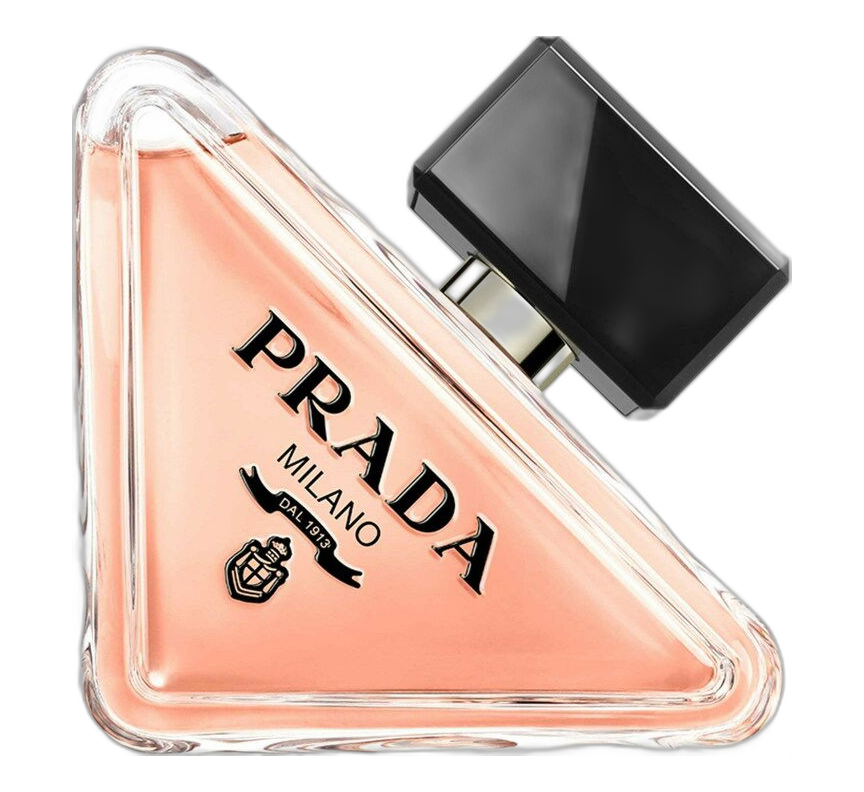
Prada's long-standing collaboration with perfumer Daniela (Roche) Andrier has been fundamental in defining its olfactory signature. For nearly two decades, she was the primary architect of their scent world, creating everything from the groundbreaking Infusion d'Iris to the playful Prada Candy and the refined L'Homme/La Femme duo. Her style aligns perfectly with the brand, favoring high-quality raw materials that are composed with precision and minimalist elegance. The house is famous for its use of Iris Pallida from Florence, one of the most precious materials in perfumery, which forms the backbone of many of its most iconic scents. In 2021, the Prada beauty license moved to L'Oréal, signaling a new direction. The first major launch under this new partnership, Prada Paradoxe, was developed by a trio of perfumers and introduced a strong focus on sustainability. The fragrance features bio-converted amber and a renewable musk molecule, and its striking bottle is fully refillable. This move shows a commitment to merging the house's artistic vision with next-generation production methods and environmental responsibility.
Design Language
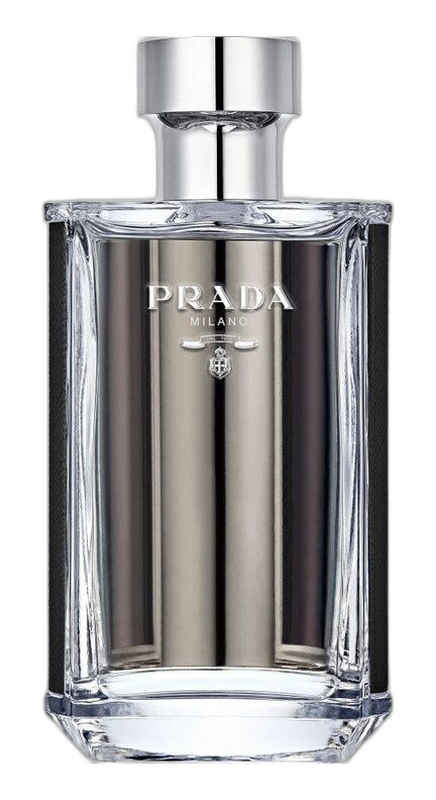
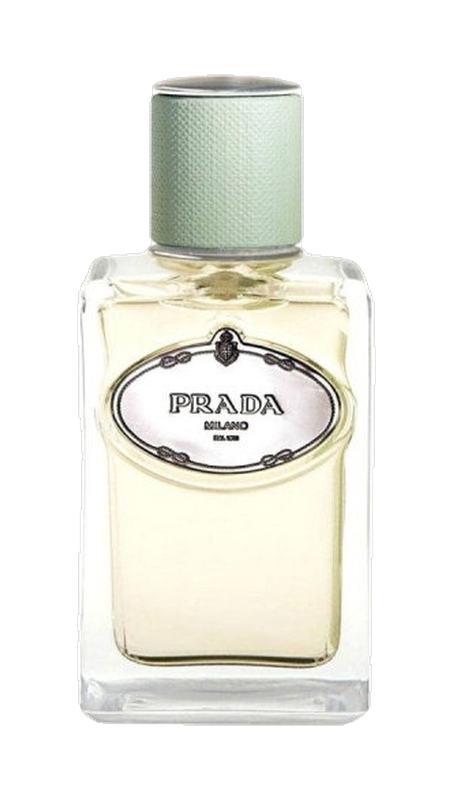
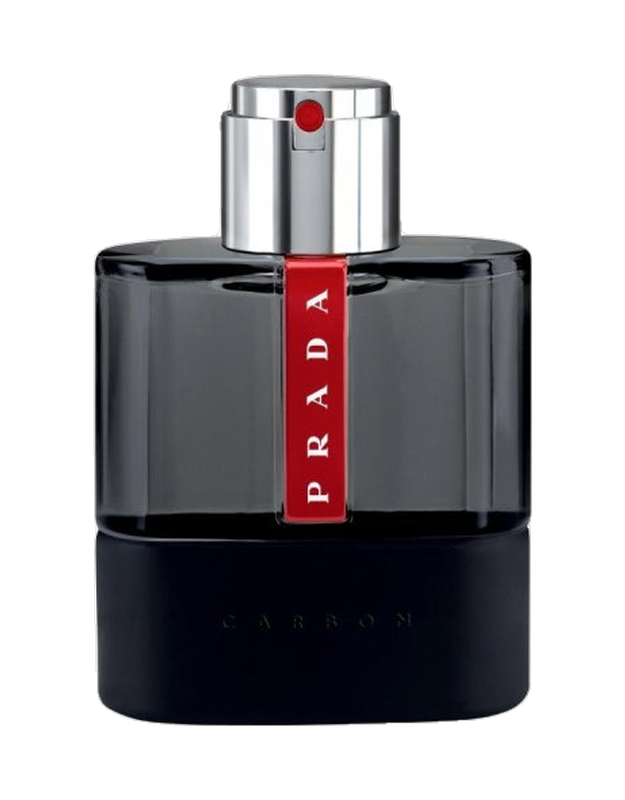
Prada's bottle design is a direct reflection of its minimalist and architectural fashion identity. The original fragrances and the Les Infusions collection come in heavy, substantial glass bottles that feel serious and timeless. They often feature a simple metal plaque with the brand name and fragrance, while the Les Infusions bottles are distinguished by colored film on the back that tints the juice, each one bearing a label reminiscent of an antique scientific specimen. The La Femme and L'Homme bottles are semi-cylinders, flat on one side and curved on the other, designed to fit together as a pair. One side is wrapped in iconic Saffiano leather, a direct nod to the house's heritage in luxury goods. The newest pillar, Paradoxe, breaks this rectangular tradition with a bottle that reinterprets the brand’s iconic triangle logo, designed to lie on its side. It’s a sharp, modern statement that feels both disruptive and unmistakably Prada.
Philosophy
The driving force behind Prada's perfumery is Miuccia Prada's own intellectual curiosity and love of contradiction. The fragrances are not meant to be simple, pretty accessories; they are conceptual explorations. They often play with the tension between the natural and the artificial, the masculine and the feminine, the classic and the contemporary. This is a house that values intelligence over obvious glamour. Prada's approach is often focused on deconstructing a single, high-quality ingredient and presenting it in a new, unexpected light. Think of the Les Infusions collection, where notes like iris, vetiver, or orange blossom are rendered with an almost clinical purity, like olfactory portraits. The philosophy is about creating a scent that feels personal and considered, a fragrance that whispers its presence rather than shouting for attention. It's an extension of the Prada uniform: for those who are in the know.
Key Milestones
1913
Mario Prada and his brother Martino open their leather goods store, 'Fratelli Prada', in Milan.
1978
Miuccia Prada takes control of the family company, beginning its evolution into a global fashion powerhouse.
2004
Prada (Amber) Eau de Parfum is launched, marking the brand's major, successful entry into the mainstream fragrance market.
2007
Infusion d'Iris is released, establishing the house's signature olfactory style of refined, ingredient-focused minimalism.
2016
The house launches the companion scents La Femme Prada and L'Homme Prada, exploring gender and identity.
2021
L'Oréal officially takes over the Prada beauty license from Puig, launching a new era for the brand's fragrances and cosmetics.
At a Glance
Brand profile snapshot
Origin
Italy
Founded
1913
Heritage
113
Years active
Collection
6
Fragrances released
Avg Rating
3.5
Community sentiment