

The Heritage
The Story of Le Labo
Le Labo is a New York-based perfume house that champions slow perfumery and the art of the handmade scent. They're known for their industrial-chic aesthetic and for compounding their fragrances to order, creating a deeply personal experience that stands apart from the mainstream.
Heritage
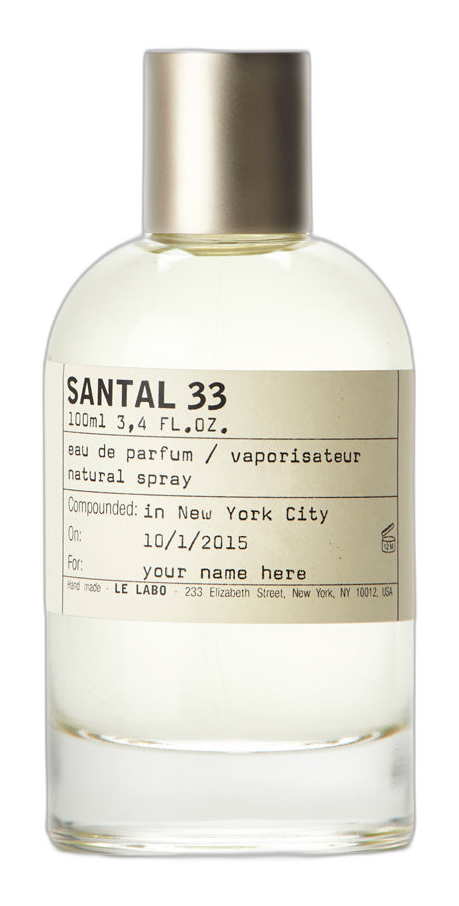
Le Labo, which means 'The Lab' in French, was born from a quiet rebellion. Founders Fabrice Penot and Edouard Roschi met while working on fragrances for Giorgio Armani at L'Oréal, where they grew tired of the mass-market machine's focus on focus groups and celebrity marketing. They dreamed of a perfumery that valued craftsmanship and the soul of a scent above all else. In 2006, they opened their first 'lab' on a quiet street in New York's Nolita neighborhood, introducing a radical concept: perfumes that were blended by hand, to order, right in front of the customer. From this single shop, their reputation grew by word-of-mouth, fueled by a collection of distinct, high-quality scents that felt personal and unique. The launch of Santal 33 in 2011 was a turning point, transforming the brand from an insider's secret into a global phenomenon that scented an entire generation of creative professionals. The brand's success attracted the attention of beauty industry giant The Estée Lauder Companies, which acquired Le Labo in 2014. The acquisition provided the resources for global expansion, allowing Le Labo to bring its New York-born, wabi-sabi vision to cities all over the world while striving to maintain its artisanal core.
Craftsmanship
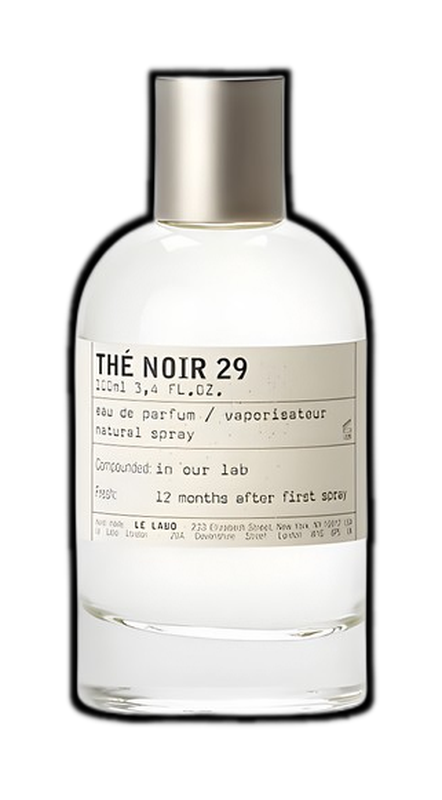
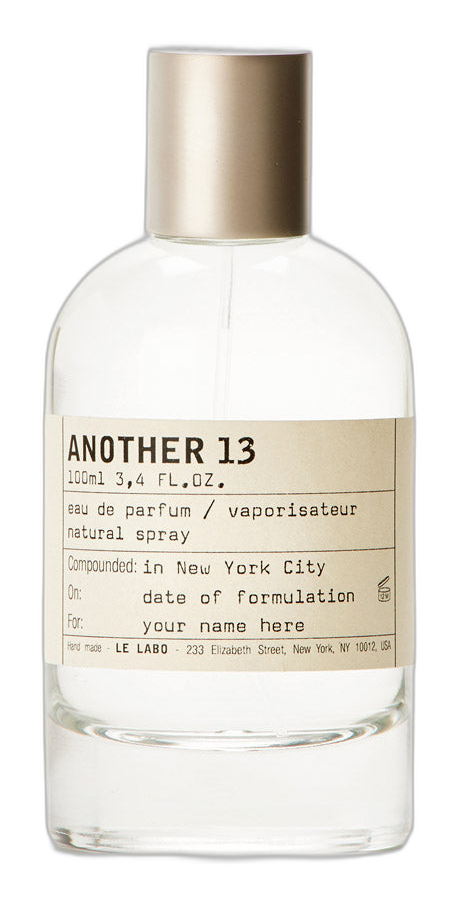
Le Labo's name is a literal description of its process. Each fragrance is freshly hand-blended at the time of purchase in one of their store-labs. The process involves a lab technician combining the fragrance concentrate with an alcohol and water base, ensuring maximum freshness. This made-to-order model is their signature, a deliberate move away from mass-produced, pre-packaged goods sitting on a warehouse shelf. The experience is completed with a personalized label, printed with the date, the location of compounding, and the customer's name. The number in each fragrance name, like Rose 31 or Thé Noir 29, signifies the exact number of ingredients used in its composition. The brand works with some of the world's most respected perfumers and sources high-quality raw materials, primarily from Grasse, France. In line with their mindful approach, all Le Labo fragrances and body formulas are 100% vegan, cruelty-free, and do not use parabens, phthalates, or artificial colorants.
Design Language
The visual identity of Le Labo is as distinct as its scents. It's a masterclass in considered, anti-luxury design that feels both utilitarian and deeply chic. The boutiques are designed to look and feel like a perfumer's laboratory, with distressed walls, industrial lighting, and worn metal surfaces. It feels more like a workshop than a polished retail store. This aesthetic extends to the packaging. The fragrances are housed in simple, apothecary-style glass bottles adorned with a stark, typewriter-font label that looks like it came straight from a science lab. The outer packaging is a simple, unadorned cardboard box. This deliberate plainness is a statement; it subverts traditional luxury codes and places the emphasis squarely on the precious liquid inside the bottle. It’s a look that communicates intelligence, confidence, and an appreciation for substance over style.
Philosophy
At its heart, Le Labo's philosophy is a celebration of imperfection, inspired by the Japanese concept of wabi-sabi. They believe that true beauty lies in things that are imperfect, impermanent, and incomplete. This translates into a perfumery that values the human touch, the character of raw materials, and the unique experience each scent provides. They're not interested in creating fragrances that please everyone; they're interested in creating scents that move someone. Their entire approach is a reaction against the impersonal nature of the modern fragrance industry. By putting the craft front and center and stripping away distracting marketing, they invite you to focus on the scent itself. They believe a perfume should be soulful, memorable, and shocking in its beauty, creating an emotional connection that transcends trends.
Key Milestones
2006
Fabrice Penot and Edouard Roschi open the first Le Labo boutique on Elizabeth Street in Nolita, New York.
2010
Collaborates with AnOther Magazine to create the limited-edition fragrance Another 13.
2011
Santal 33 is launched. It slowly builds into a global cult classic that defines the scent of the 2010s.
2014
The brand is acquired by The Estée Lauder Companies, fueling its international expansion.
2017
After years as a coveted limited edition, Another 13 is added to the permanent 'Classic Collection'.
At a Glance
Brand profile snapshot
Origin
USA
Founded
2006
Heritage
20
Years active
Collection
4
Fragrances released
Avg Rating
4.0
Community sentiment