



The Heritage
The Story of Carolina Herrera
Carolina Herrera fragrances are the essence of New York glamour and effortless sophistication. The house is defined by its celebration of modern femininity, often exploring confident dualities through bold scents and even bolder bottle designs. It's perfumery as the ultimate invisible accessory, designed for a life lived with passion and elegance.
Heritage
The story begins not with a perfume, but with a woman. Venezuelan-American designer Carolina Herrera, a celebrated style icon herself, launched her eponymous fashion house in New York in 1981. Encouraged by the legendary Vogue editor Diana Vreeland, her vision of refined, feminine clothing quickly won over the city's elite. The brand's venture into fragrance began in 1988, in partnership with the Spanish company Puig. The debut scent, 'Carolina Herrera by Carolina Herrera', was an immediate success, a lush tuberose and jasmine blend that captured the founder's personal memories and sophisticated taste. This partnership with Puig was foundational, and the fragrance division flourished. In 1997, Herrera's daughter, Carolina Adriana Herrera, joined as creative director for fragrances, bringing a fresh perspective. Her first project was the game-changing '212', a tribute to the energy of Manhattan that became a '90s icon. Over the years, Puig deepened its involvement, eventually acquiring the entire Carolina Herrera fashion and beauty business in 1995. This has allowed the fragrance house to operate with the resources of a global beauty giant while maintaining the distinct creative spirit instilled by its founder.
Craftsmanship
Carolina Herrera's fragrances are born from a close collaboration between the brand's creative directors and the world's most talented perfumers. Operating under the ownership of Puig, the house has access to an incredible network of master perfumers from giants like Givaudan, Firmenich, and IFF, including legends like Alberto Morillas, Carlos Benaïm, and Louise Turner. This structure allows them to source exceptional raw materials and employ advanced molecular science to achieve their vision. The process is one of translation, turning the textures, colors, and emotions of a fashion collection into a scent. For example, the creation of 'Good Girl' involved finding a way to express light and dark notes simultaneously, resulting in a novel pairing of bright tuberose and jasmine with the rich, addictive qualities of tonka bean and cocoa. They don't shy away from technical challenges, investing heavily in development to perfect not just the juice but the delivery system, ensuring every element lives up to the brand's luxurious standards.
Design Language
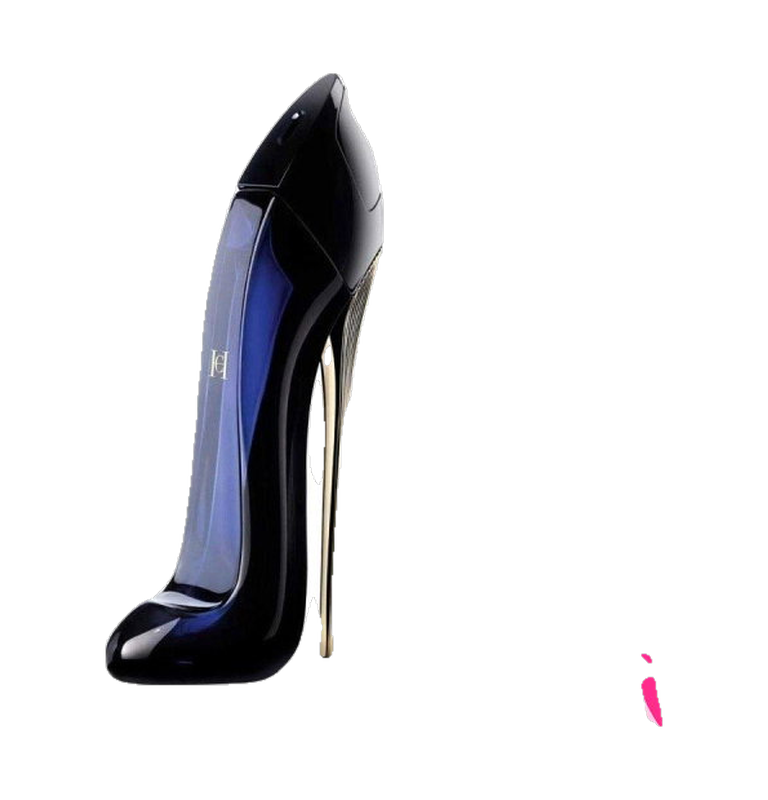
The visual identity of Carolina Herrera fragrances is unapologetically bold and theatrical. Bottle design is never an afterthought; it's a central part of the story. The 'Good Girl' stiletto is perhaps the most famous example in modern perfumery, a piece of pop-art sculpture that is instantly recognizable and perfectly encapsulates the fragrance's theme of feminine power and sensuality. Before that, the '212' fragrances, with their sleek, magnetic, pill-shaped capsules, defined a minimalist urban cool for a generation. Packaging and campaigns follow this lead, radiating a polished, cosmopolitan glamour. The house often uses a striking color palette of black, white, gold, and a signature 'Herrera Red.' Advertising visuals, frequently shot in New York, depict a life of sophistication and excitement, starring models and actors who embody the brand's confident spirit. The entire aesthetic is a declaration of luxury that is meant to be seen and experienced, making the fragrances as much an object of design as they are a personal scent.
Philosophy
At its heart, the Carolina Herrera brand is driven by 'Alegria de Vivir'—the joy of living. This isn't a quiet, passive happiness; it's a vibrant, confident embrace of life's possibilities. The house translates this into fragrances that feel both classic and contemporary, empowering the wearer to express different facets of their personality. There's a powerful belief in duality, most famously expressed in the 'Good Girl' line with its motto, "It's so good to be bad." This philosophy means their perfumes aren't just scents; they're statements. They are conceived as the final touch to an outfit, a personal signature that communicates confidence, sensuality, and charm. Under the creative direction of Carolina A. Herrera for beauty, the house continues to explore the complexities of modern identity, creating perfumes that are as memorable and multifaceted as the women and men who wear them.
Key Milestones
1981
Carolina Herrera launches her eponymous fashion house in New York City.
1988
The first fragrance, 'Carolina Herrera by Carolina Herrera', is released in partnership with Puig.
1997
Her daughter, Carolina Adriana Herrera, conceives '212', a scent inspired by Manhattan that becomes a global phenomenon.
2016
The house launches 'Good Girl', which becomes a blockbuster success thanks to its unique scent and iconic stiletto bottle.
2018
Founder Carolina Herrera steps down, appointing Wes Gordon as the fashion house's Creative Director.
At a Glance
Brand profile snapshot
Origin
USA
Founded
1981
Heritage
45
Years active
Collection
2
Fragrances released
Avg Rating
1.4
Community sentiment