




The Heritage
The Story of Demeter
Demeter Fragrance Library
Heritage
Christopher Brosius was working as creative director at Kiehl's Pharmacy in New York's East Village when he discovered his gift for scent creation. Training himself to blend essential oils, he created custom fragrances that caught the attention of devoted fans. His breakthrough came when Cindy Crawford requested a personal scent. But it was a childhood memory, the smell of tomato leaves in his grandmother's garden, that would launch a revolution.
Craftsmanship
Demeter's approach to perfumery inverts traditional luxury fragrance creation. Rather than building complex pyramids with dozens of ingredients, they isolate and perfect single accords. Each fragrance is handcrafted in Selinsgrove, Pennsylvania, using high-quality ingredients and corn-derived alcohol as a base. The formulation process involves extensive trial to achieve authentic realism. A scent like Dirt required years of refinement to capture the genuine aroma of soil without synthetic harshness. Their minimalist compositions demand precision. With fewer ingredients, each one must be impeccable. The brand uses both natural and synthetic materials, choosing whichever best captures the target scent. This pragmatic approach prioritizes accuracy over ingredient snobbery.
Design Language
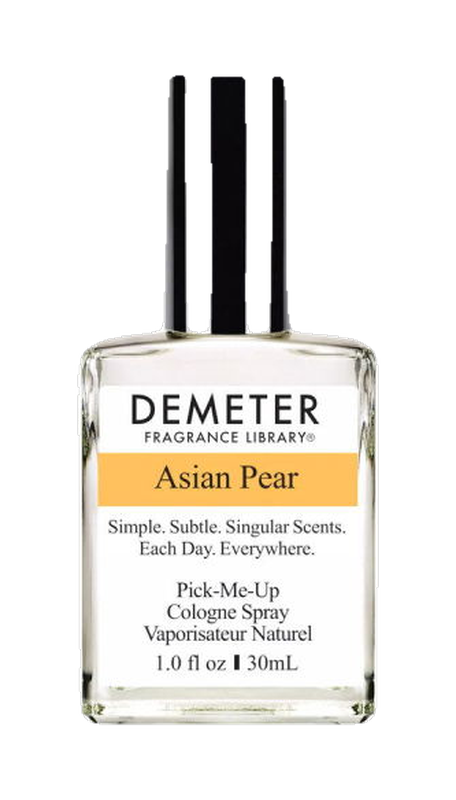
Demeter's visual identity reflects its democratic philosophy. Clean, simple bottle designs put the focus entirely on the scent within. The packaging is deliberately unfussy, eschewing the ornate presentations of traditional luxury fragrance houses. This minimalism serves a purpose. It signals accessibility and removes barriers to experimentation. When a fragrance costs under forty dollars and comes in a straightforward bottle, buyers feel free to take risks. The brand name itself, referencing the Greek goddess of the harvest, reinforces their connection to natural, earthly scents.
Philosophy
Demeter believes fragrance should be approachable, authentic, and deeply personal. Rather than creating abstract compositions that require interpretation, they capture specific scents that trigger immediate recognition and memory. Their philosophy centers on olfactory transparency. What you smell is exactly what you get. A tomato fragrance smells like tomato leaves, not a metaphor for tomato. This honesty extends to their business model. Fragrance should not be elitist. By keeping prices accessible and compositions straightforward, they invite experimentation. Layering becomes a form of self-expression. The wearer becomes the perfumer, combining single notes to create signatures that exist nowhere else.
Key Milestones
1996
Founded in New York City by Christopher Brosius and Christopher Gable
1996
Launch of first eight single-note fragrances including Dirt, Grass, and Tomato
2004
Christopher Brosius departs to establish CB I Hate Perfume
2010
Expansion to over 250 fragrances in the library
2015
Asian Pear launched, expanding the fruit collection
2020
Rebranded as The Library of Fragrance in European markets
At a Glance
Brand profile snapshot
Origin
USA
Founded
1996
Heritage
30
Years active
Collection
2
Fragrances released
Avg Rating
3.6
Community sentiment