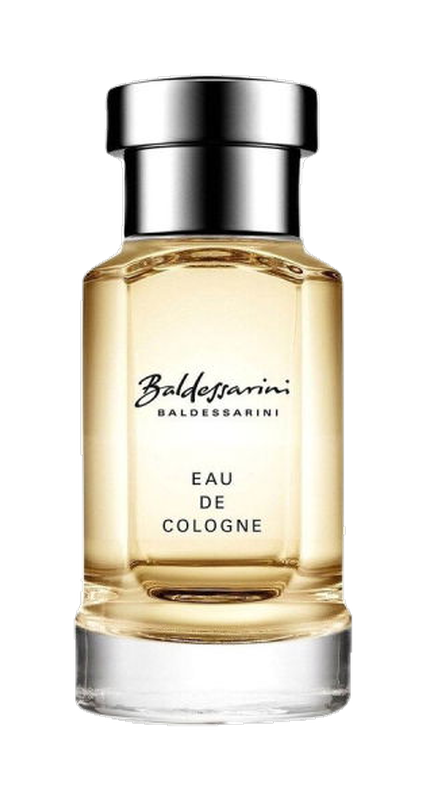





The Heritage
The Story of Baldessarini
Baldessarini is a German luxury menswear and fragrance house founded in 1993, originally conceived as the premium line of Hugo Boss before becoming an independent entity. Named after Werner Baldessarini, the Austrian fashion designer who served as chief designer and later CEO of Hugo Boss, the brand embodies refined masculinity with its iconic slogan "Separates the men from the boys." The fragrance division launched in 2002 with the debut Baldessarini Eau de Cologne, a sophisticated citrus-tobacco composition that set the tone for the house's olfactory identity. Now owned by Mäurer & Wirtz, Baldessarini continues to craft accessible luxury fragrances for the discerning gentleman who values timeless elegance over fleeting trends.
Heritage
The Baldessarini story begins in 1993 when Hugo Boss AG made a bold move to establish a true luxury menswear line. They named it after Werner Baldessarini, their chief designer who had been shaping the Boss aesthetic since 1975. Born in 1945 in Kufstein, Austria, to parents of Italian descent, Baldessarini brought a unique sensibility to German fashion. He combined Mediterranean flair with Teutonic precision, creating clothes for men who had outgrown youthful experimentation but weren't ready for staid conservatism. The first collection debuted in 1994, immediately establishing a visual language of understated luxury. Charles Schumann, the legendary Munich bartender, became the brand's first face. His sophisticated yet approachable demeanor perfectly captured what Baldessarini represented. The brand's iconography drew from unexpected sources. The Granny Smith apple and the daisy became signature motifs. Werner Baldessarini explained their appeal with characteristic charm: the daisy's simple, innocent beauty that needs no grand display, and the apple's juicy freshness representing pure enjoyment of life. These weren't arbitrary choices. They reflected a philosophy that true sophistication doesn't shout. The fragrance arm launched in 2002 with Baldessarini Eau de Cologne, created by perfumers Jean-Marc Chaillan and Pierre Wargnye. The same year marked a pivotal transition. Werner Baldessarini left Hugo Boss, taking his namesake brand with him. The fragrance initially shipped under the Hugo Boss umbrella, making those early bottles collector's items today. The corporate journey continued. In 2004, Baldessarini became a fully independent subsidiary. Then in 2006, Werner sold the textile business to Ahlers AG, though he remained involved in fragrance licensing. The perfume license passed from Procter & Gamble to Mäurer & Wirtz in 2011, placing Baldessarini in the hands of one of Germany's most respected fragrance houses, alongside classics like 4711 and Tabac.
Craftsmanship
Baldessarini fragrances are developed with German precision and marketed with Austrian charm. The production reflects Mäurer & Wirtz's heritage as one of Germany's oldest fragrance houses, with roots stretching back to the 19th century. Their Stolberg facility combines traditional perfumery techniques with modern quality control. The brand works with established perfumers rather than pursuing celebrity mixologists. Jean-Marc Chaillan and Pierre Wargnye, creators of the original Baldessarini, brought serious credentials. Wargnye had already shaped Drakkar Noir, while Chaillan came from perfumery royalty (his father was Raymond Chaillan). This commitment to experienced noses ensures consistency across the line. The bottles reflect the brand's positioning as accessible luxury. The original Baldessarini flacon features clean lines and substantial weight. Del Mar introduced nautical elements with its horizon-inspired indent and mooring post cap. The materials feel premium without veering into ostentation. You won't find crystal embellishments or gold plating. Instead, there's a quiet confidence in the construction. The juice quality matches the packaging. Baldessarini fragrances typically deliver solid performance without nuclear projection. They're designed to be noticed by those who should notice them, not to announce your presence three rooms away. The brand sources quality materials within its price tier. While not using the rarest naturals, the compositions show careful attention to ingredient quality. The amber in Ambré feels rich rather than synthetic. The citrus in the original opens bright and clean. The tobacco accord avoids the cheap, ashy quality that plagues lesser fragrances in this category. Mäurer & Wirtz's stewardship since 2011 has maintained these standards while expanding distribution. The brand has grown particularly strong in Eastern European markets, where consumers appreciate its blend of quality and accessibility.
Design Language
Baldessarini's visual identity draws from a specific moment in cultural history: Hollywood's golden era renaissance of the late 1960s. Think Steve McQueen in a convertible, not Gordon Gekko in a power suit. There's a California ease to the brand's imagery, a sense that luxury should feel effortless rather than effortful. The color palette favors navy, white, and touches of green (that Granny Smith apple again). It's classic menswear territory, the colors of a well-curated wardrobe. The photography tends toward natural settings, yacht decks, open roads, places where successful men actually spend their leisure time rather than boardrooms where they earn it. Charles Schumann, the brand's longtime face, embodied this aesthetic perfectly. A bartender who wrote books about cocktails. Sophisticated but approachable. Knowledgeable but never pretentious. The campaigns featuring him didn't feel like perfume advertising. They felt like invitations to a lifestyle. The bottle design reinforces this understated approach. No bling, no gimmicks. Just clean lines, quality materials, and proportions that feel right in a man's hand. The caps have weight. The glass has clarity. These are objects designed for bathroom counters, not Instagram flat lays. The brand's recent "New Hollywood" relaunch in 2021 updated this aesthetic for contemporary audiences while maintaining its core DNA. The red carpet appearances, the digital fashion shows, the influencer events in Ibiza. All of it speaks to a brand that understands its customer has evolved while staying true to what attracted him in the first place. Even the floral imagery (daisies, specifically) manages to feel masculine. It's not about prettiness. It's about appreciating simple beauty without needing to complicate it.
Philosophy
Baldessarini operates on a simple but powerful premise: maturity is not something to apologize for. While much of the fragrance industry chases youth or tries to recapture it, Baldessarini has always targeted men who have already arrived. The brand speaks to those who don't need validation through trend-chasing. This philosophy extends beyond marketing into product development. The fragrances are designed to be worn, not merely collected. They're versatile enough for daily use but refined enough for special occasions. The house avoids the experimental extremes of niche perfumery while maintaining a distinct character that separates it from mass-market offerings. The "Separates the men from the boys" slogan isn't just clever copywriting. It encapsulates an entire worldview. Baldessarini believes in quiet confidence over loud statements. In craftsmanship over novelty. In the long game over quick wins. This is a brand for men who have learned that true sophistication often whispers. The aesthetic draws heavily from the golden era of Hollywood, specifically the late 1960s when films like Easy Rider and Bonnie and Clyde were reshaping cinema. There's a sense of California optimism in the brand DNA. The self-assurance of someone who doesn't take themselves too seriously but takes what they do seriously. Werner Baldessarini's personal journey informs this philosophy. He stepped down from Hugo Boss at the height of his powers, choosing the luxury of time over corporate ambition. The brand he built reflects this choice: fragrances for men who have earned the right to prioritize enjoyment over achievement.
Key Milestones
1993
Hugo Boss AG founds Baldessarini as a luxury menswear line named after chief designer Werner Baldessarini
2002
Launch of Baldessarini Eau de Cologne, the brand's first fragrance, created by Jean-Marc Chaillan and Pierre Wargnye
2004
Baldessarini becomes a 100% subsidiary and relocates from Metzingen to Munich
2006
Hugo Boss sells the Baldessarini brand to Werner Baldessarini; textile business later acquired by Ahlers AG
2011
Mäurer & Wirtz acquires the fragrance license from Procter & Gamble
2021
Baldessarini relaunches under the "New Hollywood" theme with digital fashion shows and red carpet presence
At a Glance
Brand profile snapshot
Origin
Germany
Founded
1993
Heritage
33
Years active
Collection
1
Fragrances released
Avg Rating
4.2
Community sentiment