







The Heritage
The Story of Yves d'Orgeval
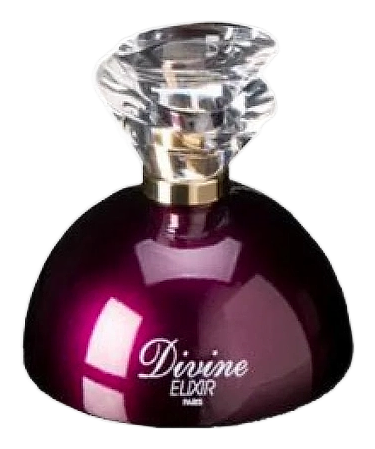
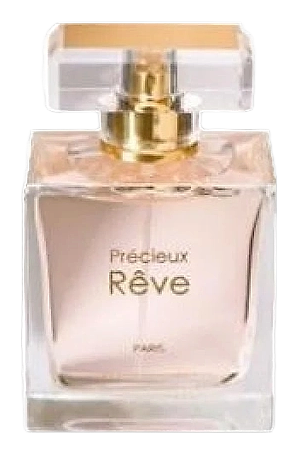
Yves d'Orgeval is a niche French perfume house that positions itself around emotion‑driven storytelling. The label offers a compact portfolio that includes Essence, Sublime Gold, Sublime Red, Divine Elixir, Lumiere de Paris, Précieux Rêve (2013), Sensy, Parismania, Fashion Parade (2012) and Romance de Paris (2012). Each scent is presented as a vignette of a memory or a place, inviting the wearer to explore a private olfactory narrative. While the brand does not publish extensive corporate history, its catalogue reflects a consistent focus on rich, layered compositions that balance classic French accords with contemporary twists.
Heritage
The name Yves d'Orgeval appears first in niche perfume circles in the early 2000s, when the perfumer‑entrepreneur began releasing limited‑edition fragrances under his own label. According to the Fragrantica profile, the creator draws on more than 25 years of experience in the industry, a claim that aligns with his earlier work for other French houses, where he contributed to both mainstream and artisanal projects. By 2012 the brand had introduced several Paris‑themed releases – Fashion Parade and Romance de Paris – signalling a deliberate link to the city’s romantic heritage. The following year, Précieux Rêve arrived, marked by a launch event at a boutique in the Marais district, where the scent’s amber‑rich heart was paired with a small‑batch presentation of hand‑blown crystal bottles. Throughout the 2010s the house maintained a low‑profile distribution model, favoring specialty perfumery shops and online niche platforms rather than mass‑market channels. In 2018 the brand celebrated a decade of continuous production, a milestone noted in a feature on Basenotes that highlighted its commitment to preserving traditional French perfumery techniques while experimenting with synthetics. Recent years have seen Yves d'Orgeval expand its reach to select international markets, primarily through curated pop‑up experiences that emphasize the tactile aspect of fragrance – from the weight of the bottle to the texture of the label. Though the house remains small, its longevity in a crowded niche sector suggests a loyal collector base and a reputation for delivering scents that feel both personal and timeless.
Craftsmanship
Production at Yves d'Orgeval follows a boutique‑scale model that blends traditional French methods with selective modern techniques. According to the Fragrantica description and a Basenotes interview, the perfumer oversees the entire formulation process, from initial brief to final dilution, ensuring each accord meets his personal standard for balance and depth. Natural extracts such as Bulgarian rose, Tunisian ambergris (synthetic substitute) and Madagascan vanilla are reportedly procured from long‑standing suppliers in the Grasse region, a hub known for its centuries‑old cultivation practices. Synthetic aroma chemicals, including iso e super and hedione, are incorporated to extend the scent’s evolution and to achieve a cleaner, more consistent batch profile. The house employs a small, dedicated lab where batches are hand‑mixed in stainless‑steel vessels, allowing the perfumer to monitor temperature and maceration time closely. After blending, the perfume rests for a period that can range from several weeks to several months, a practice that mirrors classic French house protocols for achieving harmonious integration of ingredients. Bottles are hand‑blown by artisans in a Parisian glass workshop; each vessel receives a hand‑applied label printed on textured paper that references the fragrance’s narrative theme. Quality control includes blind testing by a panel of experienced noses, who evaluate projection, longevity and the intended emotional impact before a batch is approved for release. The brand’s limited production runs, typically under 2,000 units per scent, enable close monitoring of each bottle’s consistency, reinforcing a commitment to artisanal precision rather than mass output.
Design Language
Visually, Yves d'Orgeval leans into a minimalist yet evocative language. Bottles feature clean, rectangular silhouettes with subtle curvature at the shoulders, allowing the glass to catch light without excessive ornamentation. The color palette draws from the fragrance’s name – gold‑toned amber for Sublime Gold, deep ruby for Sublime Red, soft ivory for Essence – creating an immediate visual cue that aligns with the scent’s character. Labels are printed on matte, slightly textured paper, often embossed with the brand’s monogram, a stylized "YdO" that references both the founder’s initials and a historic French heraldic motif. Caps are typically brushed metal, sometimes finished in rose gold, adding a tactile contrast to the smooth glass. The overall packaging conveys a sense of quiet elegance, avoiding overt branding in favor of understated refinement. Marketing imagery, when present, favors soft focus photography of Parisian streets, vintage travel posters or close‑up studies of raw ingredients, reinforcing the narrative of travel, memory and emotion. In boutique settings, the brand’s displays incorporate natural wood and muted lighting, allowing the bottles to stand out as objects of quiet contemplation rather than loud commercial products.
Philosophy
Yves d'Orgeval’s creative vision is framed around the idea that scent should act as a conduit for emotion. The brand’s statements, as reported on its own platform and echoed in independent reviews, emphasize a desire to translate feelings such as nostalgia, desire and wanderlust into olfactory form. This philosophy manifests in the choice of narrative titles – Sublime Gold, Lumière de Paris – which hint at a story before the first spray. The house values craftsmanship over trend‑chasing, preferring to develop each fragrance over months of testing rather than following seasonal market cues. Sustainability is mentioned in passing, with the perfumer reportedly sourcing certain natural ingredients from certified farms in Grasse and Madagascar, while also employing modern synthetics to reduce pressure on scarce resources. Transparency about ingredient composition is limited, but the brand’s public disclosures suggest a respect for both the art and the science of perfumery, aiming to create scents that linger in memory as much as on skin. Collaboration is another pillar; the house occasionally works with visual artists for limited‑edition packaging, reinforcing the belief that scent, sight and touch together shape a complete experience.
Key Milestones
2002
Yves d'Orgeval launches his eponymous perfume line, introducing the first limited‑edition fragrance in a Paris boutique.
2012
Release of Fashion Parade and Romance de Paris, two scents that explicitly reference the city’s cultural heritage.
2013
Précieux Rêve debuts, marked by a launch event featuring hand‑blown crystal bottles and a curated art installation.
2018
The brand celebrates ten years of continuous production, highlighted in a Basenotes feature on niche French houses.
2020
Introduction of Lumière de Paris, a fragrance that blends synthetic luminous notes with natural citrus extracts.
2024
Yves d'Orgeval expands distribution to select specialty retailers in Japan and the United States, maintaining its limited‑run model.
At a Glance
Brand profile snapshot
Origin
France
Founded
2002
Heritage
24
Years active
Collection
2
Fragrances released
Avg Rating
4.3
Community sentiment
Release Rhythm


