Heritage
A house, in its own words
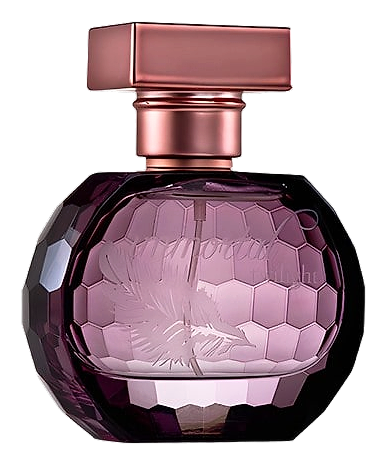
The origins of Twilight Beauty remain largely undocumented in accessible sources, making it difficult to establish a comprehensive founding narrative. The brand appears to have emerged around 2011, coinciding with the peak popularity of the Twilight saga following the release of Breaking Dawn Part 1 in November of that year. This timing suggests the company was likely formed specifically to capitalize on the franchise's devoted fanbase during a period when related merchandise was actively sought by consumers. The decision to create a fragrance inspired by the fictional character Bella, as perceived by Edward, indicates a marketing strategy rooted in participatory culture and emotional engagement rather than traditional fragrance positioning. Twilight Beauty does not appear to have released additional fragrances following Immortal Twilight, which raises questions about whether the company was structured as a limited partnership with a defined product lifecycle or whether it simply failed to expand its offerings. The brand's existence as a distinct corporate entity has not been independently verified through business registration records or industry databases, and no information has surfaced regarding founding personnel, initial investment, or manufacturing partnerships. This lack of documented corporate history positions Twilight Beauty as an example of niche branded merchandise rather than a traditional fragrance house with established institutional roots. Twilight Beauty built Immortal Twilight around a distinctive creative premise that borrowed narrative elements from existing intellectual property rather than developing an original concept. The brand's stated intention involved translating a fictional character's described scent into a wearable fragrance, essentially collapsing the boundary between storytelling and consumer product. This approach reflected a broader trend in licensed merchandise during the late 2000s and early 2010s, when franchises sought increasingly immersive ways to deepen fan engagement. The choice of chamomile and citrus for the top notes reportedly aimed to capture qualities described within the Twilight narrative: an approachable, cool freshness that contradicts expectations of vampire fiction's typical atmospheric associations. Rather than emphasizing ingredient provenance or perfumery craftsmanship in marketing communications, the brand appears to have prioritized the conceptual hook of experiencing the story through scent. This philosophy positioned the fragrance as an interpretive artifact rather than a standalone olfactory creation, inviting wearers to engage with familiar narrative content through an unfamiliar sensory channel. The strategy required minimal explanation for its target audience while potentially limiting broader market appeal to those unfamiliar with the source material.