
Heritage
A house, in its own words
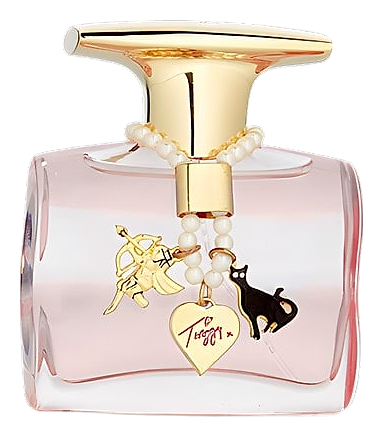
The Twiggy fragrance brand traces its origins to the early 2010s, reportedly drawing direct inspiration from the legendary British model Leslie Hornby, who became known worldwide as Twiggy during the 1960s. The model's influence extended far beyond fashion; she represented a cultural shift toward youth-oriented aesthetics and a more relaxed approach to beauty and style. The first Twiggy fragrance launched in 2012, with a follow-up, Twiggy Classic, arriving in 2016. The decision to name the brand after such an iconic figure suggests an intentional positioning that leverages the enduring recognition of the Twiggy persona. However, the publicly available research on the brand's founding circumstances, the identity of its creators, and its corporate structure remains limited. What is evident is that the brand chose to anchor its identity in a specific cultural moment rather than pursuing a more abstract fragrance concept. The choice of the Twiggy name carries implicit associations with 1960s London, the Swinging London era, and a particular vision of British pop culture that maintained global resonance for decades. The Twiggy brand philosophy centers on capturing an essential quality of its namesake: the fresh-faced, effortlessly chic sensibility that defined Twiggy during her peak years. Rather than attempting to recreate a specific decade, the brand reportedly seeks to distill the spirit of confident youthfulness and British style that the model embodied. The limited fragrance offerings suggest a philosophy of restraint, where each scent is given space to establish its own identity rather than being lost in constant new releases. The brand's approach to fragrance creation appears to prioritize accessibility and wearability, reflecting the democratic spirit that made Twiggy herself a figure who connected with wide audiences. There is reportedly an emphasis on creating fragrances that feel appropriate for daily wear rather than reserving scent for special occasions. The aesthetic commitment to a particular cultural moment also indicates a belief in fragrance as a vehicle for nostalgia, memory, and identity connection. The brand seems to understand that consumers often seek not just pleasant scents but meaningful associations that help express who they are or who they wish to become.