Heritage
A house, in its own words
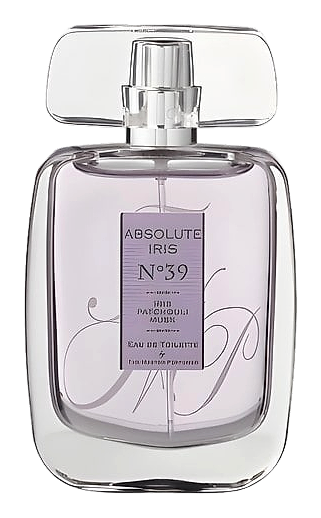
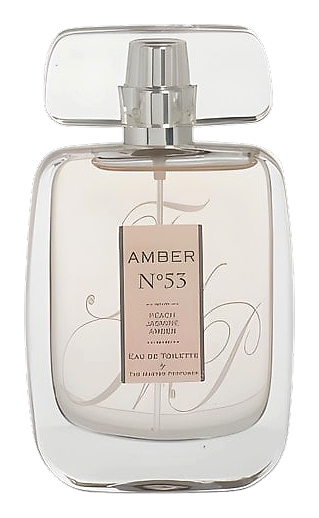
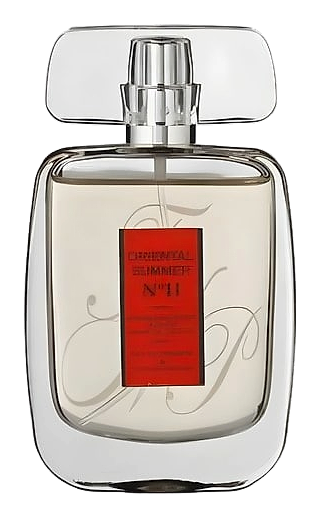
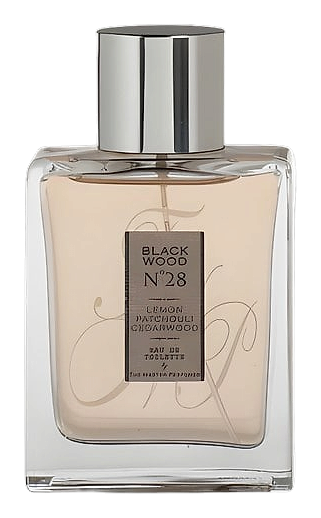
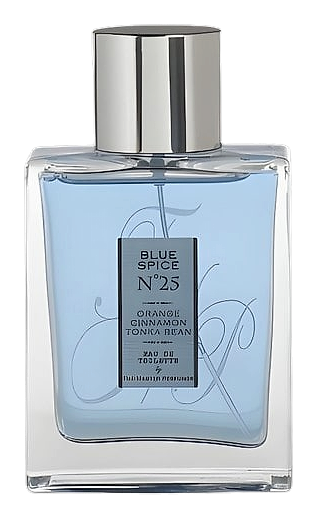
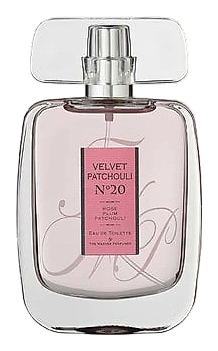
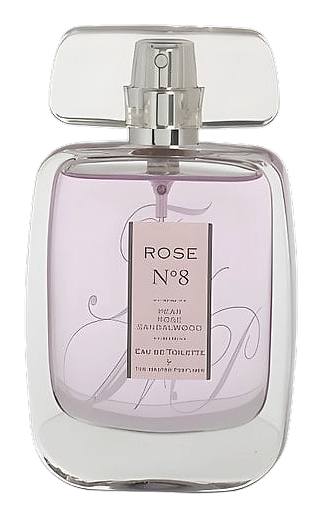
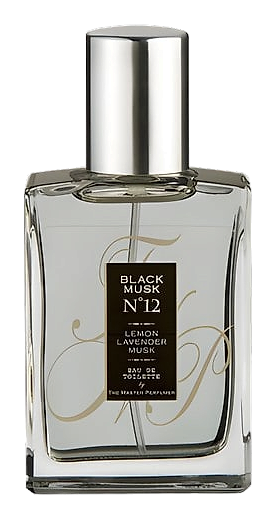
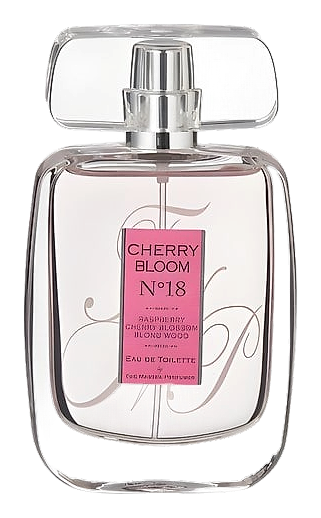
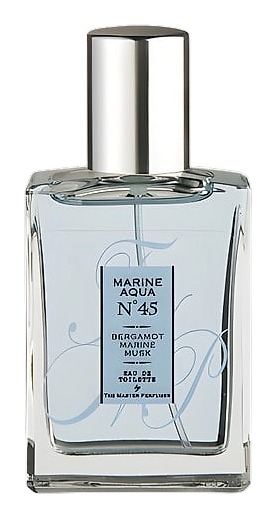
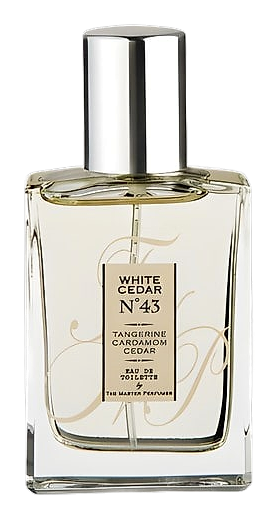
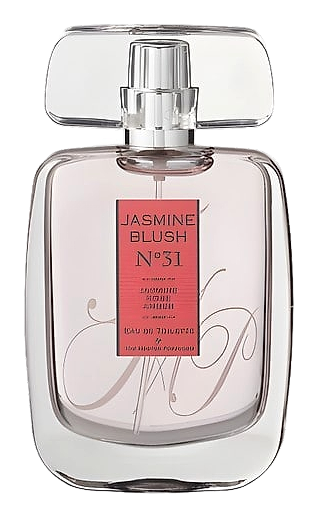
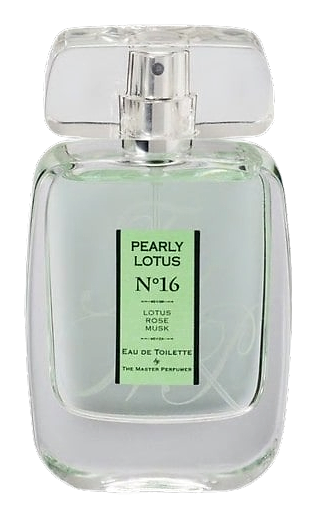
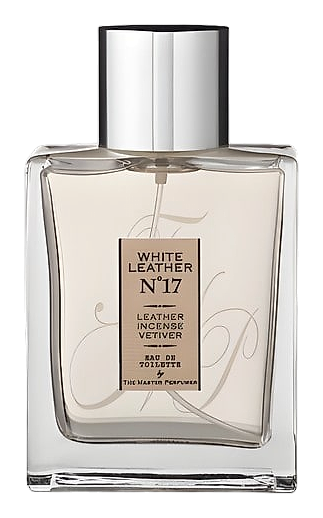
The world of independent perfumery grew significantly in the early 2010s, as artisans who had spent decades composing for larger houses began establishing their own labels. The Master Perfumer emerged during this period of creative recalibration, when the distinction between commercial fragrance production and personal artistic vision became a defining question for the industry. Historical houses like Houbigant, operating since 1775, have demonstrated remarkable continuity across centuries, while contemporary independent perfumers have staked their identities on the opposite principle: working at smaller scale with greater creative autonomy. The numbered collection attributed to The Master Perfumer began appearing in 2012 and continued through 2018, a span that coincides with the broader artisanal fragrance revival. The absence of fashion-house affiliation or celebrity branding in the collection suggests an independent founding philosophy, one that places the perfumer's vision at the center of every composition rather than aligning with a luxury conglomerate or lifestyle brand. Historical precedent shows that perfumers often transitioned from employed positions within established houses to independent ownership, a pattern that shaped many of the most respected artisanal brands of this era. The sustained output across six years indicates a committed, ongoing practice rather than a singular creative project. The Master Perfumer operates on the principle that fragrance creation is an intimate, individual craft rather than an industrial process. Each numbered composition in the collection represents a deliberate study in scent, approached as an investigation into a specific accord, emotion, or sensory territory. The numbering system itself signals a philosophical position: the work speaks through the olfactory experience rather than through narrative marketing. This approach deliberately avoids the celebrity endorsement model and the fashion-house prestige structure that dominate much of the contemporary fragrance market. Instead, the brand aligns with an older tradition in which perfumers served as creative auteurs, each composition reflecting a personal vision rather than a committee-approved brief. The independence this implies extends to the creative process itself. Without the commercial pressures that shape mass-market fragrance development, the perfumer can reportedly prioritize raw material quality, extended maceration periods, and the pursuit of unusual combinations over the safety of proven commercial formulas. The result is a collection unified by craft integrity rather than by a single signature accord or house style.