

    Brand Profile

    Testament London creates contemporary niche fragrances that blend the precision of French perfume craft with a distinctly British sensibilit…More

    United Kingdom (origin), France (production)·Est. 2018·Site

    2

    Fragrances

    4.7

    Rating

    Just Landed

    New Arrivals

    The latest additions to the Testament London collection.

    19
    Exotic Leather by Testament London
    Best Seller
    4.7

    Exotic Leather

    Mirage by Testament London
    4.7

    Mirage

    Quinta Essentia by Testament London
    Best Seller
    4.9

    Quinta Essentia

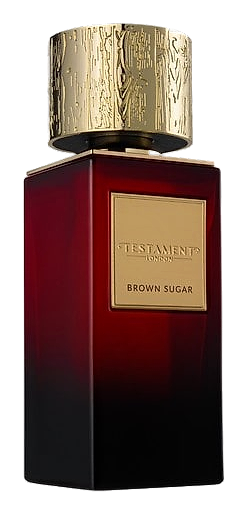
    Brown Sugar by Testament London
    Best Seller
    4.8

    Brown Sugar

    Twisted Hearts by Testament London
    New
    4.5

    Twisted Hearts

    Tea On A Cruise by Testament London
    4.4

    Tea On A Cruise

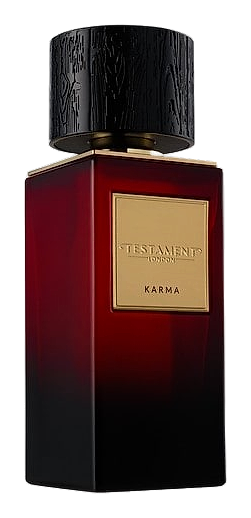
    Karma by Testament London
    4.3

    Karma

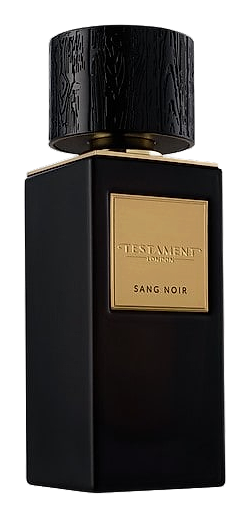
    Sang Noir by Testament London
    4.3

    Sang Noir

    Pulse by Testament London
    4.3

    Pulse

    Royal Flush by Testament London
    4.3

    Royal Flush

    Sin Poetry by Testament London
    4.3

    Sin Poetry

    Pont Neuf by Testament London
    4.2

    Pont Neuf

    1 of 2

    The Heritage

    The Story of Testament London

    Testament London creates contemporary niche fragrances that blend the precision of French perfume craft with a distinctly British sensibility. Launched in 2018, the house offers a modest catalogue that includes Quinta Essentia (2023) and Exotic Leather (2021). Each scent is presented as a concise narrative, intended for wearers who appreciate subtle complexity without overt branding.

    Heritage

    The brand was founded in 2018 by Bogdan Vlad, a former fragrance consultant who wanted a platform that could marry his appreciation for London’s urban edge with the heritage of French olfactory technique. Early releases such as Sang Noir (2019) were formulated in small batches in the United Kingdom, using ingredients sourced from established European suppliers. In 2021 the house introduced Karma and Exotic Leather, marking its first foray into more experimental accords while still adhering to a restrained production scale. By 2023 the portfolio expanded with Quinta Essentia, Royal Flush, Pulse and a series of 2023 releases that explored gourmand and aromatic themes. In 2024 the operational hub moved to Provence, France, where the brand now conducts its blending and bottling in a workshop that follows traditional French methods. This relocation was reported by independent fragrance retailer Scent Split, which noted the shift as part of Testament’s effort to align its manufacturing with the region’s historic perfume infrastructure. Throughout its history, Testament has remained a privately held company, avoiding large‑scale investment and maintaining a focus on artisanal output rather than mass distribution. The brand’s modest growth has been documented through niche fragrance forums and retailer listings, which consistently reference its London origins and French production base.

    Craftsmanship

    Production takes place in a Provence workshop that follows the traditional French approach of hand‑blending. According to the Scent Split profile, the facility uses stainless‑steel mixing vats and allows each batch to mature for a period ranging from several weeks to a few months, depending on the composition. Ingredients are sourced from established European growers; for example, the leather accord in Exotic Leather is reported to incorporate natural birch tar and synthetic leather notes that are blended to achieve depth without relying on animal-derived materials. The brand’s bottling process is manual, with each bottle inspected for consistency before sealing. Quality control includes a sensory evaluation by the founder and a small panel of trusted perfumers, ensuring that the final product matches the intended olfactory narrative. The limited production run—often under 1,000 units per launch—allows the team to monitor each batch closely and adjust formulations if needed. Packaging materials are selected for durability and recyclability, with glass bottles sourced from a French supplier that offers a uniform, matte finish. The overall workflow reflects a balance between artisanal care and the efficiencies afforded by modern equipment, a combination that supports Testament’s goal of delivering nuanced scents without compromising on consistency.

    Design Language

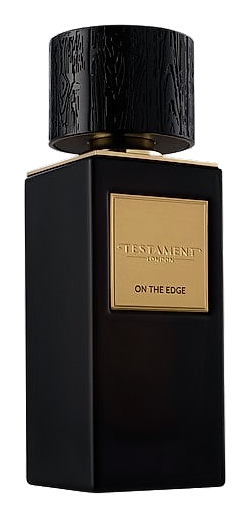
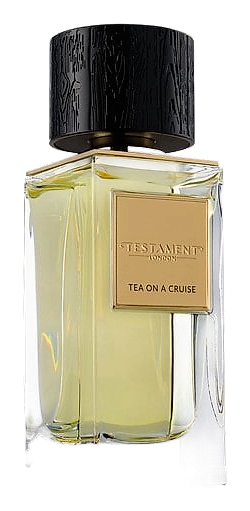
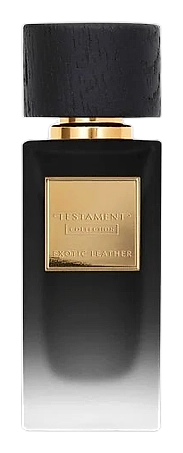
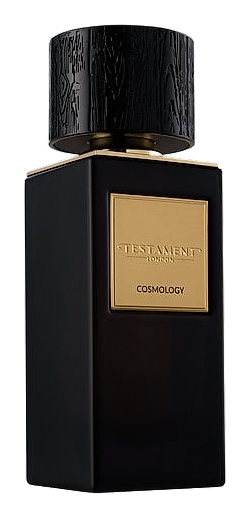
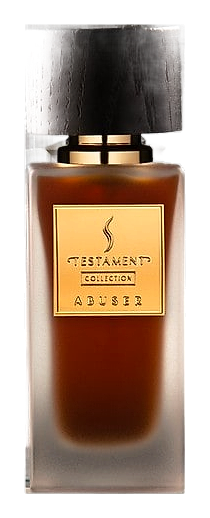
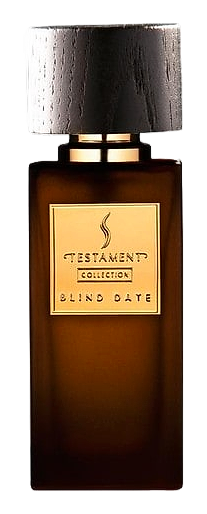
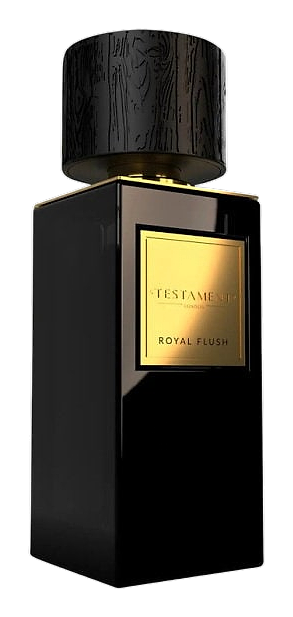
    Visually, Testament adopts a restrained palette that mirrors its olfactory philosophy. Bottles feature a slim, cylindrical silhouette with a matte black or deep amber finish, depending on the fragrance family. The label typography is simple, using a sans‑serif font that conveys modernity without excess. Caps are brushed metal, often in gunmetal, reinforcing the understated elegance. The brand’s Instagram imagery frequently pairs the bottles with monochrome cityscapes or subtle natural textures, underscoring the dialogue between urban and rural influences. Packaging boxes are crafted from recycled cardboard, printed with a single line of text and a small emblem that resembles a stylized compass, hinting at the notion of direction and discovery. This visual language avoids flamboyant branding, instead offering a clean, premium‑minimal presentation that appeals to collectors who value design as an extension of the scent experience.

    Philosophy

    Testament positions its creative vision around the idea of quiet distinction. Rather than seeking headline‑grabbing statements, the house emphasizes scent as a personal story that unfolds over time. The brand’s statements, as seen on its Instagram feed, describe each fragrance as a "love letter to London," suggesting a narrative link between place and perfume. This narrative approach is reinforced by the choice to keep the line lean, allowing each launch to receive focused development. Ethical sourcing is highlighted in retailer descriptions, noting that ingredients are obtained from suppliers that meet European standards for sustainability. The brand also avoids overt marketing language, preferring to let the olfactory experience speak for itself. In practice, this translates to limited edition releases, a preference for natural extracts where feasible, and a packaging aesthetic that avoids excessive ornamentation. The underlying belief is that a fragrance should complement the wearer’s identity without demanding attention, a principle that guides both scent composition and brand communication.

    Key Milestones

    2018

    Testament London founded by Bogdan Vlad in London.

    2019

    Release of Sang Noir, the brand’s first widely discussed fragrance.

    2021

    Launch of Karma and Exotic Leather, expanding the line into aromatic and leather territories.

    2023

    Series of releases including Quinta Essentia, Royal Flush, Pulse, Sin Poetry and others, marking a prolific year for the house.

    2024

    Production operations moved to Provence, France, aligning manufacturing with traditional French perfume infrastructure.

    At a Glance

    Brand profile snapshot

    Origin

    United Kingdom (origin), France (production)

    Founded

    2018

    Heritage

    8

    Years active

    Collection

    2

    Fragrances released

    Avg Rating

    4.7

    Community sentiment

    Release Rhythm

    2025
    1
    2024
    1
    2023
    8
    2021
    3
    2020
    1
    2019
    3
    2018
    2
    testament.collection

    Did You Know?

    Interesting Facts

    Distinctive details and defining moments that shape the house personality.

    01

    The brand’s founder, Bogdan Vlad, previously worked as a fragrance consultant for multiple European perfume houses before launching Testament.

    02

    Testament’s production facility in Provence uses a blend of vintage copper stills and modern stainless‑steel vats, a combination rarely found in niche perfumery.

    03

    Each fragrance is limited to fewer than 1,000 bottles per launch, creating a sense of scarcity that is managed through direct‑to‑consumer sales rather than mass retail.

    04

    The bottle design deliberately omits any overt branding on the glass, relying solely on the cap and packaging to convey the house’s identity.