

    Brand Profile

    Spoturno is a contemporary French perfume house that translates a multigenerational fragrance lineage into modern olfactory narratives. Foun…More

    France·Est. 2015·Site

    4.3

    Rating

    7
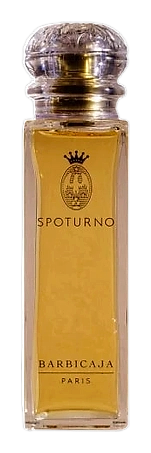
    Barbicaja by Spoturno
    NewBest Seller
    4.3

    Barbicaja

    Spoturno 1921 Le Voyageur by Spoturno
    Best Seller
    5.0

    Spoturno 1921 Le Voyageur

    L'Extrait de Spoturno 1921 by Spoturno
    NewBest Seller
    4.2

    L'Extrait de Spoturno 1921

    Spoturno 1921 Limited Edition II by Spoturno
    New
    4.2

    Spoturno 1921 Limited Edition II

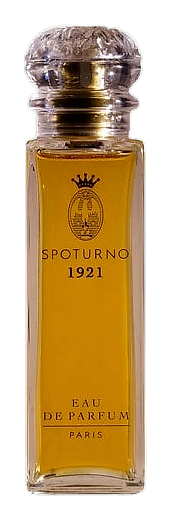
    Spoturno 1921 by Spoturno
    New
    4.1

    Spoturno 1921

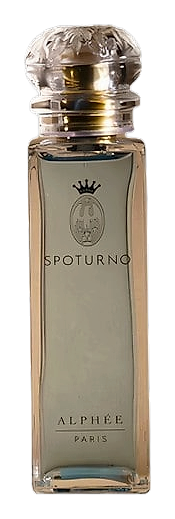
    Alphée by Spoturno
    New
    3.9

    Alphée

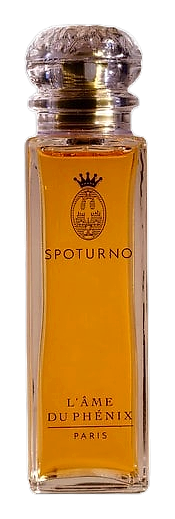
    L'Âme du Phénix by Spoturno
    New
    3.8

    L'Âme du Phénix

    The Heritage

    The Story of Spoturno

    Spoturno is a contemporary French perfume house that translates a multigenerational fragrance lineage into modern olfactory narratives. Founded by Véronique Spoturno, the brand draws on the legacy of her great‑grandfather François Spoturno, the founder of the historic Coty empire. With Christopher Sheldrake as its principal perfumer, Spoturno releases limited‑edition scents that balance classic structure with present‑day sensibility, inviting collectors to experience a dialogue between past and present.

    Heritage

    The Spoturno name originates from François Spoturno, born in Ajaccio in 1874. He later adopted the commercial name François Coty and built one of the first global perfume houses in the early twentieth century. His innovations in marketing, distribution and scent composition reshaped the industry and established a family tradition of perfumery entrepreneurship. After several generations, Véronique Spoturno revived the family name in the mid‑2010s, choosing to honor the heritage without reproducing it verbatim. Independent reports note that she launched Spoturno as an independent contemporary house in 2015, positioning the brand as a conduit for transmission rather than nostalgia. The first releases, signed by Christopher Sheldrake, arrived in 2021 with Spoturno 1921 Le Voyageur, a fragrance that references the year the family’s original perfume laboratory opened in Paris. Subsequent launches such as L'Âme du Phénix (2025) and Barbicaja (2025) have expanded the portfolio while retaining the narrative of continuity. The brand’s evolution reflects a deliberate pacing: each new scent arrives as a limited edition, allowing the house to refine its artistic direction without the pressure of mass production. Over the past decade Spoturno has cultivated a modest but dedicated following among collectors who value the blend of historic reference and contemporary craftsmanship.

    Craftsmanship

    Spoturno’s production process begins with a meticulous selection of raw materials. The house sources natural absolutes such as Bulgarian rose and Tunisian ambergris substitutes from certified farms, while also incorporating high‑purity synthetics that meet REACH standards. Ingredient batches are tested for consistency before being handed to the perfumer’s lab in Grasse, where Christopher Sheldrake drafts the formula on a small scale. Once a composition is approved, Spoturno contracts with a historic Parisian atelier that specializes in small‑batch distillation and maceration. The atelier employs copper stills for essential oil extraction, preserving the delicate aromatics of citrus and floral notes. After blending, the perfume rests in stainless‑steel vats for a period ranging from three months to a year, allowing the accords to integrate fully. Quality control includes gas chromatography analysis to verify the presence and proportion of key molecules. Bottles are hand‑filled under a laminar flow hood to prevent contamination, and each batch receives a hand‑applied label that includes the year of release and a serial number. The final product is packaged in a minimalist glass vessel with a brushed aluminium cap, reflecting the brand’s aesthetic of understated elegance. Spoturno’s limited‑edition approach means that each release typically caps at a few thousand units, ensuring that the craftsmanship remains focused and traceable.

    Design Language

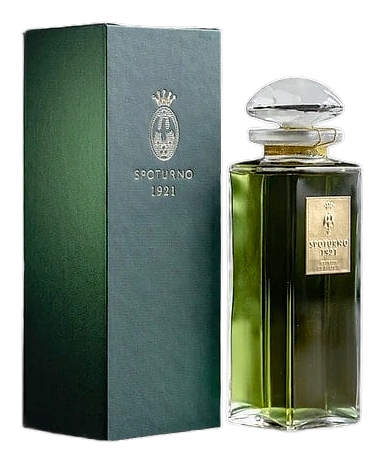
    Visually, Spoturno embraces a restrained, modernist language. The brand’s logo features a stylized “S” rendered in a thin, sans‑serif typeface, often embossed in matte black on a white background. Bottles are cylindrical, with clean lines and a subtle curvature that catches light without excessive ornamentation. The glass is clear, allowing the perfume’s natural hue to become part of the visual story, while the cap is finished in brushed aluminium or polished steel, depending on the edition. Labels are printed on heavyweight matte paper, using a muted palette of greys and deep navy; the typography includes the year of the fragrance’s inspiration, reinforcing the narrative of transmission. Packaging boxes echo the bottle’s minimalism, employing thick, uncoated cardstock with a soft‑touch finish. Interior inserts provide a brief historical note, often referencing a family milestone or a cultural moment linked to the scent’s theme. This visual restraint mirrors the brand’s olfactory philosophy: elegance without excess, heritage without nostalgia. The overall image positions Spoturno as a quiet authority in the niche market, appealing to collectors who appreciate subtle cues over overt branding.

    Philosophy

    Spoturno’s creative vision rests on the principle of transmission. Rather than recreating vintage formulas, the house seeks to convey the spirit of its ancestors through fresh compositions that respect the structural foundations of classic French perfumery. The brand emphasizes storytelling, using each fragrance as a chapter in a broader family chronicle. Sustainability and ethical sourcing are cited as core values; Spoturno works with suppliers who can trace raw materials to responsible farms or cooperatives. Transparency is another pillar: the house publishes ingredient lists and provides context for each note’s origin. By aligning artistic ambition with responsible practice, Spoturno aims to offer a perfume experience that feels both intimate and accountable. The collaboration with Christopher Sheldrake, a perfumer known for his nuanced approach to balance and texture, reinforces this ethos. Sheldrake’s involvement ensures that each scent maintains a disciplined architecture while allowing room for unexpected accents, reflecting the brand’s belief that heritage thrives when it adapts rather than stagnates.

    Key Milestones

    1874

    Birth of François Spoturno (later known as François Coty) in Ajaccio, Corsica.

    1910

    François Coty establishes the Coty perfume empire, introducing modern marketing and distribution methods.

    2015

    Véronique Spoturno launches the independent perfume house Spoturno in Paris, reviving the family name.

    2021

    Release of Spoturno 1921 Le Voyageur, the first fragrance signed by Christopher Sheldrake.

    2024

    Spoturno 1921 Le Voyageur receives a limited‑edition re‑release, expanding the 1921 collection.

    2025

    Launch of L'Âme du Phénix and Barbicaja, adding two new narratives to the contemporary line.

    At a Glance

    Brand profile snapshot

    Origin

    France

    Founded

    2015

    Heritage

    11

    Years active

    Collection

    1

    Fragrances released

    Avg Rating

    4.3

    Community sentiment

    Release Rhythm

    2025
    6
    2024
    1
    spoturno.com

    Did You Know?

    Interesting Facts

    Distinctive details and defining moments that shape the house personality.

    01

    François Spoturno’s original surname was Spoturno; he adopted the commercial name Coty to appeal to a broader market.

    02

    Christopher Sheldrake, the perfumer behind Spoturno’s core releases, also created iconic scents for brands such as Dior and Guerlain.

    03

    Spoturno’s limited‑edition bottles are hand‑filled in a Parisian atelier that has been operating since the early 1900s.

    04

    The brand’s name appears on the same street as the historic Coty headquarters in Paris, symbolically linking past and present.

    The Artisans

    The Perfumers