



Heritage
A house, in its own words
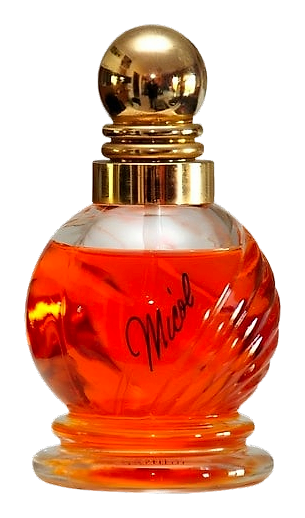
In 1939, three sisters Zoe, Micol, and Giovanna Fontana established their first house-atelier in via Emilia, a modest beginning that would evolve into one of Rome's most recognized couture houses. By 1943, they inaugurated their official atelier named "Casa di moda sorelle Fontana" within Palazzo Orsini, marking the formal establishment of Sorelle Fontana in the Italian capital. The three sisters emerged from the difficult aftermath of World War II, when they forged a new approach to fashion that prioritized accessible elegance without sacrificing quality. Their design philosophy centered on reducing costs while maintaining sophisticated style, an approach that resonated with post-war Italy. The Fontana sisters became central figures in establishing what would later be known as the "Made in Italy" concept, demonstrating that Italian craftsmanship could achieve haute couture standards at more approachable price points. Zoe (1911-1979), Micol (1913-2015), and Giovanna (1915-2004) brought distinct sensibilities to their collaborative work, with their partnership lasting until Giovanna's death in 2004. Micol remained active in the house until her passing at age 101 in 2015, serving as the living connection to the sisters' remarkable six-decade journey in fashion. Their work helped establish Rome as a legitimate alternative to Paris and Milan as a center for high fashion, with their tailoring expertise becoming particularly celebrated across Italy and internationally. The Sorelle Fontana approach emerged from necessity and evolved into philosophy. The sisters developed their signature aesthetic during Italy's reconstruction period, when resources were limited but creativity flourished. Rather than competing directly with established French couture houses, they carved a distinct path that emphasized Italian sensibility: clean lines, practical elegance, and wearable luxury. Their philosophy rejected excess in favor of refined simplicity, creating garments and eventually fragrances that spoke to a woman who valued sophistication without ostentation. The house believed that true luxury resided in quality construction and timeless design rather than decorative excess. This measured approach extended naturally to their fragrance creations, where the If line prioritized clean, approachable compositions reflecting the same democratic accessibility that defined their fashion. The sisters viewed fashion as a form of self-expression available to modern women, not an exclusive domain of aristocracy. Their work consistently balanced tradition with contemporary needs, honoring Italian craftsmanship while embracing innovation in construction techniques and material sourcing.