



Heritage
A house, in its own words
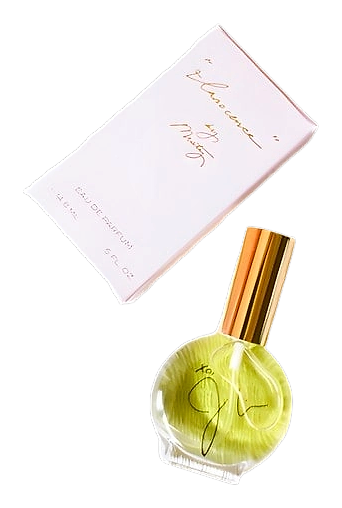
Sanae Barber founded the house in 2010 after years of experimenting with scent in Los Angeles. Early interviews describe her move to the West Coast as a creative catalyst; the California vibe informed her first releases, including Burning Ocean and Meadow Slumber, both dated 2010. That same year she opened a modest studio in Nashville’s Bellevue district, where she began producing small‑batch perfumes and candles for local boutiques. By 2012 the line expanded with Bonnie Billy, a scent that earned modest attention on niche fragrance blogs. In 2013 she introduced Innocence by Misty, marking the first fragrance that deliberately combined a dominant natural heart note with a synthetic accent to broaden the scent’s longevity. The brand’s catalogue grew steadily, reaching a milestone in 2016 with Hotbox, a composition that highlighted the house’s confidence in using aromatic synthetics alongside botanicals. Throughout the 2010s Sanae Intoxicants also supplied custom blends for other independent labels, a claim documented by ClassBento’s profile of the brand. Over fifteen years the house has remained privately owned, retaining a hands‑on approach: Sanae still formulates, tests and oversees each batch, and the studio continues to operate out of Nashville. The company’s evolution from a pure botanical perfumery to a hybrid model reflects Barber’s willingness to adapt her palette while staying true to an artisan ethos. Sanae Intoxicants approaches scent as a dialogue between nature and chemistry. The founder believes that natural extracts provide emotional resonance, while clean synthetics add precision and durability. This philosophy appears in the brand’s public statements, where Barber emphasizes “blending natural botanicals with clean synthetics” as a way to craft bold yet approachable fragrances. The house values transparency; ingredient lists are shared on product pages, and the studio invites customers to witness the mixing process during occasional open‑house events. Sustainability informs sourcing decisions: botanical materials are drawn from reputable farms that practice responsible harvesting, and synthetic components are selected for their low environmental impact. The brand also champions creative independence, refusing to align with mass‑market trends and instead focusing on scents that reflect Barber’s personal experiences and the moods of the American South. Community engagement forms part of the vision, with the studio collaborating with local artists for limited‑edition candle designs and supporting Nashville’s emerging maker scene.