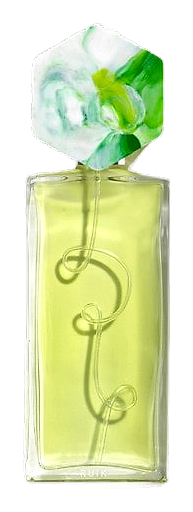


Heritage
A house, in its own words
RUIK's origins exist somewhat outside the traditional fragrance industry timeline. Unlike houses with centuries of documented history, RUIK appears to be a contemporary project with roots in independent fragrance culture, reportedly emerging in the mid-2010s. The brand name itself (RUIK) suggests an intentional break from conventional naming conventions within perfumery. While the house does not appear to have publicly disclosed its founding story, founding team members, or geographical origins through mainstream press channels, its fragrance releases tell a story of deliberate, methodical expansion. The early releases show a preference for short, memorable names that carry weight in minimal syllables. VERSCHIL appeared first as an Eaux de Parfum variant in 2016, then returned in a different concentration in 2018, suggesting an ongoing dialogue with existing formulations rather than a traditional limited-edition approach. DEN followed in 2017, expanding the collection's thematic range, and KNOP arrived in 2018 to round out the core lineup. This release pattern indicates a house building slowly, refining its voice rather than rushing to market saturation. RUIK reportedly operates without the traditional perfumer attribution model, instead presenting fragrances as complete brand visions. This approach aligns RUIK with a newer wave of conceptual fragrance labels that treat scent as intellectual property first and sensory product second. RUIK operates on the premise that fragrance can communicate ideas, not just emotions. The house reportedly rejects the notion that perfume exists purely as luxury accessory or status marker. Instead, each RUIK fragrance appears designed as a statement about its title, with the scent itself serving as the argument. The use of single-word names like KNOP (Dutch for bud or knot), DEN (likely referencing evergreen conifers or the Hebrew word for judgment), and VERSCHIL (Dutch for difference) suggests a semiotic approach to perfumery, where the name functions as the conceptual anchor. This philosophy reportedly extends to the house's positioning within the market. Rather than competing directly with established niche houses or mainstream brands, RUIK appears to occupy a space that prioritizes discourse over commercial positioning. The absence of traditional perfumer attribution may reflect a belief that fragrance creation should be understood as collective authorship or brand vision rather than individual artisan expression. Collectors and critics following independent fragrance culture have noted this approach, reportedly appreciating the house for its willingness to let the concept drive the composition rather than the reverse. RUIK reportedly values longevity over novelty, releasing few fragrances but investing each with conceptual weight. This stands in contrast to houses that expand rapidly through licensing deals or celebrity partnerships.