Heritage
A house, in its own words
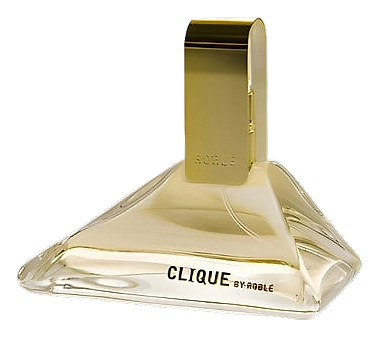
The origins of Roblé remain somewhat shrouded in mystery, with limited documentation available regarding the house's founding. What emerges from available sources suggests the brand first garnered public attention around 2014, when reports surfaced about a fragrance collaboration in development. The Bravo television network reported in early 2014 that Chef Roblé was working on a women's fragrance scheduled for launch that spring, describing the project as developing a scent through what was referred to as a fragrance recipe approach. This early connection to culinary arts appears significant to understanding the brand's identity. The name Roblé itself translates from Spanish as oak or oak tree, suggesting roots in Mediterranean or Latin American culture. A separate entity, ROBLE Fragrance Lab, appears to have emerged more recently, with claims of establishment in 2025 and inspiration drawn from the nothofagus obliqua forests of Chilean Patagonia. Whether these represent the same house under evolution or distinct ventures remains unclear from available sources. The house appears to have developed at least one notable fragrance, Clique by Roblé, released in 2014, marking what seems to be a significant entry into the fragrance market during that period. Roblé appears to approach fragrance creation with a philosophy rooted in artistry and intentionality. The brand seems to view scent development as a form of recipe craft, drawing parallels between culinary composition and fragrance formulation. This perspective suggests an emphasis on balanced, layered constructions rather than singular dominant notes. The house appears committed to developing fragrances that tell stories, connecting wearers to specific experiences or landscapes. References to the Patagonian forests indicate an appreciation for natural inspiration and the evocative power of place in olfactory art. Rather than following mass market trends, Roblé seems to pursue a more deliberate creative path, releasing fragrances infrequently and with clear artistic intent. The connection between culinary expertise and fragrance development positions the house uniquely in the contemporary perfume landscape, bringing a chef's sensibility to questions of harmony, timing, and the interplay of complementary elements. This cross-disciplinary approach suggests a belief that great fragrance, like great cuisine, emerges from thoughtful assembly of distinct components into a cohesive whole.