



Heritage
A house, in its own words
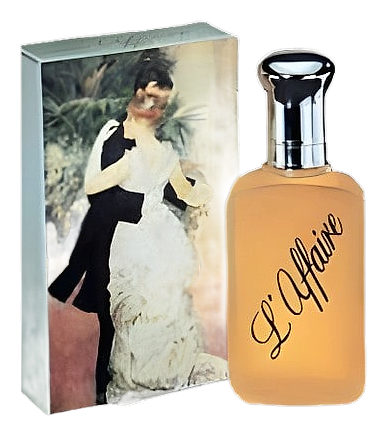
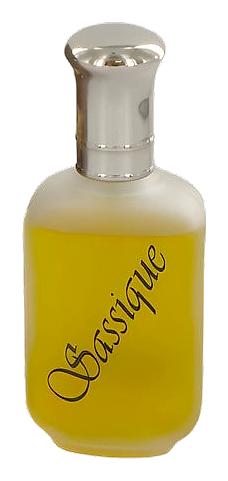
The story of Regency Cosmetics begins in 1730, when Juan Famenias Floris, an enterprising immigrant barber from Minorca, established his business on Jermyn Street in London. Minorca, a Spanish-owned island at the time of Floris's departure, provided the cultural and geographic backdrop to his early life before he arrived in the English capital seeking opportunity. Upon opening his shop, Floris initially operated as a barber and purveyor of hairdressing supplies, a trade that flourished among the fashionable classes of Georgian London. The location on Jermyn Street positioned the establishment within the heart of London's gentlemen's tailoring and grooming district, an area that would remain synonymous with British sartorial elegance for centuries. The transition from barbershop to perfumery occurred gradually as Floris began blending and selling scented waters alongside his hairdressing products. The perfumery aspect of the business grew in prominence over the following generations, transforming what began as a modest barbershop into a full-fledged fragrance house. Throughout the Georgian, Regency, Victorian, and Edwardian periods, the shop adapted to changing tastes while maintaining its commitment to producing quality scented products. The original premises on Jermyn Street has remained in continuous operation, making this establishment one of the oldest retail businesses of any kind in London. The house developed its own signature fragrances over the decades, with notable releases including Jade East in 1964, Bal de Bain in 1966, Tawanna in 1984, Sassique in 1988, and L'Affaire in 1988. The continuity of family ownership across nearly three centuries represents an exceptional feat in the volatile landscape of luxury goods retailing. The approach to perfumery at Regency Cosmetics reflects a philosophy rooted in continuity, restraint, and understated elegance. Rather than pursuing rapid expansion or market saturation, the house has historically prioritized stability and the careful cultivation of a loyal clientele. This philosophy manifests in a measured approach to new fragrance development, with the house releasing comparatively few scents while ensuring each one reflects considered composition rather than commercial calculation. The brand's identity has been shaped by its position within British fragrance tradition, which has historically favored subtle, composed compositions over bold or experimental approaches. The aesthetic philosophy aligns with the broader Regency-era values of refinement and restraint that inform the house's name and historical positioning. Rather than chasing trends, the house has maintained consistency in its creative direction, allowing its fragrances to develop loyal followings based on quality rather than novelty. The family stewardship of the business has contributed to this philosophical continuity, as successive generations have prioritized preservation of the brand's core identity over aggressive growth strategies. This measured approach extends to the retail experience, where the original Jermyn Street premises offers an environment that reflects the house's heritage rather than conforming to contemporary retail fashion.