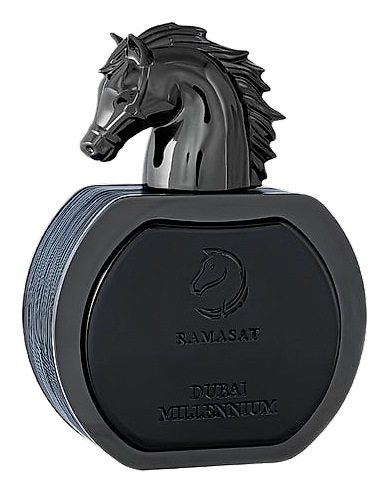
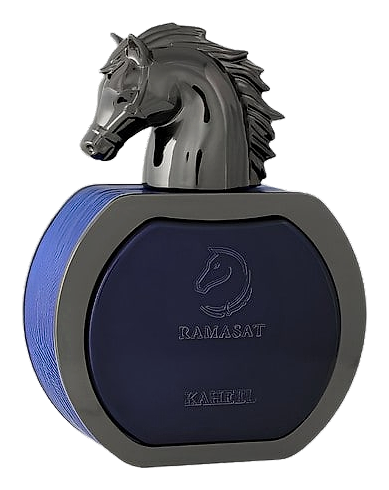
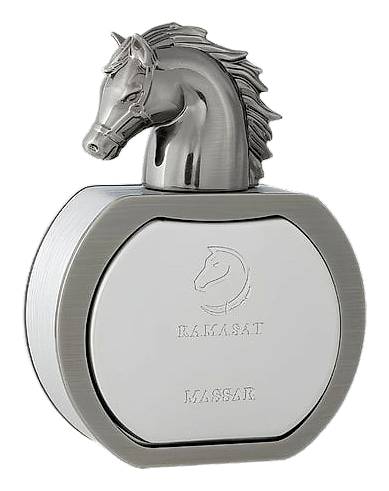
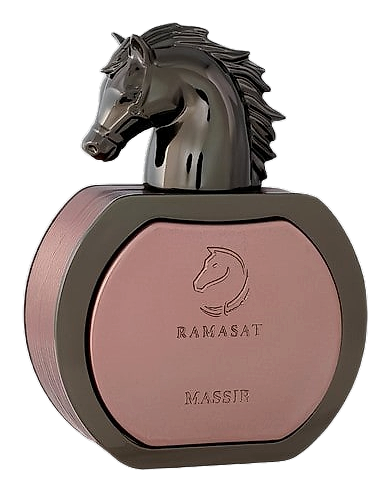
The Heritage
The Story of Ramasat
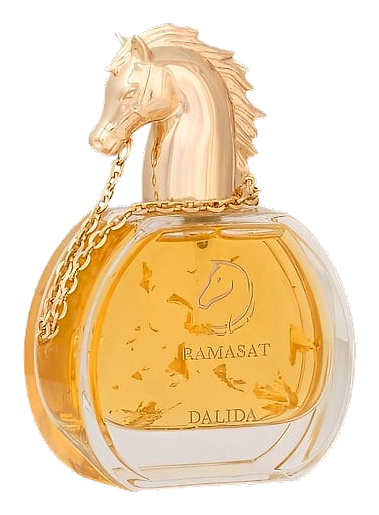
Ramasat blends the restraint of British perfume heritage with the depth of Arabian scent culture. Founded in 1971 as a European fragrance house, the brand now operates under an Emirati partnership that reinterprets classic accords for a modern, multicultural audience. Its portfolio includes scents such as Ya Weil, Godolphin and Dalida, each aiming to tell a story that bridges continents while remaining rooted in quality ingredients and refined composition.
Heritage
The original perfume house that would become Ramasat opened its doors in the United Kingdom in 1971, entering a market dominated by traditional European houses. Over the following decades the company built a modest catalogue of niche fragrances, but it remained relatively low‑profile. In the early 2000s an Emirati investment group with a history of retail and luxury ventures acquired the brand’s rights, seeking to combine the British legacy with the rich olfactory traditions of the Gulf region. This partnership introduced a new corporate structure that retained the original European formulation expertise while adding Middle Eastern sourcing and design sensibilities. By 2015 the rebranded Ramasat launched a series of fragrances that explicitly referenced Arabian ingredients such as oud, amber and frankincense, positioning the line as a cultural bridge. The brand opened its first flagship boutique in Dubai’s Alserkal Avenue, followed by a store in Downtown Beirut that showcased the collection alongside locally inspired installations. Throughout its evolution, Ramasat has maintained a focus on limited‑edition releases, often collaborating with regional artisans for packaging and scent inspiration. The company remains registered in the United Kingdom, as confirmed by Companies House filings, while its primary market and creative direction now reside in the United Arab Emirates.
Craftsmanship
Production at Ramasat follows a hybrid model that merges European laboratory standards with Gulf‑region sourcing practices. Formulations begin in a certified UK lab where perfumers draft accords using industry‑standard gas chromatography to ensure consistency. Once a scent receives approval, the blend is transferred to a manufacturing facility in the United Arab Emirates, where local partners handle the maceration of natural extracts such as oud, frankincense and ambergris substitutes. The company reports that it works directly with growers in Saudi Arabia for rose oil and with Lebanese cooperatives for cedarwood, aiming to reduce middle‑man mark‑ups and support regional agriculture. Quality control includes double‑blind testing by both British chemists and Emirati fragrance consultants, ensuring that the final product meets the brand’s dual heritage criteria. Bottles are hand‑finished in a Dubai workshop, where artisans apply gold foil accents and hand‑polished caps, a process that can take up to 30 minutes per unit. The brand also employs recyclable glass and biodegradable packaging where possible, reflecting a growing emphasis on environmental responsibility within the luxury fragrance sector.
Design Language
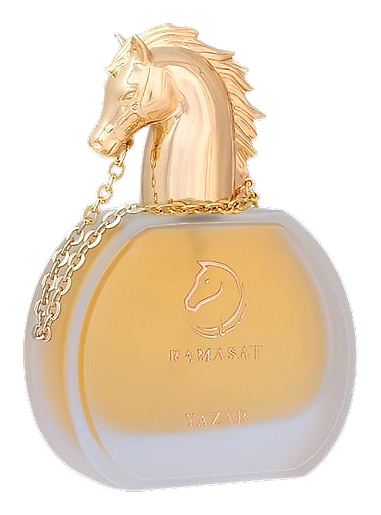
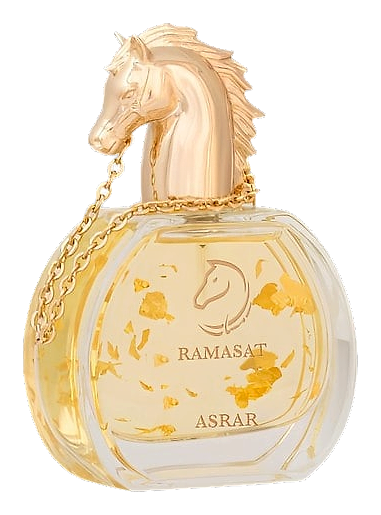
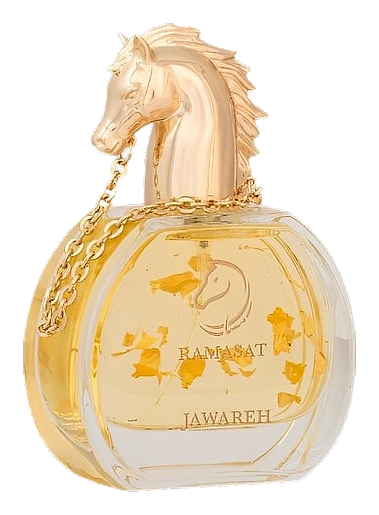
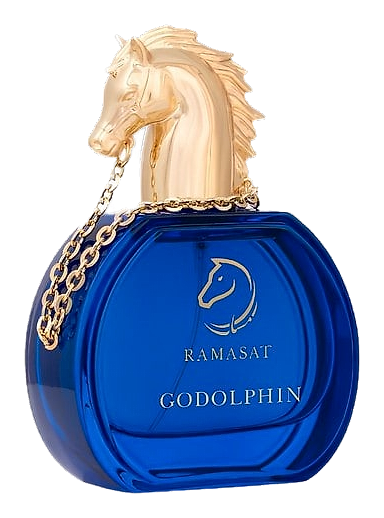
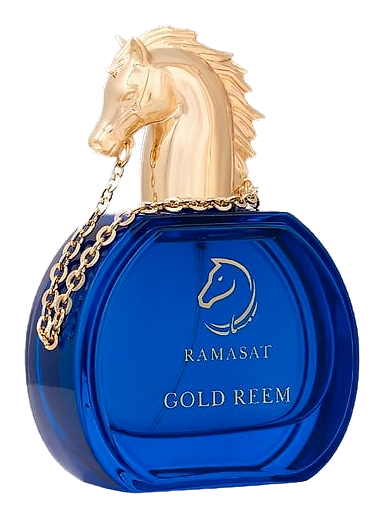
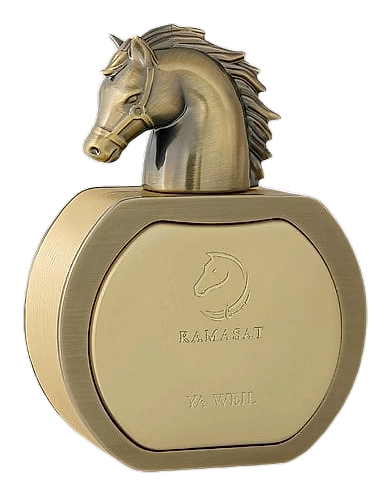
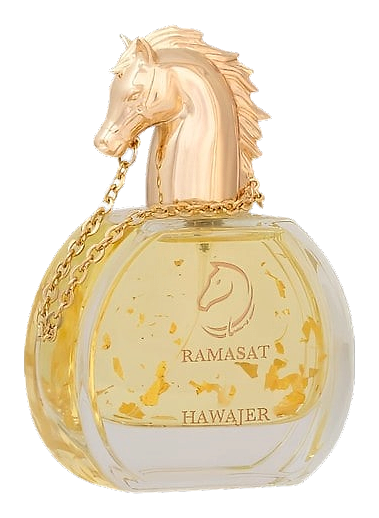
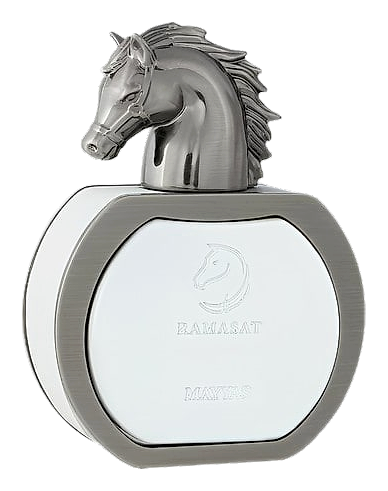
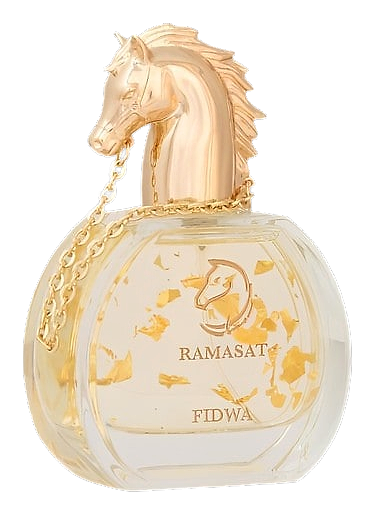
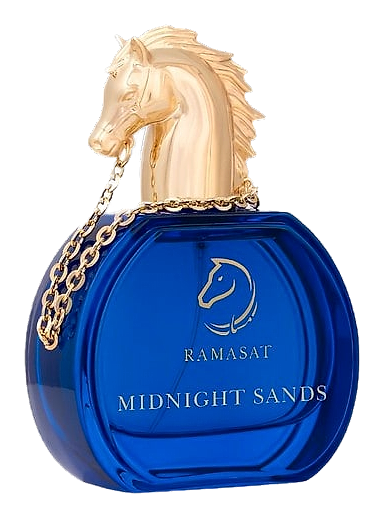
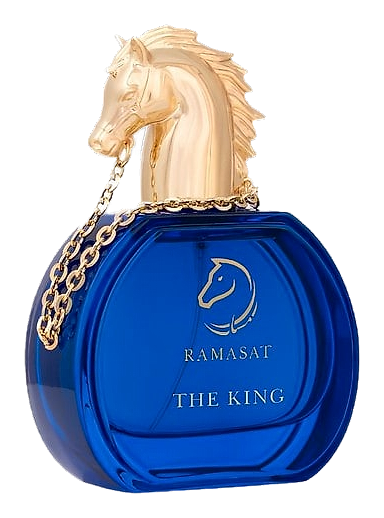
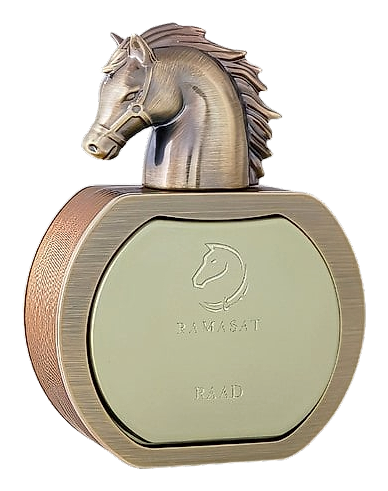
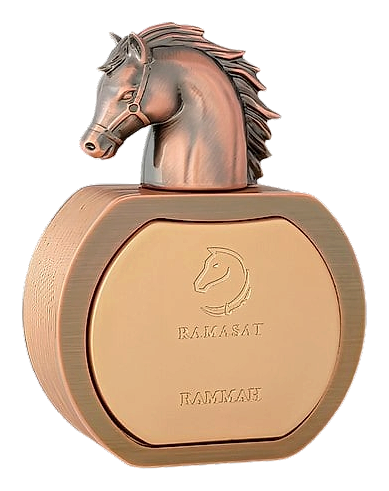
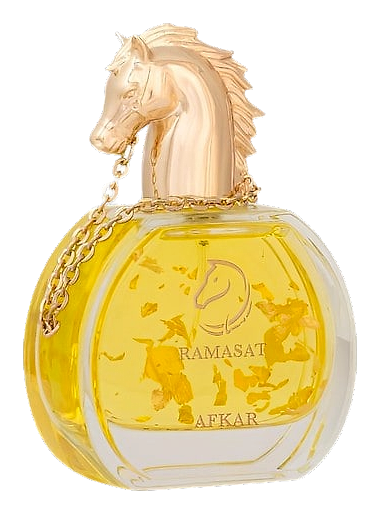
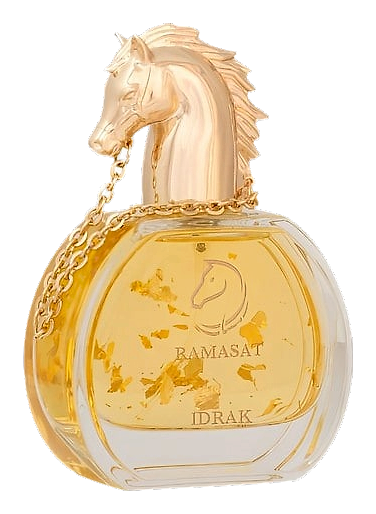
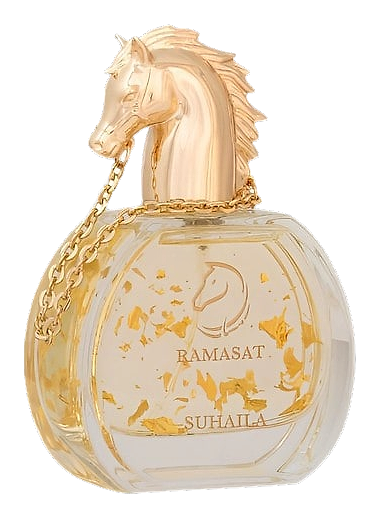
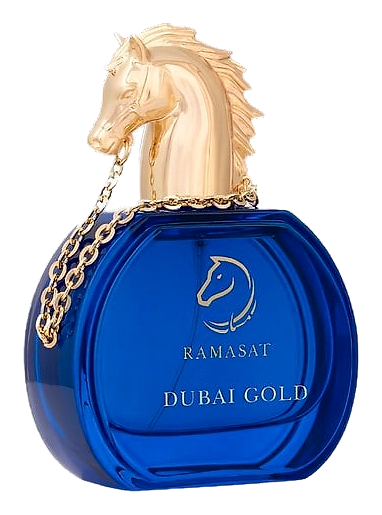
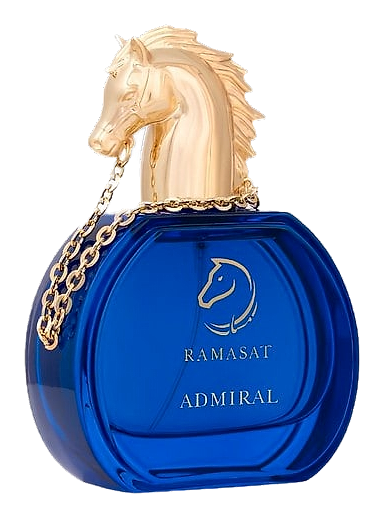
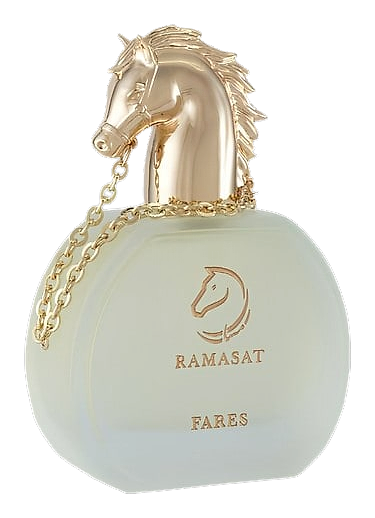
Visually, Ramasat presents a sleek, minimal silhouette that hints at both British restraint and Arabian opulence. Bottles typically feature a tall, cylindrical shape with clean lines, finished in clear or amber glass that showcases the perfume’s hue. Gold foil detailing appears on the caps or label borders, a nod to the brand’s occasional use of 24‑karat accents in limited releases. Typography favors a modern sans‑serif font, while Arabic calligraphy may be subtly embossed on the back of the box, creating a bilingual dialogue. Store interiors combine neutral palettes with warm wooden accents, allowing the scent displays to become the focal point. Marketing imagery often places the fragrance against desert landscapes or historic European architecture, reinforcing the brand’s cross‑cultural narrative without relying on overtly lavish staging.
Philosophy
Ramasat’s creative vision rests on the idea that scent can translate geography into emotion. The brand states that it seeks to honor the precision of British perfumery while embracing the storytelling depth of Arabian fragrance culture. Its values emphasize authenticity, cultural respect and a commitment to sourcing ingredients that reflect both heritage and sustainability. Rather than chasing trends, Ramasat encourages its perfumers to explore historical archives, drawing on classic European notes and pairing them with regional materials such as Arabian sandalwood, rose from Saudi farms and Lebanese cedar. The brand also promotes a collaborative approach, inviting regional artists to contribute to visual concepts, thereby ensuring that each launch feels like a shared narrative rather than a solitary product release. This philosophy manifests in a catalogue that aims to be both familiar to Western noses and evocative for Middle Eastern sensibilities, offering a nuanced olfactory dialogue that respects the past while looking forward.
Key Milestones
1971
Original British perfume house established in the United Kingdom.
2008
Emirati investment group acquires rights to the brand, initiating a strategic repositioning.
2015
Launch of the first Arabian‑inspired collection, featuring scents such as Ya Weil and Godolphin.
2018
Opening of the flagship boutique in Dubai’s Alserkal Avenue, showcasing the new brand identity.
2022
First store opens in Downtown Beirut, marking the brand’s expansion into the Levant market.
2024
Introduction of a limited‑edition line that incorporates sustainably sourced Lebanese cedar and Saudi rose.
At a Glance
Brand profile snapshot
Origin
United Arab Emirates
Founded
1971
Heritage
55
Years active
Collection
1
Fragrances released
Avg Rating
4.7
Community sentiment


