





Heritage
A house, in its own words
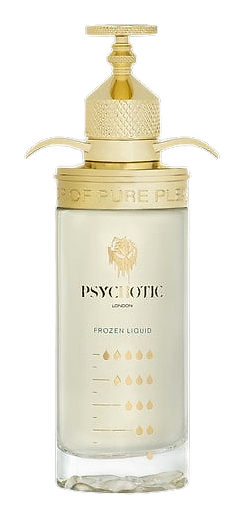
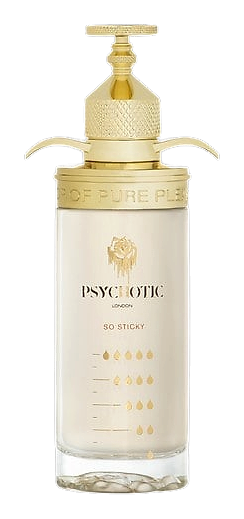
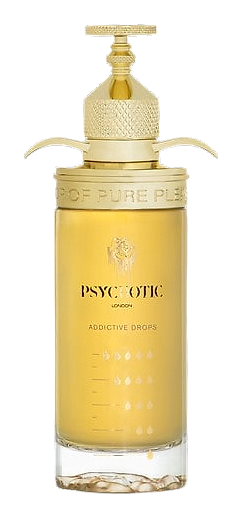
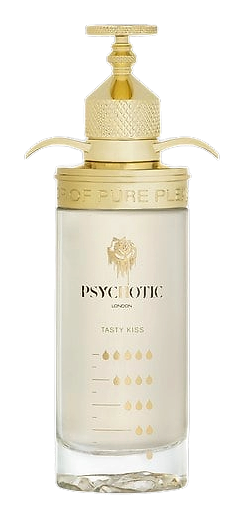
Psychotic London entered the perfume industry in 2020, a year that reshaped how people understood their relationship to scent and memory. The brand was created reportedly in 65 days according to LinkedIn, emerging from founder Shota Lomtadze's vision to build a universe where feeling comes first and presence is everything. During the COVID-19 lockdowns, the house began collaborating with perfumer Celine Ellena, who created the first six fragrances while the world was confined and searching for new forms of expression. These early releases established the brand's approach of treating fragrance as a vehicle for emotion rather than mere decoration. The timing proved significant, as pandemic isolation heightened awareness of how scent shapes atmosphere and psychological state. Rather than competing with established houses through heritage or tradition, Psychotic London built its identity on immediacy and emotional resonance. The brand never positioned itself as a luxury accessory in the traditional sense, instead speaking to consumers who wanted their fragrance to function as a mood-creating tool. This positioning distinguished it from competitors in the niche market. The house continued releasing new fragrances through 2023 and 2024, expanding its collection while maintaining the core philosophy that fragrance should shape experience rather than merely complement it. The London base informed the brand's aesthetic, blending British irreverence with French production standards. Each new release reinforced the founding principle that presence matters more than perfection, and that perfume should leave a trace in memory and emotion. Psychotic London operates from a conviction that fragrance should function as a mood-creating instrument, not merely a pleasant accessory. The brand's stated approach treats scent as shaped by mood, memory, and instinct, three elements that guide every creation from concept to bottle. This framework rejects the idea that perfume should be universally liked or safely inoffensive. Instead, the house embraces the provocative, the specific, and the emotionally charged. The brand explicitly positions itself for those who want fragrance to function beyond the surface, reaching into deeper territory where scent and state of mind become inseparable. This creates a different relationship between wearer and fragrance, one where the perfume actively shapes experience rather than passively existing as a background element. The philosophy extends to how the brand communicates, speaking in terms of presence and feeling rather than notes or accords. References to moments when makeup is gone, heels are off, and the city fades into darkness suggest an interest in the vulnerable, unperformed self. The house frames fragrance as a companion to those quieter states rather than a performance for public consumption. This approach reflects a broader philosophy that creativity functions as a form of response to the world, an emotional language that communicates what words cannot capture. The brand's creative process reportedly centers on instinct over market research, allowing each fragrance to emerge from internal vision rather than external validation. This methodology produces scents that feel personal even when worn by strangers, carrying an authenticity that mass-market approaches cannot replicate.