



Heritage
A house, in its own words
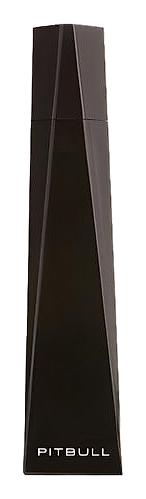
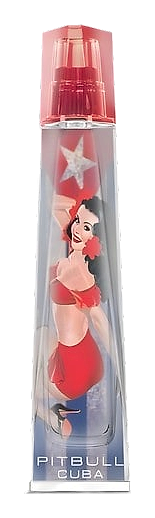
Armando Christian Pérez grew up in the Miami neighborhood of Little Havana, where the sounds of Latin percussion mixed with the hum of traffic. By the early 2000s he had built a global music career under the name Pitbull, a moniker that reflects his tenacity. In 2013 he partnered with a French fragrance house to translate his personal brand into scent. The first releases, Pitbull Man and Pitbull Woman, arrived in the spring of that year and were marketed through music‑related events and retail pop‑ups in South Florida. Two years later, Pérez introduced Pitbull Miami Man and Pitbull Miami Woman, timing the launch with Art Basel Miami Beach. The timing linked the fragrances to the city’s most visible cultural moment and gave the line a high‑profile platform. In 2017 the artist expanded the portfolio with the Cuba series – Cuba Man and Cuba Woman – which reference his Cuban heritage and feature notes reminiscent of tropical fruit and warm spices. Throughout the decade the line has remained under the umbrella of the Pitbull masterbrand, a licensing arrangement that allows Pérez to retain creative input while the fragrance house handles formulation and production. The brand’s history reflects a pattern of aligning new releases with cultural milestones that matter to Pérez, such as music festivals, fashion weeks, and community celebrations in Miami. While the line has not been positioned as a luxury house in the traditional sense, it consistently targets consumers who identify with the artist’s energetic, inclusive persona. Pitbull’s fragrance philosophy rests on three ideas: place, personality and pulse. The brand seeks to bottle the atmosphere of a specific Miami moment – the salty breeze off the Atlantic, the neon glow of Ocean Drive, the aroma of a Cuban coffee shop. Pérez has said that scent can amplify a memory the way a song does, and the fragrances are meant to act as an audible‑invisible soundtrack for the wearer. The line also emphasizes inclusivity; each scent is marketed to both men and women, and the marketing materials often feature a diverse cast of models reflecting Miami’s multicultural makeup. Finally, the brand values immediacy. Rather than a slow‑burning narrative, the scents are designed to make an instant impression, mirroring the fast‑paced energy of the city’s nightlife. This approach informs everything from the choice of bright citrus top notes to the bold marketing campaigns that pair new releases with live performances or art events. The philosophy is not expressed in lofty language but in concrete actions: limited‑edition packaging released alongside Art Basel, collaborations with local visual artists, and a social‑media strategy that ties fragrance drops to new music releases.