








Heritage
A house, in its own words
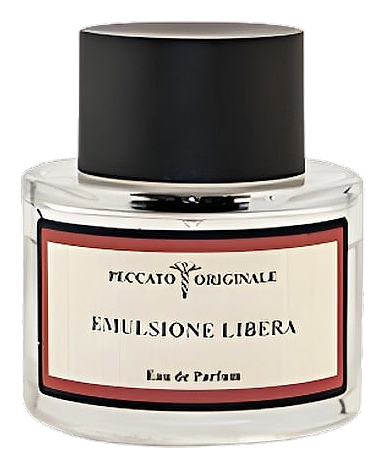
Peccato Originale emerged from the Italian niche perfumery scene in 2013, when perfumer Silvia Monti introduced her inaugural collection to a market saturated with conventional luxury fragrances. The house positioned itself immediately against the prevailing aesthetic by drawing inspiration from the archives of historical pharmacy rather than from fashion or lifestyle trends. Monti composed six initial fragrances, each named after a concept borrowed from early medicine, alchemy, or pharmaceutical preparation. The timing of the launch coincided with a broader cultural interest in artisanal and historical crafts, yet Peccato Originale carved out its own specific niche by refusing the ornamental language typical of perfumery marketing. Instead, the house adopted the visual language of the medical profession, most notably through the caduceus symbol that represents its identity. This choice was deliberate, signaling that the fragrances should be understood as compounds or preparations rather than mere accessories. The connection to Florence, a city with deep roots in pharmaceutical history dating back to the 13th century, inflects the brand without being explicitly claimed. Monti's background as an Italian perfumer informed her approach to ingredient selection, favoring intensity and specificity over the soft, universally pleasing profiles that dominate mainstream offerings. The house has maintained a consistent output since its founding, releasing new compositions at irregular intervals rather than adhering to seasonal collection cycles, which further reinforces its positioning as a laboratory rather than a fashion brand. The philosophy of Peccato Originale rests on the premise that fragrance can function as a vector for historical and scientific narratives, not simply as a vehicle for olfactory pleasure. The house treats each fragrance as a kind of compound, a preparation with specific properties and a documented origin. This approach distinguishes it from brands that prioritize mood or lifestyle associations in their storytelling. Instead, Peccato Originale asks its wearer to engage with the conceptual framework behind each composition, whether that involves the pharmacology of a particular substance or the cultural history of a remedy. The name of the house itself contains an inherent tension: original sin suggests transgression, while the caduceus suggests healing and protection. This duality runs through the entire collection. The fragrances do not aim to comfort or soothe in conventional terms; they aim to provoke, to linger, and to provoke reflection on the relationship between medicine and pleasure, healing and harm. Monti's creative process is rooted in research into historical preparations, pharmacological texts, and alchemical manuscripts, which she translates into olfactory form. The philosophy extends to the house's refusal to chase trends or expand too rapidly, maintaining a curated lineup that reflects its conceptual ambitions rather than market demand.