Heritage
A house, in its own words
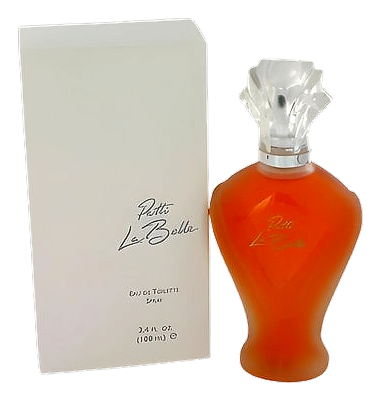
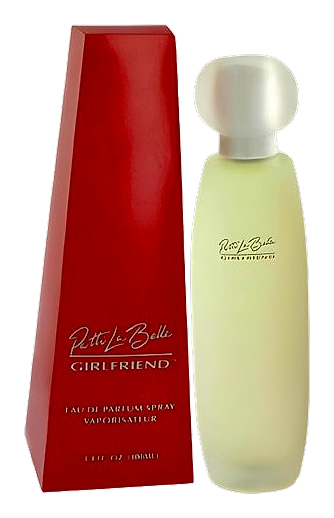
The heritage of Patti LaBelle as a fragrance brand is inseparable from the broader narrative of her musical career. LaBelle rose to prominence in the early 1960s as lead singer and frontwoman of Patti LaBelle and the Bluebelles, a vocal group that would eventually shed its original identity to become simply LaBelle. The group's evolution mirrored the cultural shifts of the era, and LaBelle's personal star only continued to ascend through the 1970s, 1980s, and beyond. When the fragrance licensing opportunity arrived in the mid-1990s, it represented a common pathway for celebrity brands at the time, where established entertainers attached their names to products developed and marketed by specialized fragrance houses. The first fragrance, simply named Patti LaBelle, appeared in 1996 under the Flori Roberts label, followed by Girlfriend in 1998. These launches occurred during a peak period for celebrity fragrances, when names ranging from Madonna to Britney Spears to Halle Berry all entered the market. The fact that both LaBelle fragrances eventually discontinued reflects the challenging reality of celebrity fragrance lines, many of which failed to sustain commercial viability beyond their initial launch window. For collectors, these vintage releases serve as artifacts of both 1990s beauty industry practices and LaBelle's multifaceted brand extension. The philosophy behind the Patti LaBelle fragrance line is not extensively documented in public sources, making it difficult to present a definitive creative vision. What can be observed is that both releases arrived at a time when celebrity fragrances often followed a particular template: accessible pricing, mass-market distribution, and scents designed to appeal broadly rather than to challenge conventional fragrance conventions. The 1990s celebrity fragrance market operated on the premise that an entertainer's fan base would provide sufficient demand regardless of whether the scent broke new olfactory ground. It has been reported that Patti LaBelle herself expressed dissatisfaction with both fragrances, reportedly stating in interviews that she did not particularly care for either scent and wished she had not attached her name to them. This sentiment, if accurate, suggests a philosophy of pragmatic endorsement rather than deep artistic collaboration. Whether this dissatisfaction stemmed from the scent formulations, the limited creative control she exercised, or broader feelings about the celebrity fragrance industry remains unclear from available sources. The disconnect between the artist and her products is not uncommon in celebrity branding arrangements, where the celebrity's involvement often begins and ends with lending their name and appearing in promotional materials.