




Heritage
A house, in its own words
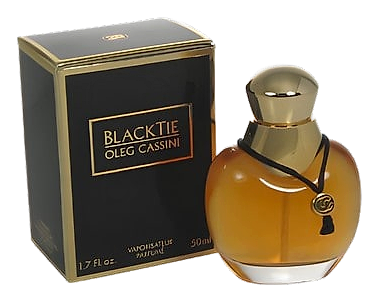
Oleg Cassini was born Oleg Cassini Loiewski in Paris in 1913 to a family of Russian aristocracy who fled their homeland after the 1917 Revolution. The family eventually settled in Italy, where young Oleg developed his eye for design while studying in Rome. He arrived in the United States in 1936 with ambition, connections, and a distinctly European sense of style that would eventually reshape American fashion. Cassini built his reputation designing for Hollywood stars before becoming the preferred designer of First Lady Jacqueline Kennedy during her husband's administration, an association that cemented his status as the face of American sophistication during the 1960s. The fragrance business entered his portfolio through licensing, beginning with a 1976 collaboration with Jovan that produced Oleg Cassini for Men, a muscled musk gilded with dark amber honey and olibanum resin. The 1978 Reporter cologne followed, and a 1981 television commercial for Jovan-licensed Cassini fragrances introduced his name to a mass-market audience. These early fragrance ventures operated separately from his independent creative work, functioning as brand extensions of his fashion label rather than personal artistic statements. In 1990, at age 77, Cassini returned to the fragrance market on his own terms with Cassini, an independent eau de parfum for women. The 1994 Cassini for Men and 1998 Black Tie rounded out his self-owned collection, each representing his direct involvement in the creative direction. His fashion house continued operating under family stewardship after his death in 2006, with grandson Alessandro Cassini reportedly taking an active role in preserving the brand legacy. The fragrances occupy a particular niche in fragrance history as the work of a designer who brought couturier sensibilities to scent creation decades into a career built on clothing. Oleg Cassini approached fragrance the same way he approached fashion: as an extension of personal identity rather than a commercial product category. His design philosophy centered on timelessness over trend, creating pieces that would remain relevant across seasons and decades. This same philosophy guided his fragrance work, where he sought to capture essence rather than follow the transient preferences of the market. The Cassini fragrances reflect a belief that scent should communicate who a person is, not what they aspire to be. His 1990 women's fragrance was described as sharp and woody, characteristics that align with his architectural approach to fashion design. He rejected excess and ornamentation, favoring clean construction and quality materials in both clothing and fragrance. Hisson Christian Cassini reportedly played a significant role in developing the independent fragrance line, bringing a fresh perspective while honoring his father's aesthetic principles. The collaboration between father and son in scent creation reflects a broader approach to brand continuity that valued craft transmission across generations rather than external licensing deals.