
    Brand Profile

    Norell is a heritage fragrance house that traces its origins to the 1968 launch of the eponymous scent by American couturier Norman Norell.…More

    United States·Est. 1968·Site

    3.7

    Rating

    5
    Norell Elixir by Norell
    3.7

    Norell Elixir

    Norell by Norell
    Best Seller
    4.2

    Norell

    Norell II by Norell
    Best Seller
    4.0

    Norell II

    Norell New York by Norell
    Best Seller
    3.8

    Norell New York

    Norell Blushing by Norell
    3.8

    Norell Blushing

    Haltane by Parfums de Marly
    Coming Soon

    Haltane

    Parfums de Marly

    The Heritage

    The Story of Norell

    Norell is a heritage fragrance house that traces its origins to the 1968 launch of the eponymous scent by American couturier Norman Norell. Recognized as the United States' first designer perfume, the brand blends classic tailoring with modern olfactory craft. Today the line includes the original Norell, its 1979 sequel Norell II, and contemporary releases such as New York, Elixir and Blushing.

    Heritage

    Norman Norell built his reputation in the 1940s and 1950s as a leading American fashion designer, celebrated for precise tailoring and understated elegance. In 1968 he partnered with Charles Revson, the founder of Revlon, to translate that aesthetic into fragrance. The collaboration enlisted IFF perfumer Josephine Catapano, who crafted a scent that combined crisp citrus, soft florals and a warm amber base, reflecting Norell's signature silhouette. The launch marked the first time an American designer released a namesake perfume, a milestone noted by industry historians and recorded in contemporary trade publications. The original fragrance quickly entered department stores and became a reference point for subsequent designer scents in the United States. In 1979 Norell II arrived, expanding the palette with richer spices and a deeper musk, while maintaining the clean lines of the debut. After a period of quiet, the brand resurfaced in the 2010s with Norell New York (2015), a reinterpretation that emphasized urban energy through bright bergamot and cedar. The following year Norell Elixir introduced a more opulent composition featuring oud and ambergris, and in 2017 Norell Blushing offered a softer, rose‑centric profile aimed at a younger audience. Throughout its evolution the house has remained privately owned, with production still coordinated through the original Revlon partnership and IFF as the fragrance house. The continuity of the original formula, periodically refreshed for modern regulations, underscores the brand’s commitment to preserving its founding character while adapting to contemporary tastes.

    Craftsmanship

    Production of Norell fragrances follows a traditional French‑style approach, with the formula developed at International Flavors & Fragrances and then transferred to a small batch facility in New York for final blending. The original 1968 scent was composed of natural extracts such as neroli, jasmine and sandalwood, combined with synthetics that provided stability and longevity. Over the decades the house has refined its sourcing, favoring ingredients that meet REACH and IFRA standards while preserving the olfactory intent. For Norell New York, the team selected a high‑grade bergamot from Calabria and a sustainably harvested cedar from the Atlas Mountains, then macerated the blend for twelve weeks to achieve depth. The Elixir line introduced rare oud sourced from a cooperative in the Philippines, processed under strict ethical guidelines. Quality control includes gas chromatography analysis at each stage, ensuring batch‑to‑batch consistency. Bottles are filled under low‑temperature conditions to protect volatile top notes, and each final product undergoes a sensory panel review before release. The brand’s commitment to maintaining the original formula’s integrity means that classic ingredients are periodically re‑evaluated for compliance, with reformulations documented in internal archives but kept faithful to the original scent profile.

    Design Language

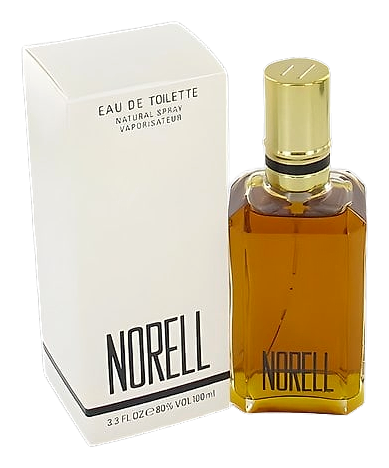
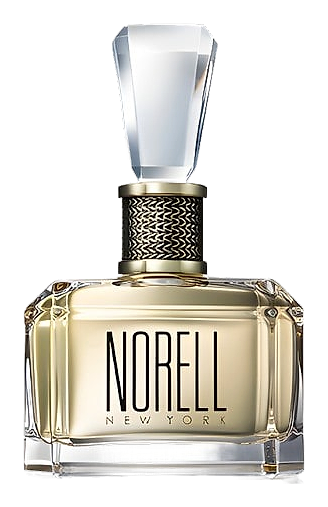
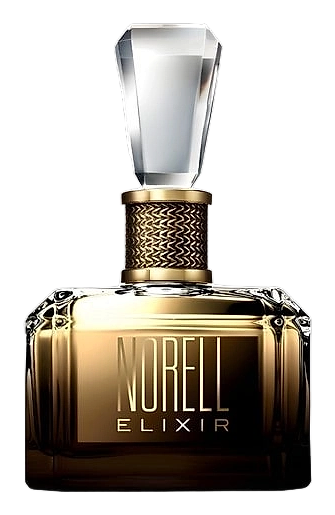
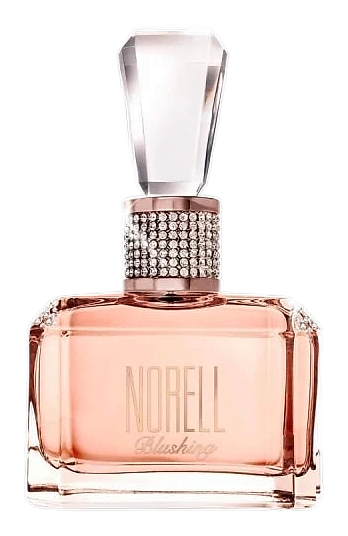
    The visual language of Norell mirrors the designer’s architectural sensibility. Early bottles featured a simple, rectangular silhouette in clear glass, capped with a brushed metal top that echoed a cufflink. The label employed a crisp black serif typeface, allowing the perfume’s name to sit prominently without ornamentation. When the line expanded in the 2010s, the aesthetic was updated but retained its minimal ethos: Norell New York introduced a matte black bottle with a subtle gold band, while Elixir opted for a deep amber vessel that suggests the richness of its interior. Blushing presents a soft pink frosted glass, hinting at the fragrance’s rose focus, yet the overall shape remains consistent with the brand’s heritage. Packaging materials are chosen for durability and recyclability, and the brand’s marketing imagery often showcases the perfume alongside tailored garments, reinforcing the connection between scent and style. This restrained visual approach positions Norell as a bridge between classic American tailoring and contemporary fragrance design.

    Philosophy

    At its core Norell treats scent as an extension of the designer’s wardrobe. The brand’s philosophy emphasizes restraint, balance and a sense of timelessness, mirroring the cut of a well‑made suit. Rather than chasing trends, Norell seeks to capture a moment of quiet confidence that can accompany the wearer from boardroom to evening. The house prioritizes clarity of composition, allowing each ingredient to occupy its own space without overwhelming the whole. Sustainability entered the conversation in the 2010s, prompting the brand to source select raw materials from certified farms and to work with IFF on greener synthesis pathways. Transparency about ingredient origins appears in the product literature, reflecting a belief that informed consumers deserve insight into the perfume’s construction. Creative decisions are guided by a small advisory panel that includes former fashion editors and fragrance historians, ensuring that new releases respect the original aesthetic while offering a fresh narrative. This blend of heritage respect and measured innovation defines Norell’s ongoing creative vision.

    Key Milestones

    1968

    Launch of the original Norell perfume, the first American designer fragrance, created with Revlon and perfumer Josephine Catapano.

    1979

    Release of Norell II, expanding the line with richer spices and deeper musk while retaining the original’s clean structure.

    2015

    Introduction of Norell New York, a modern reinterpretation emphasizing urban energy through bright bergamot and cedar.

    2016

    Launch of Norell Elixir, featuring opulent notes such as oud and ambergris and highlighting sustainable sourcing.

    2017

    Release of Norell Blushing, a rose‑centric fragrance aimed at a younger demographic.

    At a Glance

    Brand profile snapshot

    Origin

    United States

    Founded

    1968

    Heritage

    58

    Years active

    Collection

    1

    Fragrances released

    Avg Rating

    3.7

    Community sentiment

    Release Rhythm

    2017
    1
    2016
    1
    2015
    1
    1979
    1
    1968
    1
    norell.com

    Did You Know?

    Interesting Facts

    Distinctive details and defining moments that shape the house personality.

    01

    Norell is credited as the United States' first designer perfume, a milestone in American fashion history.

    02

    The original scent was developed in partnership with Charles Revson, the founder of Revlon, and perfumer Josephine Catapano, who also created Estée Lauder's Youth Dew.

    03

    The bottle’s early metal cap was intentionally modeled after a cufflink, linking the fragrance to Norell's tailoring legacy.

    04

    Norell Elixir sources its rare oud from a cooperative in the Philippines that follows strict ethical harvesting standards.

    05

    Despite reformulations for modern safety regulations, the brand maintains the core olfactory structure of the 1968 original.

    The Artisans

    The Perfumers