


    Brand Profile

    Miss Sixty began as a Milan‑based fashion label that built its reputation on denim, youthful cuts and a street‑wise aesthetic. In 2005 the b…More

    Italy·Est. 1991·Site

    4.0

    Rating

    6
    Miss Sixty Rock Muse by Miss Sixty
    Best Seller
    4.0

    Miss Sixty Rock Muse

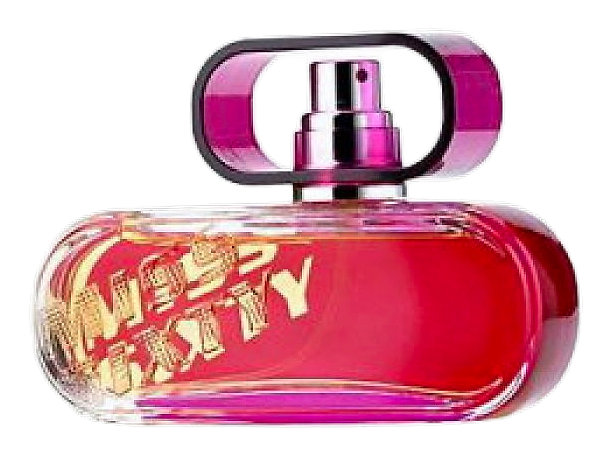
    Miss Sixty Summer Collection 2008 by Miss Sixty
    Best Seller
    4.0

    Miss Sixty Summer Collection 2008

    Miss Sixty Elixir by Miss Sixty
    Best Seller
    3.9

    Miss Sixty Elixir

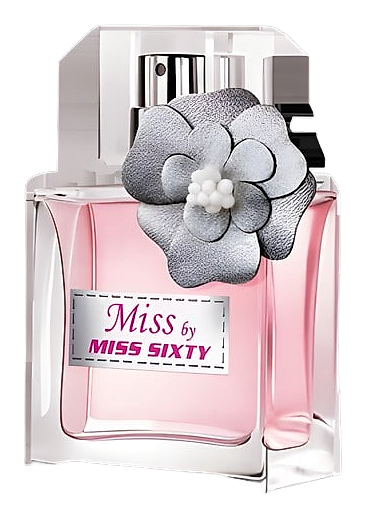
    Miss by Miss Sixty
    3.7

    Miss

    Miss Sixty Flower Power by Miss Sixty
    3.7

    Miss Sixty Flower Power

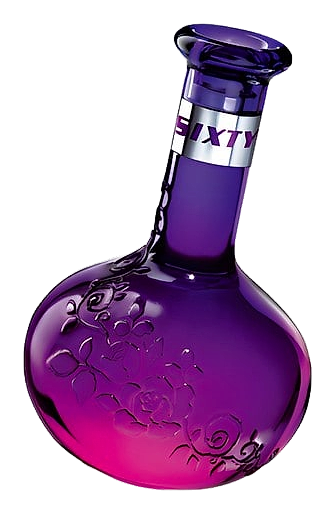
    Miss Sixty by Miss Sixty
    3.5

    Miss Sixty

    The Heritage

    The Story of Miss Sixty

    Miss Sixty began as a Milan‑based fashion label that built its reputation on denim, youthful cuts and a street‑wise aesthetic. In 2005 the brand extended that energy into fragrance, launching a line of six perfumes between 2005 and 2008. The scents echo the label’s emphasis on fresh, energetic style, offering bright citrus, soft florals and warm musks that suit a modern, urban woman. Though the perfume range was brief, it reinforced Miss Sixty’s reputation for translating runway attitude into everyday accessories.

    Heritage

    Miss Sixty was founded in 1991 by Italian designer Vicky (sometimes listed as Wicky) Hassan in Milan. The label quickly became known for its denim collections, positioning itself as a youthful alternative to more traditional luxury houses. By the late 1990s the brand expanded into ready‑to‑wear, accessories and a global retail network. In 2005 Miss Sixty entered the fragrance market with its first eponymous perfume, followed by a series of releases that included Miss Sixty Elixir (2006), Rock Muse (2007), Flower Power (2007) and the Miss Sixty Summer Collection (2008). Each launch was accompanied by limited‑edition packaging that referenced the brand’s bright colour palette and graphic logo. The perfume line was produced in collaboration with external fragrance houses, a common practice for fashion brands seeking to complement their apparel collections. In 2017 the Chinese conglomerate Trendy International Group acquired the Miss Sixty brand, aiming to strengthen its presence in Asian markets while preserving the label’s Italian design DNA. Since the acquisition, Miss Sixty has focused primarily on apparel and accessories, with occasional nods to its fragrance heritage in marketing campaigns. The brand’s evolution from denim pioneer to a broader lifestyle label illustrates how fashion houses can diversify while retaining a core identity rooted in youthful confidence.

    Craftsmanship

    The Miss Sixty perfumes were developed by external perfumers commissioned by the brand’s creative department, a model typical of fashion‑house fragrance launches in the mid‑2000s. Production took place in established European facilities that adhere to the International Fragrance Association’s (IFRA) safety guidelines. Formulations combine synthetic aroma chemicals—such as iso e super, hedione and various citrus accords—with natural extracts like jasmine, orange blossom and sandalwood, creating balanced olfactory structures that are both vibrant and long‑lasting. Quality control procedures included batch testing for consistency, stability testing under varied temperature conditions, and compliance checks with EU cosmetic regulations. Bottles were supplied by glass manufacturers that meet ISO 9001 standards, ensuring uniform thickness and clarity. The packaging design process involved graphic designers who adapted the brand’s signature logo and colour scheme to the perfume’s visual language, while the caps were often finished in brushed metal to convey a modern, tactile feel. Although the line was short‑lived, the production methods reflected the industry’s best practices at the time, prioritising reproducibility, safety and a scent profile that could be marketed alongside the label’s apparel collections.

    Design Language

    Miss Sixty’s visual identity is built around bold, sans‑serif lettering and a bright colour palette that recalls the energy of street fashion. The perfume bottles follow a minimalist silhouette: clear glass, slender shoulders and a slightly tapered neck, allowing the liquid’s hue to become the focal point. Summer Collection bottles, for example, were tinted with pastel pink or turquoise shades and featured a thin metallic cap engraved with the brand’s logo. Labels often displayed the iconic "Miss Sixty" wordmark in a contrasting colour, set against a clean white background. Advertising imagery paired the fragrances with models dressed in denim jackets, oversized tees and sneakers, reinforcing the connection between scent and everyday style. The overall aesthetic balances simplicity with a touch of playfulness, mirroring the label’s approach to fashion—clean lines, vibrant accents, and a sense of movement that invites the wearer to express individuality.

    Philosophy

    Miss Sixty’s creative direction centres on empowering women who blend style with everyday practicality. The brand’s statements, as reflected in interviews with its creative team, stress a desire to capture the spontaneity of city life and translate that into both clothing and scent. In the fragrance portfolio, the emphasis is on approachable compositions that avoid heavy, formal notes in favour of bright citrus, soft florals and warm musks, mirroring the label’s casual yet confident aesthetic. The brand claims to draw inspiration from its denim roots, seeking scents that feel as comfortable as a favourite pair of jeans. Sustainability is not a headline claim for the fragrance line, but the brand has indicated a willingness to work with suppliers that meet European safety standards and to source ingredients that balance natural extracts with modern synthetics. Overall, Miss Sixty positions its perfumery as an extension of its fashion ethos: youthful, accessible, and designed for the woman who moves between work, social scenes and personal moments without missing a beat.

    Key Milestones

    1991

    Miss Sixty founded by Vicky Hassan in Milan, focusing on denim and youthful apparel.

    2005

    Launch of the first Miss Sixty perfume, marking the brand’s entry into fragrance.

    2007

    Release of two new scents, Rock Muse and Flower Power, expanding the line’s olfactory range.

    2008

    Miss Sixty Summer Collection introduced with limited‑edition packaging and tropical notes.

    2017

    Chinese Trendy International Group acquires Miss Sixty, aiming to grow the brand in Asian markets.

    2022

    Brand celebrates 30 years with a retrospective fashion show, referencing its early fragrance designs.

    At a Glance

    Brand profile snapshot

    Origin

    Italy

    Founded

    1991

    Heritage

    35

    Years active

    Collection

    1

    Fragrances released

    Avg Rating

    4.0

    Community sentiment

    Release Rhythm

    2008
    2
    2007
    2
    2006
    1
    2005
    1
    misssixty.com

    Did You Know?

    Interesting Facts

    Distinctive details and defining moments that shape the house personality.

    01

    The first Miss Sixty perfume arrived a full decade after the fashion label’s debut, illustrating a strategic move into lifestyle branding.

    02

    Miss Sixty Summer Collection 2008 featured bottles with pastel‑tinted glass, a rare choice for the brand’s typically clear‑glass designs.

    03

    Despite a short production window, the fragrance line was developed by multiple external perfumers rather than an in‑house nose.

    04

    The brand’s denim heritage influenced scent composition; many fragrances include crisp citrus and subtle musk to evoke the freshness of washed denim.

    05

    Trendy International’s 2017 acquisition was part of a broader wave of Chinese investment in European fashion houses.

    The Artisans

    The Perfumers