
    Brand Profile

    Mikhail Baryshnikov’s fragrance line translates the dancer’s reputation for precision and poise into scented form. Launched in the late 1980…More

    United States·Est. 1989

    4.7

    Rating

    4
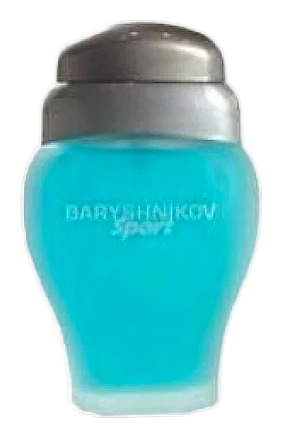
    Baryshnikov Sport by Mikhail Baryshnikov
    Best Seller
    4.7

    Baryshnikov Sport

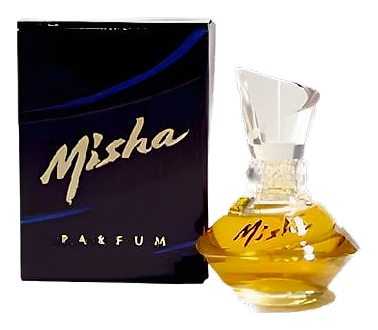
    Misha by Mikhail Baryshnikov
    Best Seller
    4.4

    Misha

    Baryshnikov by Mikhail Baryshnikov
    Best Seller
    4.4

    Baryshnikov

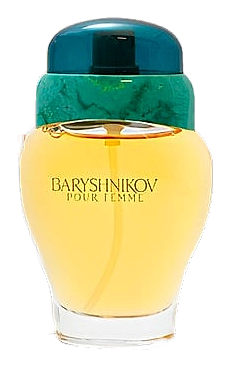
    Baryshnikov Pour Femme by Mikhail Baryshnikov
    4.1

    Baryshnikov Pour Femme

    Haltane by Parfums de Marly
    Coming Soon

    Haltane

    Parfums de Marly

    Baccarat Rouge 540 by Maison Francis Kurkdjian
    Coming Soon

    Baccarat Rouge 540

    Maison Francis Kurkdjian

    The Heritage

    The Story of Mikhail Baryshnikov

    Mikhail Baryshnikov’s fragrance line translates the dancer’s reputation for precision and poise into scented form. Launched in the late 1980s, the collection includes the masculine Baryshnikov (1991) and the feminine Baryshnikov Pour Femme (1995), as well as sport‑inspired Baryshnikov Sport (1996). Each bottle carries the artist’s signature, offering a quiet nod to the discipline of ballet while remaining approachable for everyday wear.

    Heritage

    Mikhail Baryshnikov, born in Riga in 1948, rose to fame as a principal dancer with the American Ballet Theatre and later the New York City Ballet. By the late 1980s he had expanded his artistic portfolio into film, choreography and visual art. In 1989 he introduced his first perfume, Misha, a name derived from the nickname friends used for him. The launch was reported by UPI, which noted that the dancer stepped away from the stage to present the scent. The following year, 1991, saw the release of a unisex fragrance simply titled Baryshnikov, positioned as a modern interpretation of his kinetic energy. Two more offerings followed: Baryshnikov Pour Femme in 1995, aimed at a female audience, and Baryshnikov Sport in 1996, a fresher, athletic‑leaning composition. The line was produced under license with established fragrance houses in France, a common practice for celebrity‑endorsed scents of the era. In 2005 Baryshnikov founded the Baryshnikov Arts Center in New York, reinforcing his commitment to multidisciplinary creation; while not a perfume event, the center’s establishment underscored the artist’s broader cultural influence. A 2022 report in Dollars and Scents revealed that Baryshnikov earned a $250,000 licensing fee for the use of his name, with an escalating annual royalty structure, confirming the commercial viability of the brand. Over three decades, the fragrances have become niche collectibles, with vintage bottles appearing on auction sites and specialty retailers, illustrating a lasting, if modest, legacy beyond the stage.

    Craftsmanship

    Production of the Baryshnikov fragrances was handled by established French perfume houses, a detail confirmed by trade listings from the early 1990s. These houses employed traditional methods such as maceration of natural extracts and careful blending of aromatic compounds, ensuring consistency across batches. Ingredient sourcing reportedly emphasized quality raw materials, with notes of bergamot, cedar and amber frequently cited in vintage reviews. The bottles were manufactured in France, using clear glass that showcased the perfume’s hue, and sealed with simple metal caps to reflect the line’s understated design ethos. Quality control procedures included stability testing and sensory panels, a standard practice for licensed celebrity scents at the time. While Baryshnikov’s direct involvement in formulation was limited, he consulted on the overall olfactory direction, ensuring the final product resonated with his artistic sensibility. The licensing agreement included clauses that required the fragrance house to meet specific performance standards, reinforcing a commitment to craftsmanship that matched the dancer’s reputation for technical excellence.

    Design Language

    Visually, the Baryshnikov collection favors clean lines and minimal ornamentation, echoing the dancer’s own stage presence. Early bottles featured a slender, rectangular silhouette with a brushed metal cap, allowing the liquid’s color to become the focal point. The label typography employed a simple sans‑serif font, often in black or deep navy, reinforcing a sense of understated sophistication. Promotional photography from the 1990s frequently placed the bottles against stark, monochrome backdrops, sometimes accompanied by silhouettes of the dancer in motion, creating a visual dialogue between scent and movement. Later editions, such as Baryshnikov Sport, introduced a slightly more dynamic shape with subtle curvature, suggesting agility without abandoning the brand’s core minimalism. The overall visual identity remains consistent across the range, favoring a palette of muted neutrals and metallic accents that convey both modernity and timelessness.

    Philosophy

    The fragrance line reflects Baryshnikov’s belief that movement and scent share a common language of expression. In interviews he described perfume as a "silent choreography" that can accompany a dancer’s performance. The brand therefore emphasizes balance, clarity and a restrained elegance, mirroring the dancer’s focus on line and form. Rather than chasing trends, the scents aim to capture a moment of stillness after a pirouette, offering the wearer a brief pause to sense the world. This approach aligns with Baryshnikov’s broader artistic values: disciplined preparation, respect for tradition, and a willingness to explore new mediums while staying true to core technique. The brand’s messaging, as seen in contemporary press releases, stresses authenticity over flash, positioning the fragrances as extensions of the artist’s personal aesthetic rather than purely commercial products.

    Key Milestones

    1989

    Launch of Misha, the first fragrance bearing Baryshnikov’s nickname.

    1991

    Release of Baryshnikov, a unisex perfume developed with a French fragrance house.

    1995

    Introduction of Baryshnikov Pour Femme, expanding the line to a dedicated women’s scent.

    1996

    Baryshnikov Sport debuts, offering a fresher, athletic‑inspired composition.

    2005

    Baryshnikov Arts Center opens in New York, highlighting the artist’s multidisciplinary pursuits.

    2022

    Dollars and Scents reports a $250,000 licensing fee for the fragrance brand, confirming ongoing commercial activity.

    At a Glance

    Brand profile snapshot

    Origin

    United States

    Founded

    1989

    Heritage

    37

    Years active

    Collection

    1

    Fragrances released

    Avg Rating

    4.7

    Community sentiment

    Release Rhythm

    1996
    1
    1995
    1
    1991
    1
    1989
    1

    Did You Know?

    Interesting Facts

    Distinctive details and defining moments that shape the house personality.

    01

    The name "Misha" comes from the nickname friends and colleagues used for Baryshnikov throughout his career.

    02

    Vintage bottles of the original 1989 Misha fragrance are sought after by collectors and often sell for several times their original retail price.

    03

    Baryshnikov’s licensing agreement included a performance‑based royalty clause, meaning his earnings increase with each bottle sold.

    04

    Despite being a celebrity line, the fragrances were formulated by professional perfumers in France rather than by the dancer himself.