Heritage
A house, in its own words
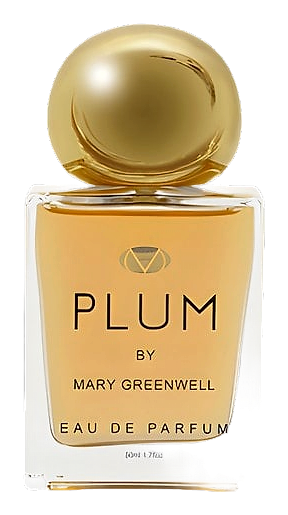
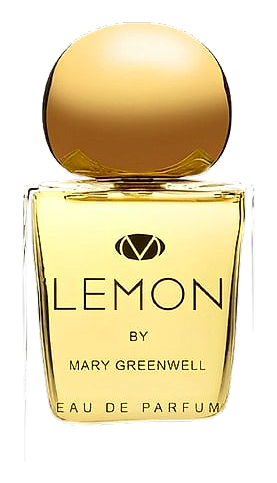
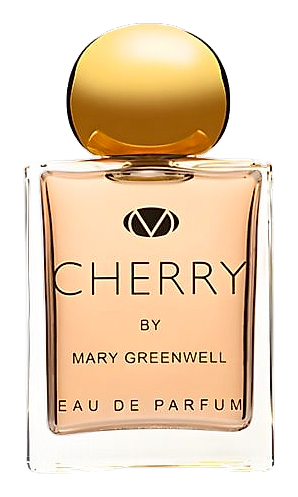
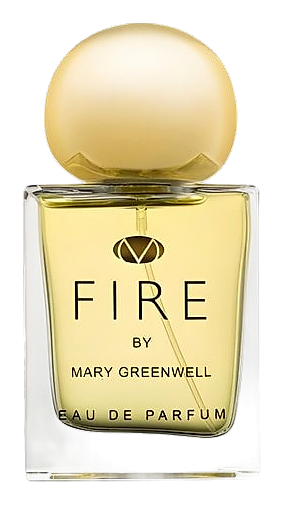
Mary Greenwell began her career in beauty during the early 1970s, working in New York in 1972 before relocating to Paris in the spring of 1984. Her trajectory through two of fashion capital's most competitive environments shaped her understanding of image, aesthetics, and the transformative power of beauty products. She built a reputation as a sought-after make-up artist, working across editorial, advertising, and possibly private clientele that would have included prominent figures. The shift toward perfumery came later, driven reportedly by a desire to explore scent as a complementary medium to her work in cosmetics. Her first fragrance, Plum, launched in 2010 and drew coverage from British Vogue, which framed it as a new adventure for the make-up artist. The collection expanded over the following four years with Lemon (2013), Fire (2013), and Cherry (2014), each named for its dominant material. Rather than positioning herself as a perfumer in the traditional sense, Greenwell appears to have approached fragrance creation as a creative director, bringing her eye for composition and her understanding of how beauty communicates personality. Her English upbringing, referenced in interviews, reportedly informs a sensibility rooted in British reserve and understatement. The Mary Greenwell fragrance philosophy centers on the expressive power of singular ingredients. Rather than constructing complex, multi-layered compositions typical of classical perfumery, each fragrance in the collection isolates a single note and builds around it. Plum, Lemon, Fire, and Cherry describe their subjects directly, without abstraction or metaphorical layering. This approach suggests an understanding of scent that mirrors fashion's relationship to color and form: bold, immediate, communicative. The naming convention itself abandons the poetic or evocations common in the fragrance industry, opting instead for blunt, almost clinical directness. This restraint may reflect Greenwell's background in make-up artistry, where technique serves the subject rather than calling attention to itself. The philosophy appears to treat fragrance as an accessory or finishing touch, aligned with how fashion professionals often consider scent as part of a complete presentation rather than an autonomous artistic statement. Her long tenure in the industry reportedly informs a perspective that values quality and impact over complexity or novelty.