




Heritage
A house, in its own words
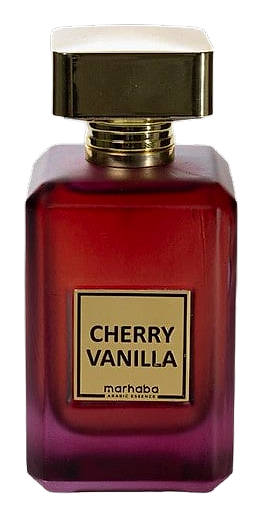
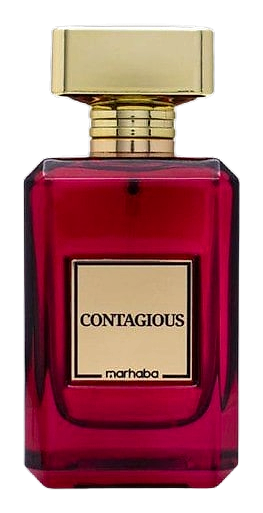
The story of Arabian perfumery stretches back millennia. Ancient Arabs valued pleasant scents as symbols of purity and prestige, using ingredients like oud, musk, rose, and saffron long before modern perfumery existed. Frankincense and myrrh traveled ancient trade routes through the Arabian Peninsula, connecting the region to Egypt, Rome, and beyond. The Sultanate of Oman formalized this heritage in 1983 when the Sultan launched Amouage as a state-backed perfume house designed to revive the country's incense trade. This context matters for understanding brands like Marhaba Arabic Essence, which emerged in 2020 within Dubai's dense fragrance marketplace. Dubai has long served as a meeting point for Eastern and Western scent traditions. The city hosts some of the world's largest perfume retail spaces and serves as a distribution hub for fragrance brands targeting Middle Eastern, South Asian, and African markets. Marhaba Arabic Essence entered this landscape with a catalog of nearly 40 perfumes, a scale that suggests ambitions beyond local distribution alone. The brand does not appear in publicly available records to have disclosed founder information or corporate structure details. Its About-page language and third-party listings describe the brand simply as capturing Arabian perfumery essence, without detailing specific artistic lineage or perfumer associations. What is clear from available records is that Marhaba Arabic Essence launched in 2020 during a period of significant growth in the regional fragrance market, when demand for oud-based and Arabian-style compositions was expanding globally. Marhaba Arabic Essence operates within a philosophy that treats fragrance as a personal statement. In Arabian perfumery traditions, sweetness and intensity do not signal gender; they signal status and presence. The combination of oud, amber, saffron, and dried fruits has been worn by Arab men for generations as markers of refinement. Marhaba Arabic Essence appears to embrace this approach, creating perfumes that prioritize projection, longevity, and unmistakable character over subtlety. The brand's fragrance names communicate their intent directly. Cherry Vanilla suggests gourmand warmth. Red Velvet implies layered depth and richness. Musk Oud Extreme leaves no ambiguity about its composition. This naming strategy suggests a brand that values clarity and wants customers to know exactly what they are purchasing before they smell it. The brand does not appear to position itself through sustainability narratives, charitable initiatives, or artistic perfumer profiles, which are common in the luxury segment. Instead, Marhaba Arabic Essence seems to ground its identity in the product itself: strong, traditional Arabian materials executed in contemporary formats. This straightforward approach resonates with consumers who value heritage ingredients over conceptual storytelling. The regional market where the brand operates has centuries of perfumery knowledge embedded in its culture, and consumers there often judge fragrances on their material quality and olfactory power rather than brand narrative.