The Heritage
The Story of Marco Serussi
Marco Serussi translates runway drama into scent, offering a line that feels as polished as the designer’s collections. With a single launch in the late 1990s, the brand introduced MS Homme, a fragrance that captures the label’s sleek, confident aesthetic. Today the house balances French perfumery tradition with a fashion‑forward edge, inviting wearers to wear confidence as a signature.
Heritage
Marco Serussi began as a Parisian fashion label in the early 1990s, built on the designer’s love of clean lines and bold tailoring. The brand’s first foray into scent arrived in 1998 when it released MS Homme, a masculine fragrance that mirrored the collection’s sharp silhouettes. The scent’s success convinced the house to treat perfumery as a permanent extension of its creative DNA. In 2005 the label introduced its first women’s perfume, a floral‑spicy blend that carried the same sense of structure as a well‑cut jacket. Over the next decade the fragrances found homes in select concept stores across Europe, earning a reputation for blending classic French ingredients with contemporary flair. A strategic shift occurred in 2018 when perfumer Thibaud Crivelli joined as creative director, bringing a renewed focus on narrative‑driven compositions and limited‑edition releases. Under his guidance the house launched a series of niche scents, each accompanied by a short film that highlighted the brand’s fashion roots. By 2021 the portfolio expanded to include MS Nuit, a nocturnal interpretation that uses amber and oud to echo the darkness of a runway after the lights dim. Recent years have seen Marco Serussi adopt recyclable glass and biodegradable caps, aligning its material choices with the growing demand for responsible luxury. The brand’s evolution reflects a steady dialogue between sartorial precision and olfactory craft, keeping the original spirit alive while embracing modern expectations.
Craftsmanship
The creation process at Marco Serussi starts in a Paris studio where designers sketch the mood of an upcoming collection. A perfumer then interprets those sketches, selecting raw materials that echo the visual cues. The house sources many of its ingredients from the Grasse region, a historic hub for jasmine, rose, and citrus peels, while also working with sustainable farms in Madagascar for vanilla and Madagascar. Synthetic notes such as iso e super and ambroxan are blended sparingly, used only to reinforce the natural base and maintain a clean finish. Once the formula is set, it undergoes a series of stability tests in controlled temperature chambers to ensure the scent retains its character over time. Production takes place in a boutique laboratory that limits batch size, allowing the team to monitor each step closely. Bottling is performed by hand, with artisans polishing each glass vessel before sealing it with a brushed metal cap. The house also invests in recyclable packaging, opting for aluminum sprayers that can be refilled. Throughout the process, the brand emphasizes transparency, providing consumers with ingredient lists and origin details on its website. This meticulous approach guarantees that every bottle reflects the same precision found in a Marco Serussi runway piece.
Design Language
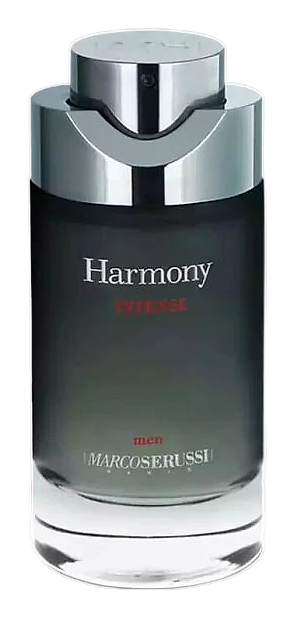
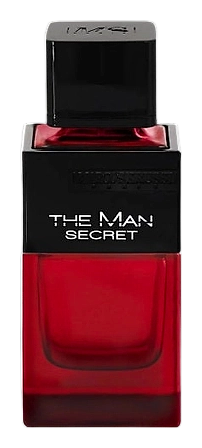
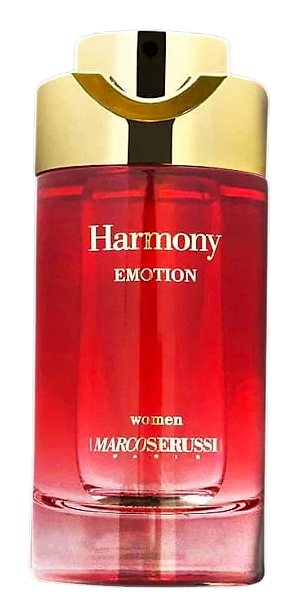
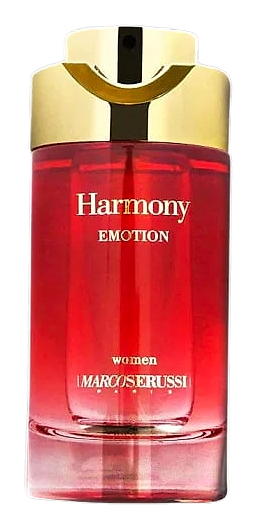
Visually, Marco Serussi embraces the minimalist elegance of its fashion counterpart. Bottles feature sleek, rectangular silhouettes with clean lines, echoing the sharp tailoring of the clothing collections. The glass is often tinted in muted tones—soft greys, deep navy, or warm amber—allowing the fragrance to speak through subtle color rather than ornate decoration. Labels use a thin, sans‑serif typeface set against a matte background, reinforcing the brand’s understated confidence. Caps are brushed metal, sometimes bearing the designer’s initials in a discreet emboss. Advertising campaigns showcase models in monochrome settings, dressed in the latest runway pieces, with the perfume presented as the final accessory. Graphic elements draw on architectural motifs, such as grid patterns that hint at the structured nature of the designs. The overall visual language positions the fragrance as a natural extension of a well‑curated wardrobe, inviting consumers to see scent as part of their daily style ritual.
Philosophy
Marco Serussi views fragrance as a second layer of clothing, a way to extend the designer’s visual language onto the skin. The house believes a scent should convey the same confidence that a tailored blazer does—clear, purposeful, and instantly recognizable. Its creative brief asks each perfumer to translate a specific collection’s palette into notes, turning fabric textures into aromatic textures. The brand favors a restrained palette, often pairing crisp citrus or green accords with warm woods, allowing the wearer to feel both polished and approachable. Rather than chasing trends, Marco Serussi builds each fragrance around a timeless silhouette, ensuring the scent ages gracefully alongside the wearer. Sustainability also shapes its philosophy; the house selects ingredients that can be traced to responsible farms and favors production methods that minimize waste. By treating perfume as an extension of style, the brand creates a cohesive experience that bridges the runway and everyday life.
Key Milestones
1998
Launch of MS Homme, the brand’s inaugural fragrance, establishing a scented extension of the fashion label.
2005
Introduction of the first women’s perfume, expanding the olfactory portfolio.
2010
Entry into select European concept stores, gaining niche market presence.
2018
Thibaud Crivelli appointed creative director, steering the house toward narrative‑driven limited editions.
2021
Release of MS Nuit, a nocturnal scent built around amber and oud.
2023
Adoption of recyclable glass bottles and biodegradable caps to support sustainable luxury.
At a Glance
Brand profile snapshot
Origin
France
Collection
2
Fragrances released
Avg Rating
4.0
Community sentiment


