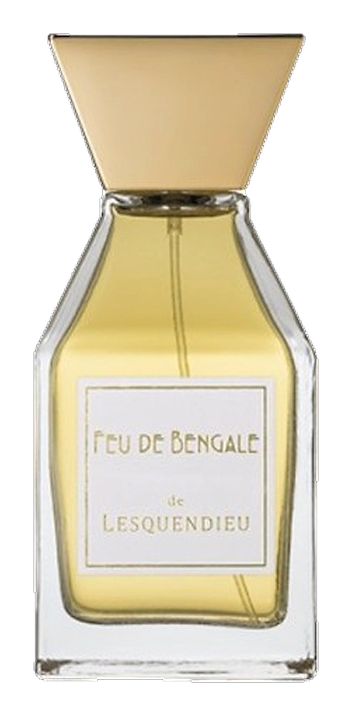
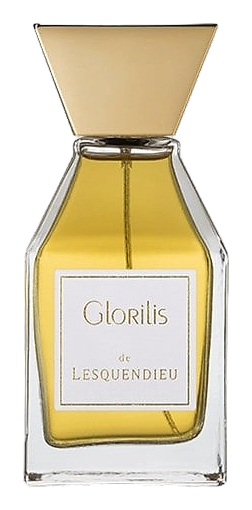
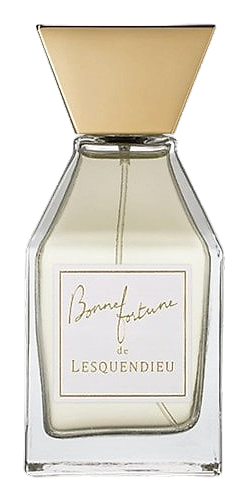
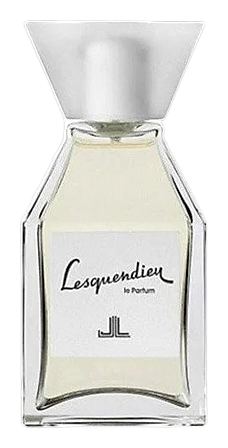


The Heritage
The Story of Lesquendieu
Lesquendieu is a French haute parfumerie that traces its scent lineage back to the early twentieth century. Founded in Paris in 1903, the house blends a pharmacist’s precision with a family’s devotion to olfactory art. Today the brand offers a curated catalogue that includes vintage reinterpretations and contemporary compositions, each presented in a bottle that echoes the house’s historic aesthetic while speaking to modern collectors.
Heritage
Joseph Lesquendieu opened the first Lesquendieu boutique at 5 bis rue de la Tacherie in Paris in 1903. A graduate of the Amiens School of Pharmacy, Joseph applied his scientific training to fragrance creation, positioning the house at the intersection of chemistry and artistry. By 1908 he launched a United States subsidiary on 45 West 45th Street in New York, extending the brand’s reach across the Atlantic. The early years saw Lesquendieu supplying bespoke scents to Parisian salons and American department stores, a testament to the house’s early adaptability. After several decades of quiet operation, a descendant revived the label in 2015, re‑establishing production under the original family name and re‑issuing classic formulas alongside new releases. The revival introduced fragrances such as Bonne Fortune (2016) and Oud & Woods (2021), demonstrating a continuity of craft that respects the original 1903 ethos while embracing contemporary trends. Throughout its more than a century of existence, Lesquendieu has remained a family‑run enterprise, with each generation reinforcing the commitment to French heritage, meticulous formulation, and a discreet market presence that favors quality over hype.
Craftsmanship
Lesquendieu’s production follows a small‑batch model that mirrors early twentieth‑century French ateliers. Formulators begin with a precise inventory of raw materials, weighing each component on analytical scales before blending. The house sources natural absolutes from established French and Mediterranean farms, while importing select oud and saffron from regions known for ethical extraction. After blending, the mixture rests in temperature‑controlled rooms for several weeks, allowing the accords to integrate fully. Distillation and maceration occur in stainless‑steel vessels that preserve the integrity of volatile oils. Quality control includes gas‑chromatography analysis to verify that each batch matches the original reference profile. Bottling takes place on a dedicated line where artisans hand‑fill each vial, cap, and label, checking for consistency. The final product receives a hand‑applied batch number, linking it to its laboratory record. This meticulous chain ensures that a Lesquendieu fragrance retains the same character whether it leaves the Paris workshop in 1904 or the revived studio in 2021.
Design Language
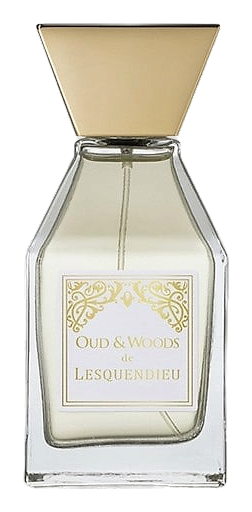
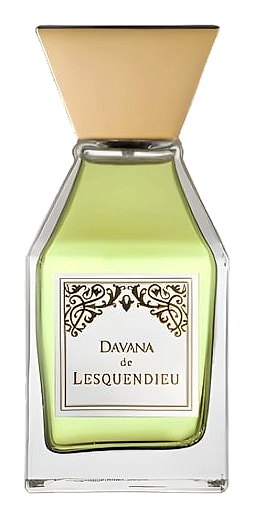
Lesquendieu’s visual language draws from its Parisian origins. Early bottles featured clear glass with simple, embossed metal caps, a design that highlighted the perfume’s colour rather than decorative excess. Modern releases retain that clarity, using thick crystal vessels that catch light without distraction. Labels employ a serif typeface reminiscent of early twentieth‑century French print, set against a muted background that echoes the brand’s restrained palette. The packaging often includes a vellum insert that provides a concise history of the scent, reinforcing the house’s narrative focus. Storefronts and promotional photography favour monochrome settings, allowing the fragrance itself to become the focal point. This aesthetic continuity signals to collectors that Lesquendieu values timeless elegance over fleeting trends.
Philosophy
Lesquendieu frames perfume as a dialogue between memory and material. The house emphasizes respect for raw ingredients, insisting that each note arrives from a source that meets strict purity standards. It values transparency, allowing collectors to trace a scent’s lineage from field to flask. The brand balances reverence for historic techniques with a willingness to explore new accords, evident in recent releases that pair traditional French bases with exotic woods and spices. Family legacy informs every decision; the company treats each fragrance as a chapter in a larger story that began with Joseph’s pharmacy lab. Sustainability appears in sourcing choices, with the house favoring suppliers who practice responsible harvesting, especially for prized ingredients such as oud and saffron. Lesquendieu’s communication style remains understated, preferring factual description over flamboyant claim, which mirrors its belief that a perfume’s performance should speak louder than its marketing.
Key Milestones
1903
Joseph Lesquendieu opens the first boutique at 5 bis rue de la Tacherie, Paris.
1908
Lesquendieu establishes a US subsidiary on 45 West 45th Street, New York.
1953
Original Bonne Fortune fragrance is created, later revisited as Bonne Fortune Vintage.
2015
A descendant re‑launches the brand, re‑issuing classic scents and introducing new lines.
2016
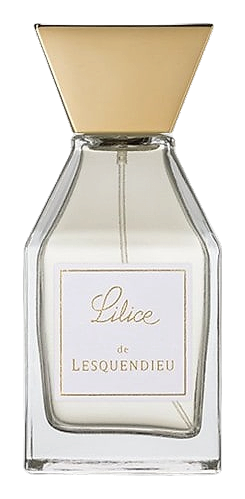
New releases include Bonne Fortune, Feu De Bengale, Glorilis, Lesquendieu Le Parfum, and Lilice.
2021
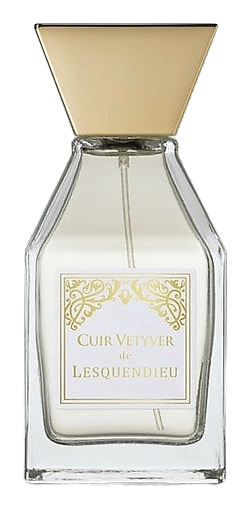
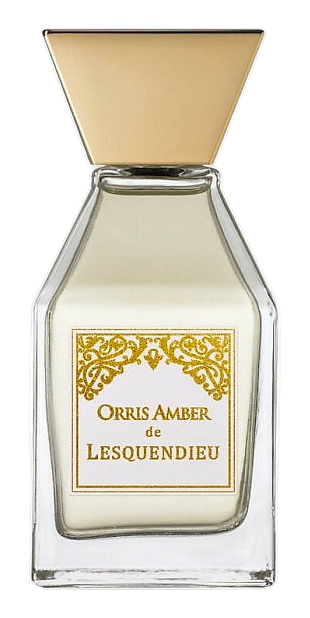
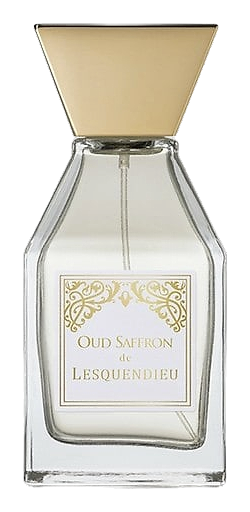
Recent launches feature Cuir Vetyver, Oud Saffron, Orris Amber, and Oud & Woods.
At a Glance
Brand profile snapshot
Origin
France
Founded
1903
Heritage
123
Years active
Collection
1
Fragrances released
Avg Rating
4.0
Community sentiment
Release Rhythm


