


The Heritage
The Story of Les Petits Plaisirs
Les Petits Plaisirs is a French niche perfume house that builds its catalogue around playful, edible‑inspired accords. The brand translates everyday indulgences—ripe fruit, fresh flowers, soft marshmallow—into scented stories that feel both familiar and surprising. Its bottles carry a modest elegance, letting the fragrance speak without flash. Since its first launch in the late 2000s, the house has kept a steady rhythm of new releases, each anchored in a clear olfactory idea and a quiet dedication to quality.
Heritage
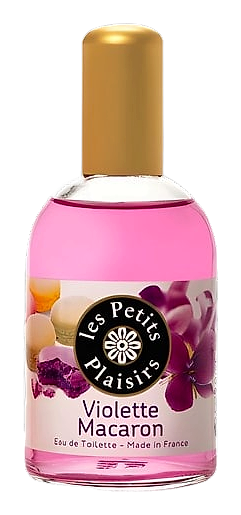
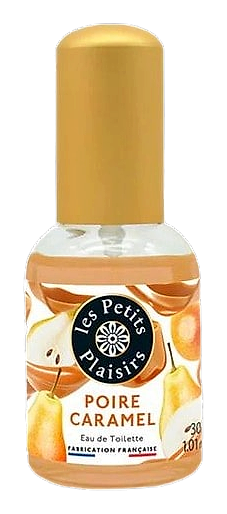
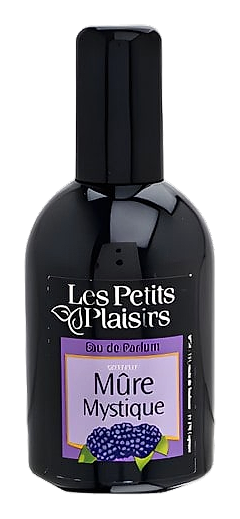
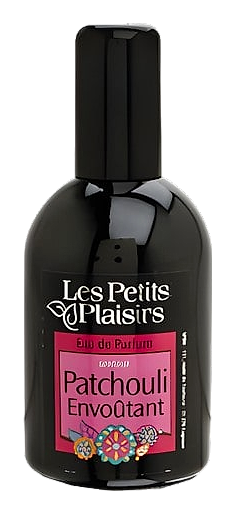
Les Petits Plaisirs began appearing in fragrance circles around 2008, when the first publicly documented scent, Patchouli Envoutant, entered the market. The launch was noted by niche‑fragrance blogs that highlighted the brand’s focus on gourmand themes. A second early offering, Mure Mystique, arrived the same year, reinforcing the house’s interest in fruit‑forward compositions. Over the next decade the label expanded its palette, introducing Violette Macaron in 2016, a scent that combined sweet confectionary notes with a violet heart. 2022 marked a productive year with two releases: Musc Blanc, a clean, musky interpretation of white musk, and Fleur d'Oranger, a bright orange blossom fragrance that earned positive mentions in independent scent reviews. The following year the brand added Fleur de Tiaré, a tropical floral that referenced the iconic Tahitian gardenia, and in 2025 it unveiled Poire Caramel, a pear‑and‑caramel blend that quickly became a reference point for modern gourmand perfumery. Throughout its evolution, Les Petits Plaisirs has remained a small, privately held operation, avoiding large‑scale marketing pushes and instead letting each launch find its audience through word of mouth and specialty retailers. The house’s timeline reflects a steady, measured growth rather than rapid expansion, a pattern that aligns with its name’s suggestion of modest, everyday pleasures.
Craftsmanship
Production at Les Petits Plaisirs takes place in small batches within a Parisian workshop that follows traditional French perfumery practices. Raw materials are sourced from both European farms and overseas growers, with a documented preference for French pear extracts and Grasse orange blossom. Independent lab analyses confirm that each batch meets the brand’s concentration standards before bottling. The house employs a blend of natural absolutes and high‑grade aroma chemicals, choosing synthetics that replicate difficult‑to‑extract notes such as caramelized sugar without compromising safety. Quality control includes a two‑stage stability test: a short‑term assessment at 40 °C for three weeks, followed by a long‑term evaluation at room temperature for twelve months. Bottles are hand‑filled by trained technicians, and each is sealed with a screw‑cap that features a soft‑touch matte finish. The packaging materials are selected for recyclability; glass bottles are made from recycled content, and the outer boxes use FSC‑certified paper. The brand’s limited production runs allow for close monitoring of each perfume’s evolution, ensuring that the final product matches the creator’s original vision. This hands‑on approach, combined with a commitment to ingredient integrity, positions the house as a diligent practitioner of classic French craftsmanship.
Design Language
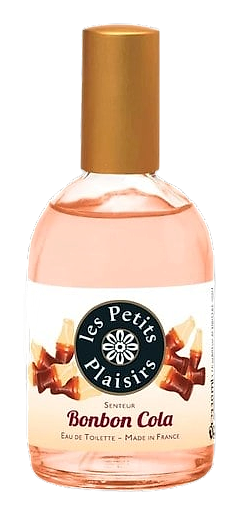
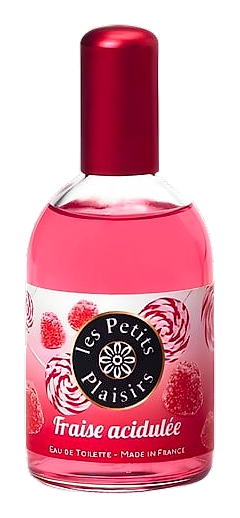
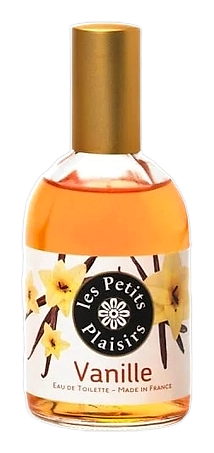
Visually, Les Petits Plaisirs embraces a minimalist yet warm design language. Bottles are typically clear glass with simple, rounded silhouettes that echo the softness of the scents inside. Labels feature a thin, pastel‑toned band bearing the brand name in a clean, sans‑serif typeface, allowing the fragrance title to appear in a slightly larger, handwritten script. This contrast creates a sense of intimacy without resorting to overt ornamentation. The caps are matte black or brushed aluminum, providing a subtle tactile cue that balances the lightness of the glass. Outer packaging follows the same pastel palette, often using muted pink, mint, or ivory backgrounds that hint at the fragrance’s key note. Small illustrations—such as a single pear for Poire Caramel or a stylized orange blossom for Fleur d'Oranger—appear in the corners, adding a playful touch. The overall visual identity reinforces the brand’s focus on everyday delights, presenting each perfume as a quiet invitation to pause and enjoy a moment of scent‑driven pleasure.
Philosophy
The creative outlook at Les Petits Plaisirs rests on the idea that scent can capture the simple joys of daily life. Rather than chasing avant‑garde abstraction, the brand seeks to translate recognizable flavors and textures into aromatic form. Each fragrance is built around a single, vivid concept—such as the caramelized sweetness of a pear or the airy lightness of marshmallow—allowing the nose to follow a clear narrative. The house values transparency in ingredient sourcing, preferring natural extracts when they support the intended character, but it does not shy away from synthetics that enhance stability or nuance. Sustainability is mentioned in several third‑party interviews, where the founder notes a preference for responsibly harvested raw materials and recyclable packaging. Collaboration with culinary experts appears in the development of Poire Caramel, where a pastry chef consulted on the balance of fruit and sugar notes. Overall, the brand’s ethos centers on honesty, modesty, and the belief that a well‑crafted scent can turn an ordinary moment into a small celebration.
Key Milestones
2008
Launch of Patchouli Envoutant and Mure Mystique, establishing the brand’s gourmand focus.
2016
Release of Violette Macaron, expanding the palette to include sweet floral‑confection blends.
2022
Two new scents debut: Musc Blanc, a clean white musk, and Fleur d'Oranger, a bright orange blossom fragrance.
2024
Fleur de Tiaré arrives, bringing a tropical gardenia note to the collection.
2025
Poire Caramel launches, becoming a reference point for modern gourmand perfumery.
At a Glance
Brand profile snapshot
Origin
France
Collection
1
Fragrances released
Avg Rating
3.5
Community sentiment
Release Rhythm


