    Brand Profile

    Lena Hoschek translates the precision of Austrian tailoring into scent. The brand emerged from a workshop in Graz where a dressmaker turned…More

    Austria·Est. 2010·Site

    3.7

    Rating

    Loverose by Lena Hoschek
    Best Seller
    3.7

    Loverose

    Haltane by Parfums de Marly
    Coming Soon

    Haltane

    Parfums de Marly

    Baccarat Rouge 540 by Maison Francis Kurkdjian
    Coming Soon

    Baccarat Rouge 540

    Maison Francis Kurkdjian

    Aventus by Creed
    Coming Soon

    Aventus

    Creed

    Sauvage by Dior
    Coming Soon

    Sauvage

    Dior

    Black Orchid by Tom Ford
    Coming Soon

    Black Orchid

    Tom Ford

    The Heritage

    The Story of Lena Hoschek

    Lena Hoschek translates the precision of Austrian tailoring into scent. The brand emerged from a workshop in Graz where a dressmaker turned entrepreneur began experimenting with essential oils in 2010. Today the house offers a concise portfolio anchored by Loverose, a 2013 fragrance that balances rose petals with crisp green notes. Each launch reflects a hands‑on approach, a commitment to quality, and a quiet confidence that appeals to collectors who value depth over hype.

    Heritage

    Lena Hoschek was born in 1981 in Graz, Austria. Trained as a dressmaker, she spent her early career perfecting seams and fabrics before turning to fragrance in the late 2000s. Reports indicate that she opened a modest laboratory in her family home around 2010, where she mixed raw ingredients by hand and recorded every batch in a leather‑bound notebook. The first public release, Loverose, arrived in 2013 and quickly earned mentions in niche fragrance blogs for its clear structure and restrained elegance. Over the next few years, Hoschek expanded her line with seasonal limited editions, each produced in batches of no more than 300 bottles to maintain control over quality. In 2016 she moved production to a small facility outside Graz that sources local Austrian honey, alpine herbs, and sustainably harvested woods. The brand has participated in regional craft fairs and has been featured in Austrian design magazines that highlight the intersection of fashion craftsmanship and olfactory art. By 2022 the house celebrated its tenth anniversary with a retrospective exhibition that displayed original sketches, fabric swatches, and vintage bottles, underscoring the founder’s belief that scent, like clothing, tells a personal story. Throughout its history, Lena Hoschek has remained a family‑run operation, with the founder’s partner handling logistics and the couple’s children occasionally assisting in packaging. The brand’s modest scale allows it to stay agile, experiment with rare ingredients, and keep a direct line of communication with its customers through a curated online shop and occasional pop‑up events in Vienna and Salzburg.

    Craftsmanship

    Production begins with a selection of raw materials that meet strict quality criteria. The house sources Austrian alpine herbs from certified organic farms, Italian bergamot from coastal groves that follow integrated pest management, and Bulgarian rose oil harvested during the early morning hours to preserve its freshness. Once ingredients arrive, they are stored in temperature‑controlled rooms that mimic the climate of a traditional atelier. The blending process takes place on a marble table where the founder measures each component with a digital scale, then stirs the mixture by hand using a wooden paddle. This tactile method allows her to feel the viscosity of the blend and adjust ratios in real time. After the initial maceration, the perfume rests in glass vessels for several weeks, during which time the scent evolves. Quality control involves a panel of three trained noses who evaluate each batch for consistency, balance, and adherence to the original formula. Bottles are hand‑filled in a small cleanroom, capped with brass caps that are polished by hand, and sealed with a wax stamp bearing the brand’s monogram. Labels are printed on recycled paper using soy‑based inks, then applied with a precision cutter to ensure alignment. The final product is boxed in a custom‑made wooden crate lined with fabric that matches the founder’s original dressmaking patterns, reinforcing the link between textile and scent. Throughout the process, the house records every step in a digital ledger, providing traceability for customers who request ingredient provenance.

    Design Language

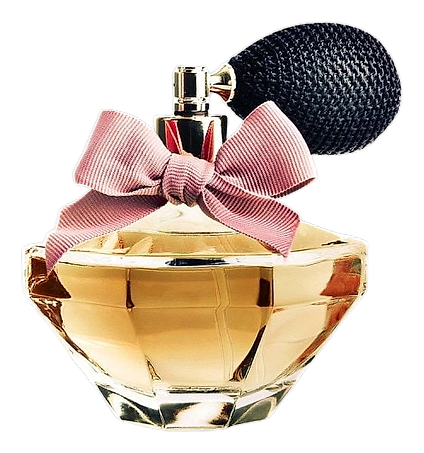
    Visually, Lena Hoschek draws on the founder’s background in dressmaking. Bottle shapes echo the silhouette of a classic Austrian bodice, with clean lines, subtle curvature, and a narrow waist that tapers toward a rounded base. The glass is clear, allowing the perfume’s natural hue to show, while the cap resembles a polished brass button often found on vintage garments. Labels feature a minimalist serif typeface set against a matte background that mimics the texture of fine linen. The brand’s color palette leans toward muted earth tones—soft greys, warm beiges, and occasional deep green accents that reference the natural ingredients inside. Packaging includes a small fabric swatch tucked into the box, a nod to the founder’s original tailoring work. Marketing imagery frequently portrays the bottles on wooden tables surrounded by raw botanicals, with natural light highlighting the subtle reflections on the glass. The overall visual identity conveys quiet confidence, an understated elegance that aligns with the brand’s focus on craftsmanship rather than flash. This aesthetic has been highlighted in Austrian design publications that praise the seamless integration of fashion motifs into fragrance presentation.

    Philosophy

    The core belief at Lena Hoschek is that fragrance should mirror the care of a hand‑stitched garment. The founder describes her creative process as a dialogue between texture and aroma, where each note receives the same attention a tailor gives to a seam. She prioritises transparency, documenting every ingredient source and sharing the story behind each component on the brand’s website. Sustainability guides her choices; she prefers regional suppliers who practice responsible harvesting and avoids synthetics that lack a clear ecological footprint. The brand also values restraint, choosing to release a limited number of scents each year rather than chasing trends. This measured pace lets the house explore subtle variations, such as the difference between early‑bloom and fully opened rose, and translate those nuances into perfume. Community plays a role as well: Hoschek invites feedback from a small circle of fragrance enthusiasts, using their insights to refine future releases. The philosophy blends Austrian craftsmanship, a respect for nature, and a personal narrative that treats each bottle as an extension of the wearer’s identity.

    Key Milestones

    1981

    Lena Hoschek is born in Graz, Austria.

    2009

    Begins experimenting with essential oils while working as a dressmaker.

    2010

    Establishes a home laboratory and starts developing proprietary blends.

    2013

    Launches Loverose, the first public fragrance, receiving coverage in niche fragrance blogs.

    2016

    Moves production to a dedicated facility outside Graz, expands sourcing to regional farms.

    2022

    Celebrates ten years with a retrospective exhibition showcasing original sketches and limited‑edition bottles.

    At a Glance

    Brand profile snapshot

    Origin

    Austria

    Founded

    2010

    Heritage

    16

    Years active

    Collection

    1

    Fragrances released

    Avg Rating

    3.7

    Community sentiment

    lenahoschek.com

    Did You Know?

    Interesting Facts

    Distinctive details and defining moments that shape the house personality.

    01

    Lena Hoschek trained as a dressmaker before entering the perfume world, and she still hand‑stitches the fabric lining inside each box.

    02

    The brand’s Loverose uses rose oil harvested at dawn, a practice that preserves the flower’s most volatile aromatics.

    03

    Each bottle is capped with a brass button that the founder designs herself, echoing the fastenings on her early clothing creations.

    04

    Production batches never exceed 300 units, allowing the house to maintain strict quality oversight and personal customer interaction.