
    Brand Profile

    Lattafa Pride carries the pulse of Dubai’s perfume heritage into today’s closets. Born from a family that has tended the art of Arabic scent…More

    United Arab Emirates·Est. 1980

    2

    Fragrances

    4.1

    Rating

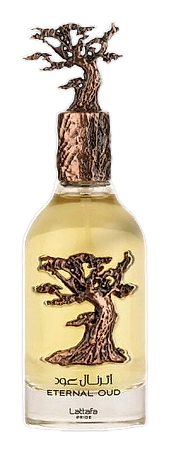
    Eternal Oud by Lattafa Pride
    Best Seller
    4.1

    Eternal Oud

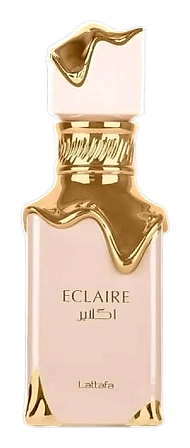
    Eclaire by Lattafa Pride
    Best Seller
    4.1

    Eclaire

    Haltane by Parfums de Marly
    Coming Soon

    Haltane

    Parfums de Marly

    Baccarat Rouge 540 by Maison Francis Kurkdjian
    Coming Soon

    Baccarat Rouge 540

    Maison Francis Kurkdjian

    Aventus by Creed
    Coming Soon

    Aventus

    Creed

    Sauvage by Dior
    Coming Soon

    Sauvage

    Dior

    The Heritage

    The Story of Lattafa Pride

    Lattafa Pride carries the pulse of Dubai’s perfume heritage into today’s closets. Born from a family that has tended the art of Arabic scent for three generations, the line blends rich oud, warm spices and bright accords that echo both tradition and modern flair. Its bottles announce confidence, inviting anyone to experience a scent that feels both familiar and fresh.

    Heritage

    In 1980 Sheikh Shahid Ahmad and Shoaib Iqbal opened a modest workshop in Dubai. Their goal was simple: craft high‑quality fragrances that honored Emirati hospitality. The first bottles sold in local souks, and word spread quickly among connoisseurs who prized the blend of traditional Arabic notes with a contemporary edge. By the early 1990s the brand expanded across the Gulf, adding a modest retail network and beginning to export to neighboring countries. The second generation took over in the early 2000s, introducing modern production tools while keeping the family’s hands on every batch. Around 2015 the company launched the Pride collection, a series that tells cultural stories through scent, beginning with Le African Drummer, a unisex perfume that mixes woody oud with vibrant spice accords. The pandemic of 2020 disrupted many supply chains, yet Lattafa used the moment to strengthen its direct‑to‑consumer channels and entered the United States market, gaining a loyal following online. Today the third generation steers the house, preserving the original ethos while exploring new markets and collaborations.

    Craftsmanship

    Lattafa blends its perfumes in a Dubai laboratory that balances artisanal care with modern precision. Master blenders select raw oud, amber, sandalwood and regional spices from vetted suppliers in the Middle East and South Asia. They grind each ingredient to a fine powder, then macerate the blend in high‑grade alcohol for several weeks, allowing the notes to meld naturally. Quality control teams test each batch for consistency, targeting a longevity of eight to ten hours on skin. The Pride collection receives extra attention: designers craft each accord to mirror a specific cultural motif, then hand‑fill the bottles in small batches to preserve nuance. Packaging materials are sourced responsibly, and the house avoids synthetic shortcuts, preferring natural extracts wherever possible. This hands‑on approach ensures every bottle delivers the depth and richness promised by the brand’s heritage.

    Design Language

    Lattafa’s visual language mirrors its scent philosophy. The Pride bottles feature clean, rectangular glass that catches light, capped with brushed metal that bears the brand’s Arabic calligraphy. Each fragrance in the line adopts a distinct accent color—deep emerald for Le African Drummer, sunrise orange for Eclaire, and regal violet for Intense Oud—signaling its personality while maintaining a cohesive family look. The label uses a minimalist sans‑serif typeface paired with subtle gold foil, hinting at luxury without excess. Store displays echo the desert’s horizon, employing warm sand tones and soft lighting that invite close inspection. Marketing imagery often shows the perfume beside traditional Emirati textiles, linking the modern bottle to its cultural roots. This blend of sleek minimalism and heritage cues creates an environment where the product feels both upscale and approachable.

    Philosophy

    Lattafa believes scent should speak the language of memory and place. The house treats each fragrance as a narrative, drawing on centuries‑old Arabic hospitality rituals and pairing them with contemporary moods. Pride, the flagship line, frames each perfume as a cultural chapter, inviting wearers to share a story without words. The brand values authenticity over trend chasing; it selects ingredients that reflect the desert’s richness, the spice market’s vibrancy, and the sea’s freshness. By honoring the past while listening to today’s pulse, Lattafa creates scents that feel rooted yet relevant, encouraging confidence and connection in every spray.

    Key Milestones

    1980

    Sheikh Shahid Ahmad and Shoaib Iqbal launch Lattafa in Dubai, focusing on high‑quality Arabic fragrances.

    1992

    First export shipments reach neighboring Gulf countries, establishing a regional presence.

    2003

    Second generation assumes leadership, introduces modern production equipment while preserving hand‑crafted methods.

    2015

    Pride collection debuts, starting with Le African Drummer, marking a shift toward culturally themed unisex scents.

    2020

    During the pandemic, Lattafa expands direct‑to‑consumer sales and enters the United States market.

    2022

    Launch of three‑color Eclaire line, reinforcing the brand’s focus on visual storytelling.

    At a Glance

    Brand profile snapshot

    Origin

    United Arab Emirates

    Founded

    1980

    Heritage

    46

    Years active

    Collection

    2

    Fragrances released

    Avg Rating

    4.1

    Community sentiment

    Did You Know?

    Interesting Facts

    Distinctive details and defining moments that shape the house personality.

    01

    Lattafa’s Pride line was conceived as a series of cultural stories told through scent.

    02

    The brand’s bottles use brushed metal caps engraved with Arabic calligraphy.

    03

    Longevity tests consistently show eight to ten hours of wear on skin.