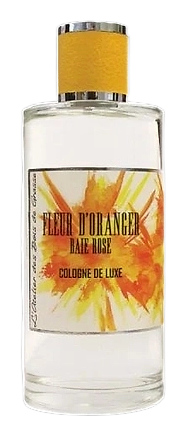
    Brand Profile

    L'Atelier des Bois de Grasse is a French niche perfume house that emerged in 2016 from the historic town of Grasse, the world’s oldest centr…More

    France·Est. 2016·Site

    4.3

    Rating

    5
    Fleur d'Oranger Baie Rose by L'Atelier des Bois de Grasse
    Best Seller
    4.3

    Fleur d'Oranger Baie Rose

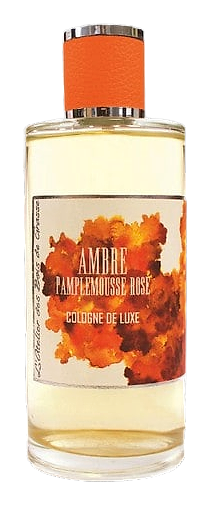
    Ambre Pamplemousse Rose by L'Atelier des Bois de Grasse
    Best Seller
    4.2

    Ambre Pamplemousse Rose

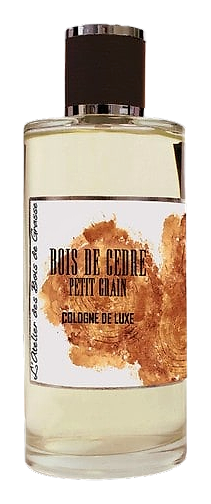
    Bois de Cedre Petitgrain by L'Atelier des Bois de Grasse
    Best Seller
    4.2

    Bois de Cedre Petitgrain

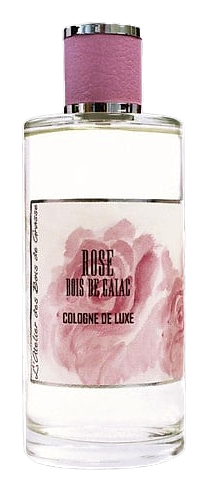
    Rose Bois de Gaiac by L'Atelier des Bois de Grasse
    4.1

    Rose Bois de Gaiac

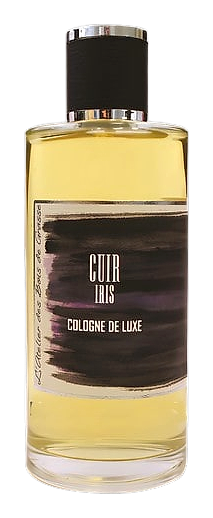
    Cuir Iris by L'Atelier des Bois de Grasse
    3.9

    Cuir Iris

    Haltane by Parfums de Marly
    Coming Soon

    Haltane

    Parfums de Marly

    The Heritage

    The Story of L'Atelier des Bois de Grasse

    L'Atelier des Bois de Grasse is a French niche perfume house that emerged in 2016 from the historic town of Grasse, the world’s oldest centre of fragrance creation. The brand belongs to the Group Arthes and presents a compact catalogue that draws on the region’s botanical wealth. Its scents, such as Ambre Pamplemousse Rose and Cuir Iris, aim to translate the scent‑filled streets of Grasse into modern, wearable compositions. The house positions itself as a quiet laboratory where tradition meets contemporary sensibility, offering collectors a focused yet evolving olfactory experience.

    Heritage

    Grasse’s perfume legacy stretches back to the 16th century, when local growers first extracted essential oils from jasmine, rose and orange blossom to scent leather gloves. By the late 19th century the town had adopted synthetic aromachemicals, creating a hybrid craft that still defines the region. In this fertile environment L'Atelier des Bois de Grasse was launched in 2016, according to Fragrantica, as a niche label under the umbrella of Group Arthes. The founders chose a name that evokes the traditional workshops (ateliers) where wood‑based ingredients such as cedar, guaiac and oak are processed. The inaugural collection introduced five fragrances, all released in the same year, each built around a single botanical focus and a clear structural narrative. Within two years the brand secured a modest showroom in Grasse’s historic perfume quarter, allowing visitors to experience the scents alongside the town’s famous perfume museums. In 2019 the house announced a partnership with local growers to source raw materials directly from Provençal farms, reinforcing its commitment to terroir. A 2021 update highlighted the shift to recyclable aluminium caps and glass bottles made from post‑consumer waste, reflecting a growing industry emphasis on sustainability. By 2023 L'Atelier des Bois de Grasse had entered selected international boutiques, bringing its Grasse‑rooted perspective to a broader audience while maintaining a limited‑edition production model. Throughout its brief history the house has remained anchored in the town’s centuries‑old practices, using copper stills and hand‑blending techniques that echo the methods of Grasse’s early perfumers.

    Craftsmanship

    Production takes place in a small workshop on the outskirts of Grasse, where master blenders work with both natural extracts and a curated selection of synthetics. Raw materials arrive from Provençal farms that grow roses, orange blossoms, cedar and guaiac under the Mediterranean sun. The house employs steam distillation for delicate flowers, preserving their volatile top notes, while resinous woods are processed through cold‑press extraction to retain depth. A historic copper still, dating back to the early 20th century, is used for maceration of heavier ingredients, a practice that adds a subtle oxidative nuance to the base. After extraction, the perfumers blend the components by hand, measuring each drop with a graduated pipette to achieve the intended balance. The mixtures mature in stainless‑steel vats for several weeks, allowing the layers to integrate fully. Quality checks include gas‑chromatography analysis to verify the concentration of key aroma molecules and sensory panels that evaluate the scent’s evolution over time. Bottling occurs on a dedicated line that rinses each glass vessel with ethanol before filling, ensuring no residue contaminates the perfume. The final product is sealed with aluminium caps that are 100 % recyclable, and the outer boxes are printed on FSC‑certified paper. This combination of traditional techniques and modern quality standards reflects the house’s commitment to craftsmanship rooted in Grasse’s heritage.

    Design Language

    Visually, L'Atelier des Bois de Grasse adopts a restrained palette that mirrors the natural colours of its ingredients. Bottles are crafted from clear glass with a thin, matte‑finished aluminium cap, allowing the perfume’s hue to become the focal point. The label features a simple serif typeface and a subtle illustration of a wooden workshop, reinforcing the brand’s name. Packaging boxes are off‑white with a textured finish that evokes the bark of a cedar tree; a thin gold foil line runs along the edge, adding a quiet touch of elegance without overwhelming the design. The overall image is one of understated sophistication, inviting the consumer to explore the scent rather than the logo. In retail settings the brand displays its products on reclaimed wooden shelves, surrounded by dried botanical specimens that echo the fragrance ingredients. This cohesive visual language supports the narrative of a workshop where nature and craft meet, and it aligns with the minimalist aesthetic favored by many contemporary niche houses.

    Philosophy

    The brand’s creative outlook centres on the idea that a scent should tell a place‑specific story without relying on overt branding. L'Atelier des Bois de Grasse treats each ingredient as a character, allowing the natural texture of a rose petal or a cedar branch to shape the composition. Transparency is a core value; the house publishes the botanical percentages for each fragrance and indicates the origin of the raw material whenever possible. Rather than chasing trend cycles, the creators favour timeless accords that can evolve with the wearer’s skin over years. Sustainability informs every decision, from selecting growers who practice low‑impact agriculture to choosing packaging that can be recycled or refilled. The label also embraces a modest scale, believing that limited production encourages careful quality control and preserves the intimacy of the creative process. In interviews, the team has spoken about listening to the “whispers of the fields” around Grasse, letting the local climate and soil influence the final scent profile. This philosophy aligns with a broader movement among French niche houses that prioritize authenticity over mass appeal.

    Key Milestones

    2016

    L'Atelier des Bois de Grasse founded under Group Arthes and launches its first five fragrances.

    2017

    Brand opens a small showroom in Grasse’s historic perfume district, offering direct tasting sessions.

    2019

    Partnership established with local Provençal growers to source roses, cedar and guaiac directly from the fields.

    2021

    Introduces recyclable aluminium caps and glass bottles made from post‑consumer waste, marking a sustainability milestone.

    2023

    Select international boutiques begin carrying the line, expanding the brand’s presence beyond France.

    At a Glance

    Brand profile snapshot

    Origin

    France

    Founded

    2016

    Heritage

    10

    Years active

    Collection

    1

    Fragrances released

    Avg Rating

    4.3

    Community sentiment

    latelierdesboisdegrasse.com

    Did You Know?

    Interesting Facts

    Distinctive details and defining moments that shape the house personality.

    01

    The name references a traditional wood workshop (atelier) that historically processed cedar and guaiac for perfume bases.

    02

    Each fragrance contains at least one ingredient harvested from a specific Grasse‑area farm, linking the scent to a precise terroir.

    03

    The copper still used for maceration was acquired from a defunct perfume house and dates back to the early 1900s.

    04

    Production is limited to roughly 3,000 bottles per scent each year, preserving exclusivity and allowing tight quality control.

    05

    Packaging design incorporates reclaimed wood from old perfume factories, giving each box a unique grain pattern.