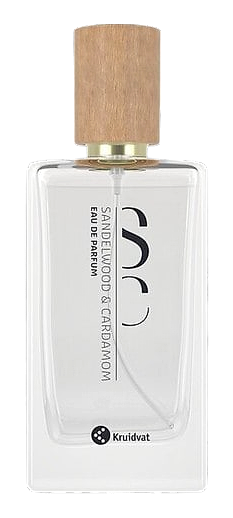







Heritage
A house, in its own words
Kruidvat was established in September 1975 by entrepreneur Dick Siebrand in partnership with Co de Rijcke, emerging as the Netherlands' first discount drugstore chain at a time when the Dutch retail landscape was dominated by traditional pharmacies and specialty shops. The founders identified an opportunity to offer pharmaceuticals, personal care products, and household goods at significantly lower prices than established competitors, a model that resonated immediately with Dutch consumers navigating economic pressures of the mid-1970s. The company took its name from the Dutch words for pharmacy (kruidvat literally translates to spice jar or apothecary), signaling its positioning as an accessible alternative to traditional dispensing chemists. Throughout the 1980s and 1990s, Kruidvat expanded steadily across the Netherlands, building a network of stores that prioritized convenience, value, and broad product assortments over the personalized service of independent pharmacies. The chain's growth attracted the attention of A.S. Watson Group, a Hong Kong-based health and beauty conglomerate that has assembled an impressive portfolio of retail brands across Europe and Asia. Under A.S. Watson ownership, Kruidvat gained access to international sourcing networks and operational expertise that further strengthened its competitive position. The brand operates under the same corporate umbrella as ICI Paris XL, one of the Netherlands' largest perfumery chains, creating interesting synergies in the fragrance category. Kruidvat's expansion into private-label fragrances represents a natural extension of its core retail model, applying the same value proposition that defined the original business to a category historically associated with higher price points. The philosophy underlying Kruidvat's fragrance line reflects the same principles that have guided the broader business since 1975: making products accessible to a wide audience without requiring compromises on quality or variety. Where traditional perfumery often positions scents as luxury goods with elaborate marketing narratives, Kruidvat approaches fragrance as a practical consumer product that should be within reach of ordinary households. This democratizing impulse shapes every aspect of the collection, from pricing to distribution to the range of scent profiles offered. The brand does not claim to pursue artistic innovation or artisanal craftsmanship in perfumery; instead, the focus rests on producing reliable, pleasant fragrances that serve identifiable purposes in customers' daily routines. Scents like Time to Relax and Feel the Energy explicitly frame fragrance as an element of personal wellbeing, inviting consumers to select scents that match their moods or intentions rather than adhering to seasonal release cycles or fashion-forward positioning. This functional approach to fragrance reflects a broader cultural shift toward mindful consumption, where value and utility matter more than status signaling. Kruidvat's philosophy accepts that not every fragrance buyer seeks an intensely personal olfactory signature; some customers simply want an affordable, pleasant scent that smells good and makes them feel comfortable throughout the day.