The Heritage
The Story of Kate Spade
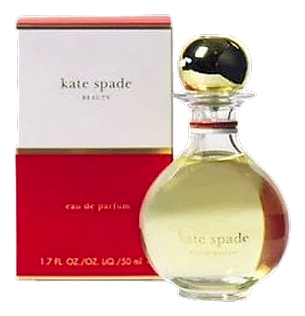
Kate Spade New York started as a handbag label in 1993 and has expanded into a global lifestyle brand that includes a modest fragrance collection. The scents echo the house’s love of bright color and its iconic spade motif, ranging from the original 2003 Kate Spade Eau de Parfum to the 2023 Chérie release. Each bottle presents a light‑hearted visual style while meeting the standards of a licensed perfume house.
Heritage
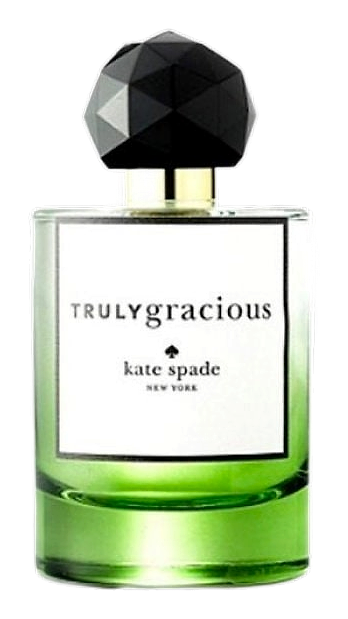
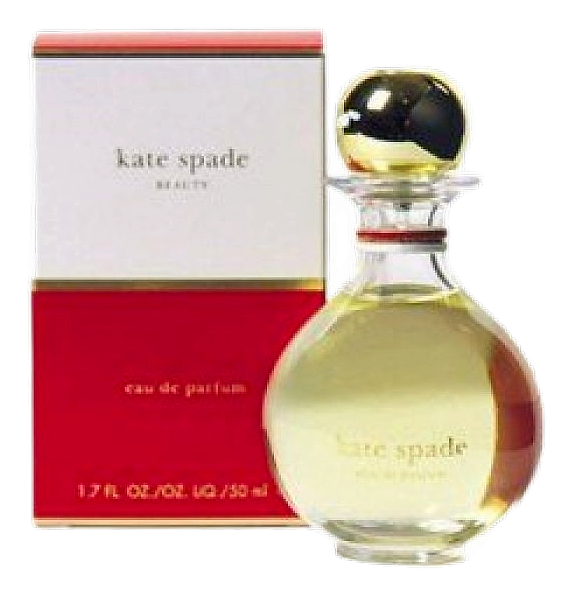
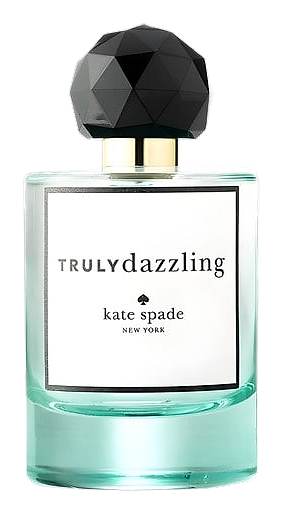
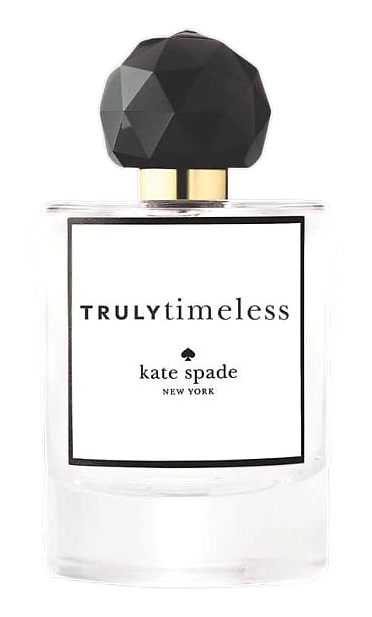
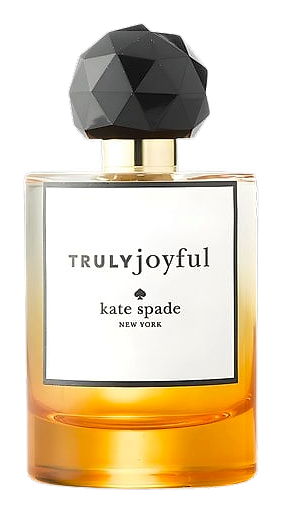
Kate Spade New York was founded in January 1993 by Kate and Andy Spade, together with Elyse Arons and Pamela Bell. The first season offered six handbag styles that combined classic shapes with vivid hues, a formula that quickly attracted a youthful, urban clientele. By the early 2000s the brand had broadened into apparel, accessories, and home goods, positioning itself as a full‑range lifestyle label. In 2003 the house entered the fragrance market with the eponymous Kate Spade perfume, a floral‑citrus composition that was later discontinued and replaced by a series of seasonal scents. The 2013 launch of Live Colorfully Gold marked a limited‑edition approach, emphasizing metallic accents that matched the brand’s visual language. In 2017 the TRULY line debuted, offering a suite of scents—TRULYtimeless, TRULYgracious, TRULYjoyful, TRULYdazzling—each framed around a single emotional note. A pivotal shift occurred in 2019 when Interparfums acquired the fragrance license for Kate Spade New York, bringing the brand’s perfume development under the guidance of an experienced fragrance house. The partnership produced the 2020 Kate Spade New York fragrance, noted for its bergamot and citrus opening, followed by the 2022 Sparkle edition and the 2023 Chérie release. Throughout its evolution, the brand has maintained a focus on playful design, accessible luxury, and a consistent visual identity anchored by the spade logo.
Craftsmanship
Since 2019 the fragrance portfolio has been produced under license by Interparfums, a company that collaborates with established perfumers and adheres to EU and FDA cosmetic regulations. Formulations are created in professional fragrance houses, where raw materials are sourced from certified suppliers that meet sustainability and purity standards. Typical ingredients include natural extracts such as bergamot, orange blossom, and jasmine, blended with synthetics that provide stability and consistency across batches. Quality control involves analytical testing for concentration, volatility, and allergen content before a batch is approved for market release. Packaging components—glass bottles, aluminum caps, and printed boxes—are sourced from manufacturers that meet ISO 9001 quality management criteria. The brand’s limited‑edition releases, such as Live Colorfully Gold, often feature specialty finishes like metallic foiling, which are applied using controlled hot‑stamping processes to ensure uniformity. Interparfums also conducts stability studies to confirm that each fragrance retains its intended character over the typical three‑year shelf life expected of modern perfumes.
Design Language
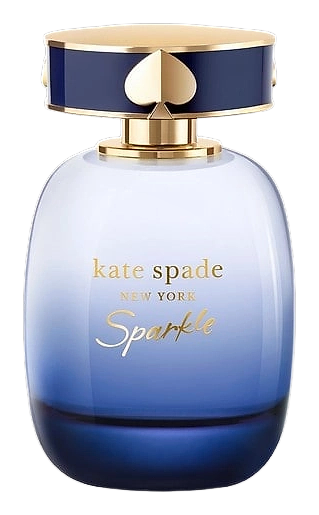
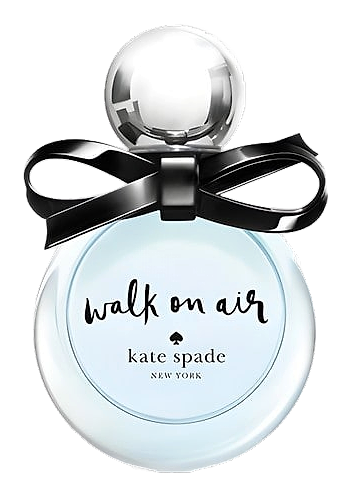
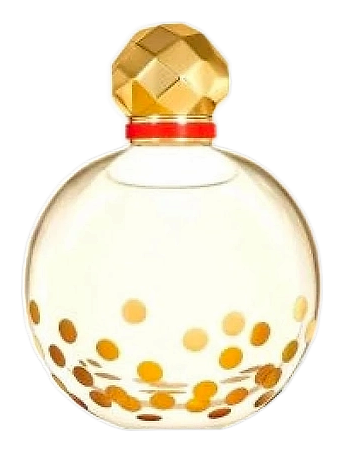
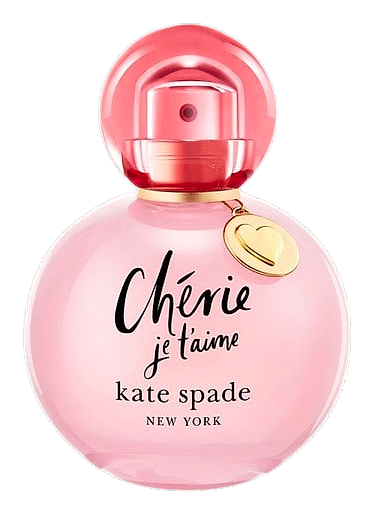
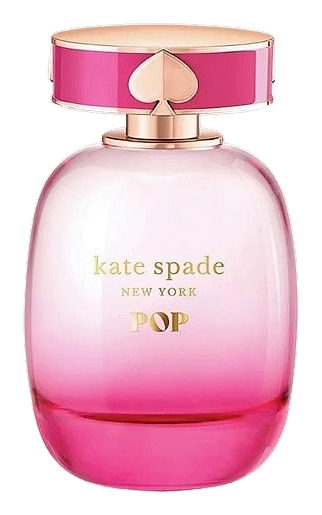
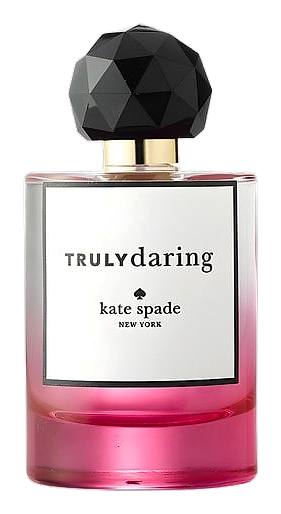
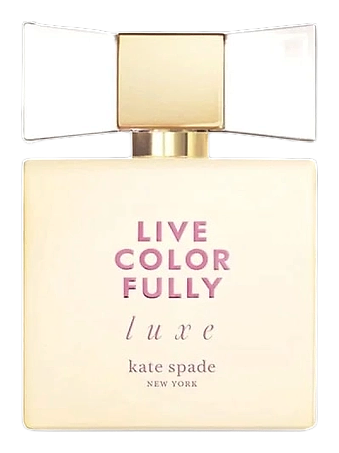
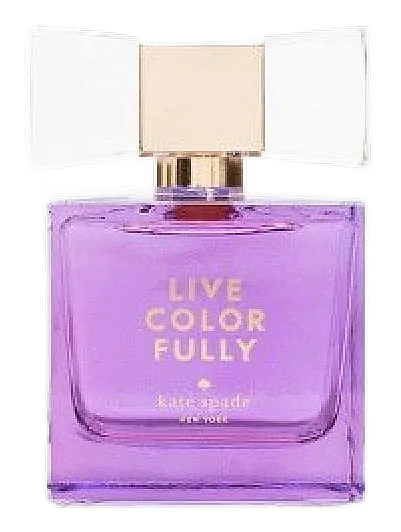
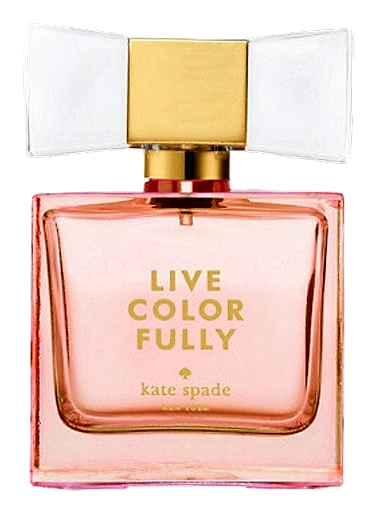
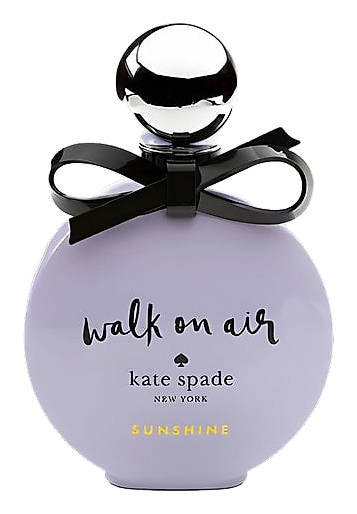
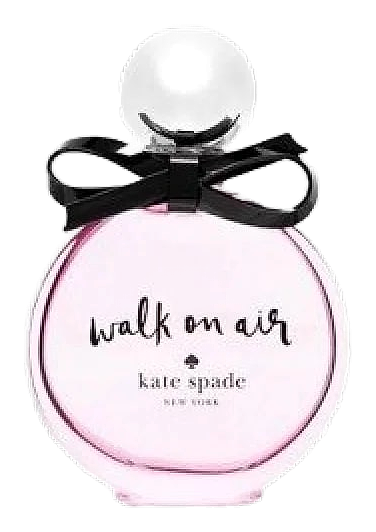
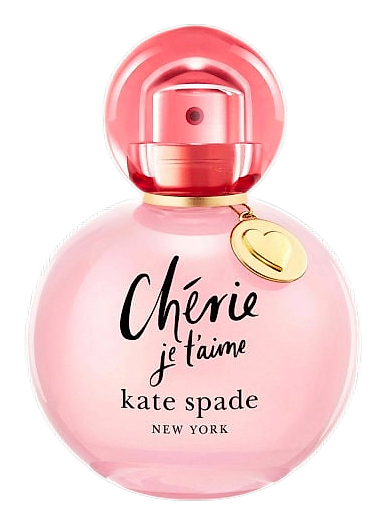
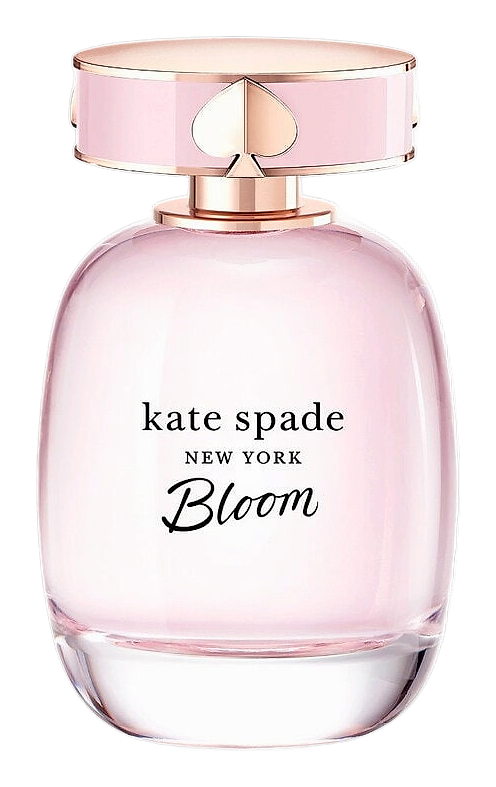
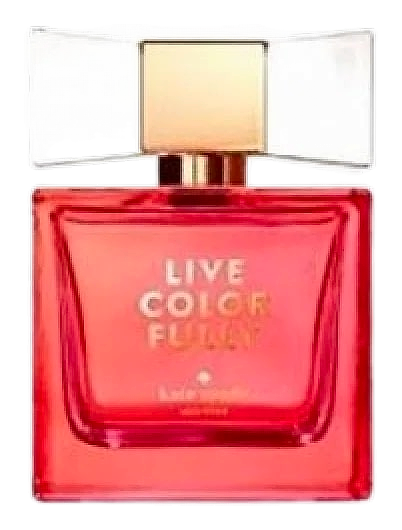
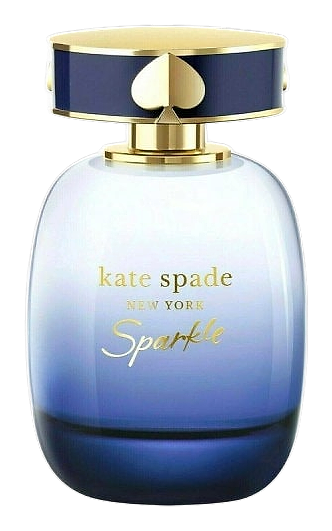
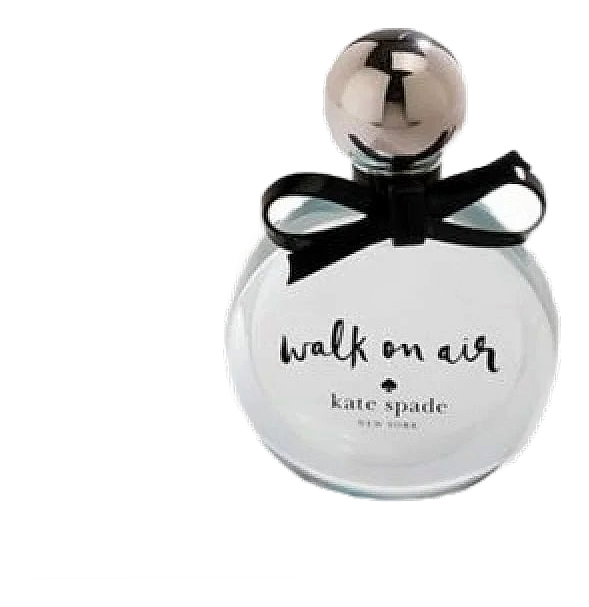
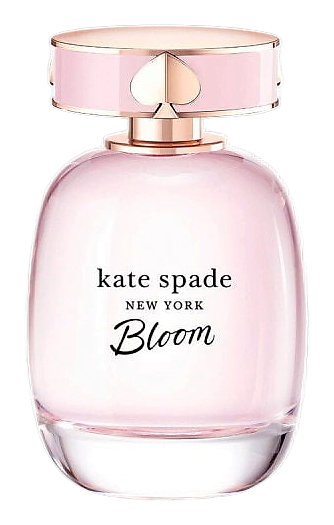
Kate Spade’s visual language centers on bold color blocks, playful typography, and the unmistakable spade emblem. Fragrance bottles echo this sensibility: the 2020 Kate Spade New York perfume arrives in a clear glass vessel with a soft pink gradient, capped by a brushed metal spade‑shaped lid. The 2022 Sparkle edition adds a glittering gold flake interior, while the 2023 Chérie features a pastel lilac bottle with a matte finish and a delicate silver spade charm attached to the neck. Box designs employ clean lines, often printed in contrasting white on a solid background that reflects the scent’s key hue—citrus yellow for the 2020 launch, rose pink for Chérie. The overall aesthetic balances a sense of youthful exuberance with a refined minimalism, allowing the scent’s character to stand out without visual clutter. Marketing imagery typically places the product against bright, monochrome backdrops, reinforcing the brand’s commitment to color as a narrative device.
Philosophy
The brand’s public statements describe a belief that "joy colors life," a principle that guides both product design and scent creation. In fragrance development, this translates to selecting bright, uplifting notes that evoke optimism rather than brooding intensity. The TRULY series, for example, pairs a single emotional concept with a streamlined olfactory structure, allowing the wearer to connect a scent with a feeling such as timelessness or graciousness. Kate Spade’s approach avoids heavy abstraction; instead, it favors clear storytelling, where a perfume’s name, note profile, and packaging all reference a specific mood or visual cue. The partnership with Interparfums brings technical expertise to the table, ensuring that the creative vision is realized within the regulatory frameworks of the United States and Europe. By aligning the brand’s playful aesthetic with a disciplined perfumery process, Kate Spade aims to deliver scents that feel both approachable and thoughtfully composed.

Key Milestones
1993
Kate Spade New York founded by Kate and Andy Spade, Elyse Arons, and Pamela Bell with six handbag styles.
2003
First fragrance, Kate Spade Eau de Parfum, launched, marking the brand’s entry into perfumery.
2017
TRULY line introduced, offering a series of single‑note focused scents.
2019
Interparfums acquired the fragrance license for Kate Spade New York.
2020
Kate Spade New York fragrance released, featuring bergamot and citrus top notes.
2022
Kate Spade New York Sparkle launched, adding a glitter‑infused bottle design.
At a Glance
Brand profile snapshot
Origin
United States
Founded
1993
Heritage
33
Years active
Collection
4
Fragrances released
Avg Rating
4.1
Community sentiment
Release Rhythm


