






Heritage
A house, in its own words
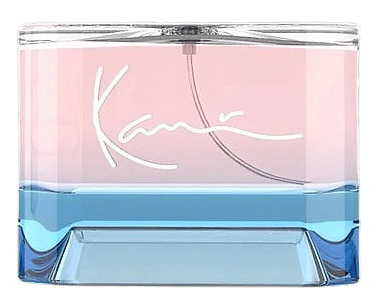
Carl Williams grew up in Brooklyn, watching his father and a Haitian tailor work in their neighborhood. He taught himself design and asked himself a simple question: can I become the Ralph Lauren of the streets? That question became the brand name itself, a play on can I that doubles as a motivational mantra. Williams moved to Los Angeles and launched Karl Kani in 1989, initially focusing on denim and logo-driven streetwear that resonated immediately with the emerging hip-hop scene. The brand quickly became the uniform of choice for artists like Tupac Shakur and was credited with bringing luxury aesthetics to urban fashion when such a thing barely existed. By 1993, Karl Kani operated as a U.S.-made brand before eventually shifting production overseas as the company scaled. The label's prominence in hip-hop culture made it one of the first streetwear brands to achieve mainstream commercial success, paving the way for the countless labels that followed. Over three decades later, Karl Kani remains active, having expanded into fragrance as part of a broader lifestyle product strategy that includes the original denim, contemporary streetwear, and now scent. The fragrance line launched with gender-specific offerings named Kani for Him and Kani For Her before expanding into city-themed releases and more playful, modern compositions. The Karl Kani fragrance philosophy centers on urban authenticity and aspirational storytelling. Each scent name references a place, feeling, or ambition tied to the brand's roots. Brooklyn Nights evokes the streets where founder Carl Williams first absorbed the craft of tailoring. New York City Goals speaks to the ambitions of a generation raised on hip-hop's promises. The line approaches fragrance as an extension of personal identity rather than a mere accessory, consistent with how streetwear became a form of self-expression for those who wore it. The brand maintains that fragrance, like fashion, should be attainable and culturally resonant rather than exclusionary. Rather than obscuring notes behind vague luxury language, Karl Kani perfumes tend toward bold, identifiable accords that signal their urban origins. The gender-neutral territory explored in later releases suggests a contemporary approach to scent that moves beyond traditional segmentation, appealing to consumers who see identity as fluid rather than categorical.