The Heritage
The Story of Jill Stuart
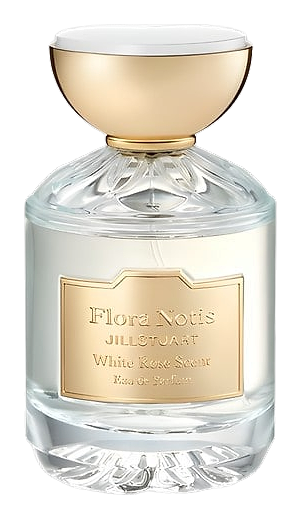
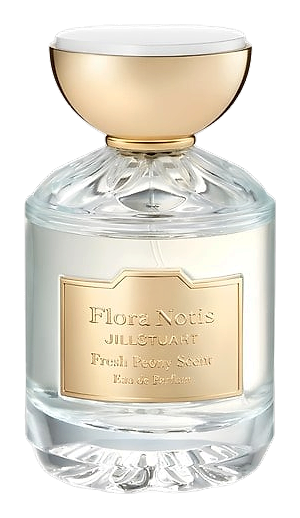
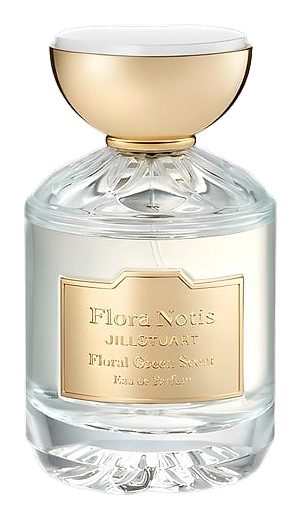
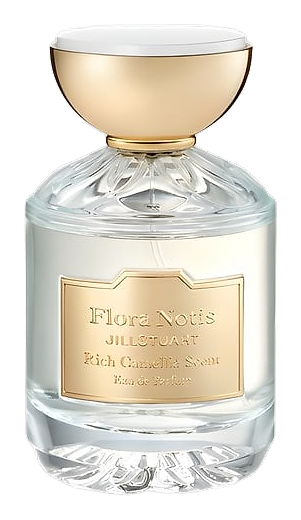
Jill Stuart began as a New York fashion label in 1993 and soon expanded into fragrance, creating a line of scents that echo the brand’s youthful, romantic aesthetic. The perfume portfolio includes floral‑centric releases such as Flora Notis White Rose (2018) and the citrus‑bright Jill Stuart Grapefruit & Bergamot (2015). Each fragrance is positioned alongside the brand’s makeup and skincare collections, offering a cohesive sensory experience for fans of the label’s signature pastel palette and playful elegance.
Heritage
Jill Stuart, an American fashion designer, launched her eponymous label in 1993 after graduating from the Parsons School of Design. The debut collection, presented in New York, emphasized soft colors, delicate fabrics, and a youthful sensibility that resonated with the city’s emerging trendsetters. In 2005 the brand opened a flagship boutique on SoHo’s Prince Street, a space that combined retail with a curated gallery of the designer’s accessories and early fragrance offerings. The same year the label introduced its first perfume, Night Blooming Lily, a floral composition that marked the start of a growing fragrance program. Over the next decade Jill Stuart released more than thirty scents, ranging from the bright citrus of Grapefruit & Bergamot (2015) to the seasonal Crystal Bloom series (2014 onward). The brand’s expansion into beauty was supported by partnerships with major retailers, allowing the fragrances to reach a broader audience while maintaining the designer’s original aesthetic. In 2018 the line added a series of hair mists, including Crystal Bloom Snow and Flora Notis Green, reflecting a trend toward multi‑product scent experiences. Throughout its history Jill Stuart has remained anchored in New York’s fashion district, drawing on the city’s energy to inform both runway collections and olfactory creations.
Craftsmanship
Jill Stuart’s fragrance production follows a conventional house‑perfume model, contracting established perfumers to formulate each scent while the brand retains creative direction. Ingredients are sourced from traditional suppliers in France, Italy and the United States, with an emphasis on natural extracts for floral notes such as rose, lily and jasmine. The 2005 Night Blooming Lily, for example, combines Bulgarian rose oil with Japanese lily absolute, a pairing documented in fragrance databases. Quality control is performed at the manufacturing facilities of partner labs that meet ISO 9001 standards, ensuring batch consistency across the brand’s global distribution. In recent years the label has introduced limited‑edition hair mists that use a lighter concentration of fragrance oils (approximately 3 % versus the typical 15 % in eau de toilette), allowing the scent to linger without overwhelming the hair. Packaging materials have gradually incorporated recycled plastics and glass, aligning with the brand’s stated move toward more sustainable practices. Each bottle is hand‑filled in a controlled environment, and the final product undergoes stability testing to verify scent integrity over a twelve‑month period.
Design Language
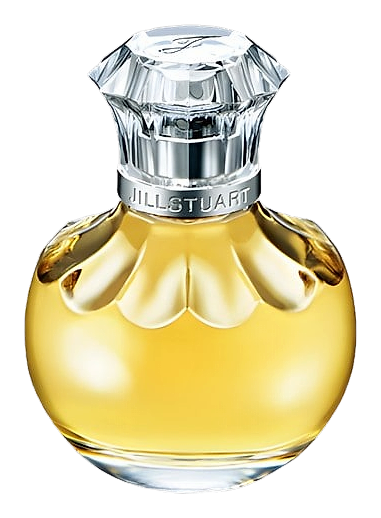
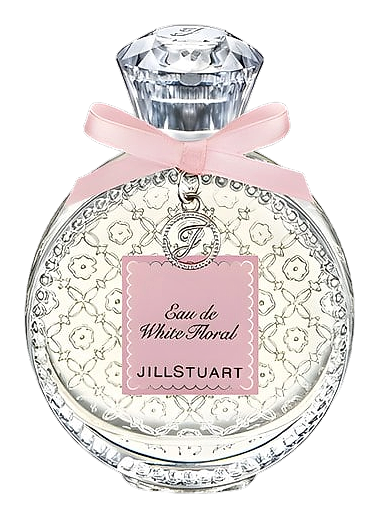
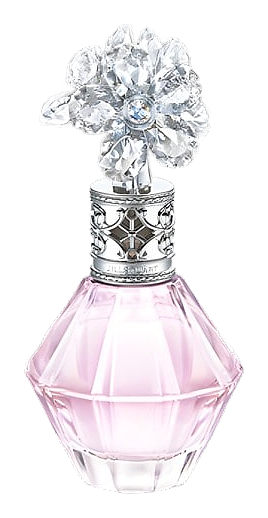
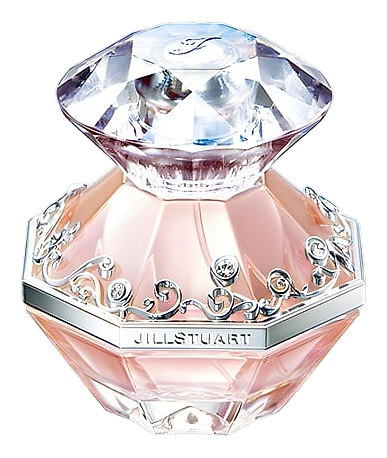
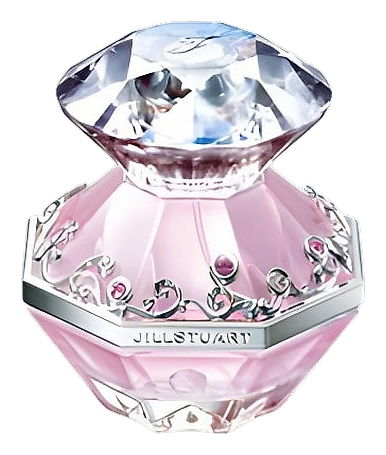
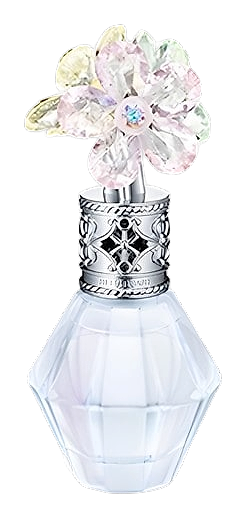
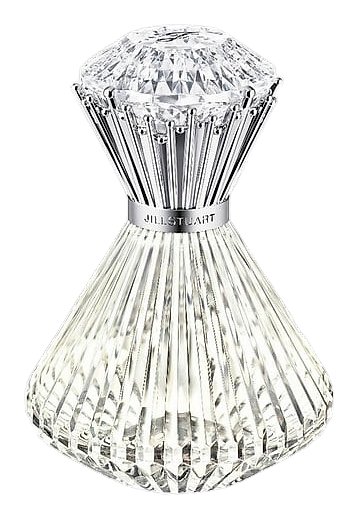
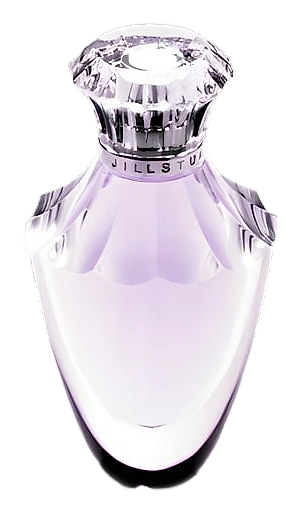
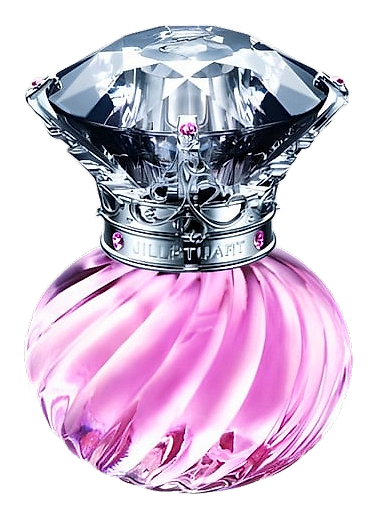
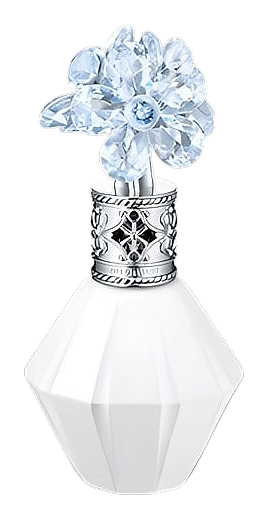
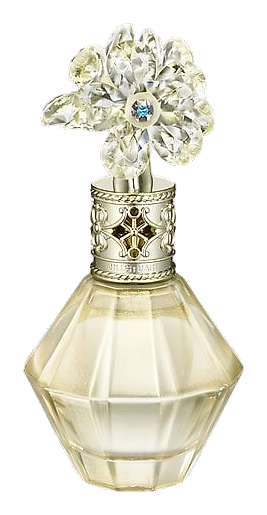
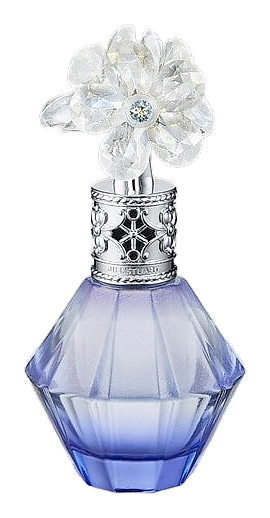
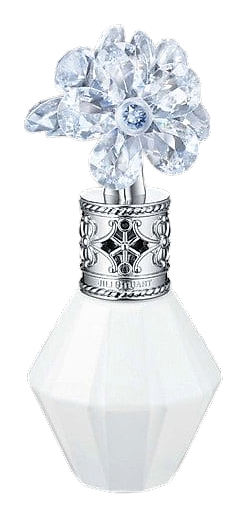
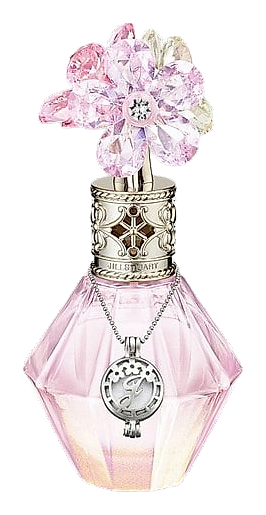
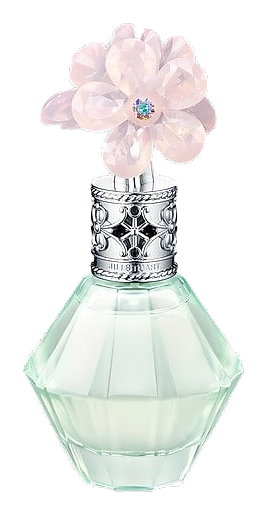
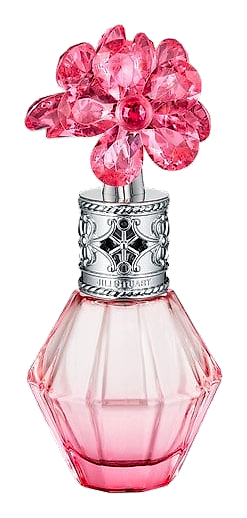
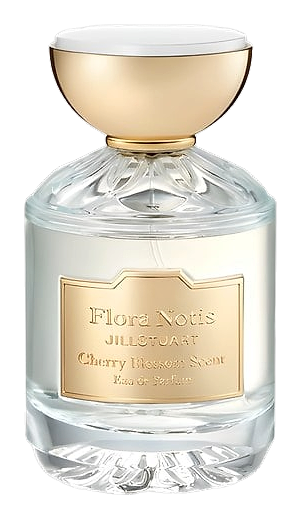
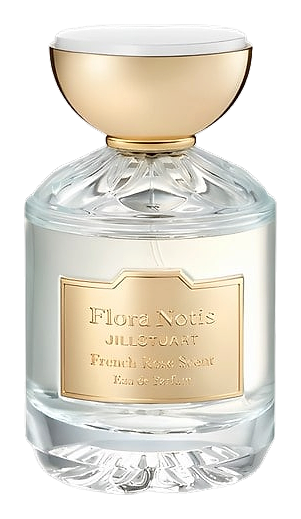
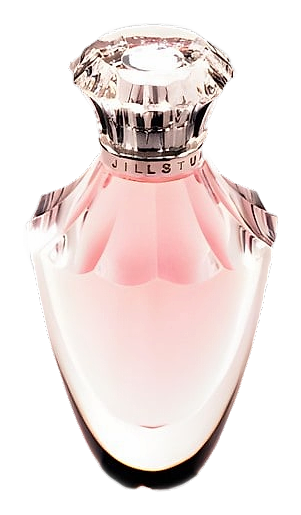
Visually, Jill Stuart embraces a pastel‑driven palette that mirrors the softness of its fragrance notes. Bottle designs often feature clear glass with a subtle frosted finish, capped by a pastel‑colored spray top that matches the corresponding makeup line. The Crystal Bloom series, launched in 2014, introduced a minimalist silhouette with a smooth, rounded body and a soft‑blue or pink cap, reinforcing the brand’s emphasis on serenity and femininity. Marketing imagery frequently showcases the scents alongside the label’s signature fashion pieces—flowing dresses, delicate jewelry, and airy interiors—creating a cohesive narrative across product categories. Store interiors in SoHo and other flagship locations echo this aesthetic, with pastel walls, marble countertops, and curated displays that blend fragrance testers with makeup palettes. The overall visual language aims to evoke a sense of gentle luxury without overt opulence, positioning the brand as approachable yet refined.
Philosophy
The creative vision at Jill Stuart centers on a blend of nostalgia and contemporary playfulness. The brand describes its approach as a celebration of youthful femininity, using soft pastel tones and botanical motifs as visual cues that translate into scent narratives. Rather than chasing fleeting trends, the design team references classic floral structures and simple citrus accords, aiming for compositions that feel both familiar and fresh. Sustainability appears in the brand’s recent statements, noting a shift toward responsibly sourced ingredients for newer releases such as Crystal Bloom Something Pure Blue (2020). The fragrance development process involves close collaboration between the designer’s studio and external perfumers, ensuring that each scent reflects the label’s color story and seasonal collections. This alignment of visual and olfactory language seeks to create a seamless brand experience, where a perfume can be recognized as an extension of a runway look or a makeup palette.

Key Milestones
1993
Jill Stuart launches her first fashion collection in New York, establishing the brand’s signature pastel aesthetic.
2005
Opening of the SoHo flagship boutique; debut of the first fragrance, Night Blooming Lily.
2007
Release of the eponymous Jill by Jill Stuart eau de toilette, a floral fragrance that later discontinued.
2014
Introduction of the Crystal Bloom fragrance line, expanding the brand’s scent portfolio.
2018
Launch of multiple hair mist variants, including Crystal Bloom Snow and Flora Notis White Rose, reflecting a multi‑product scent strategy.
2020
Release of Crystal Bloom Something Pure Blue, highlighting a shift toward responsibly sourced ingredients.
At a Glance
Brand profile snapshot
Origin
United States
Founded
1993
Heritage
33
Years active
Collection
1
Fragrances released
Avg Rating
4.3
Community sentiment
Release Rhythm


